
Colin Kaepernick Reflects on Protest a Decade Later: ‘I Would Do It Again’
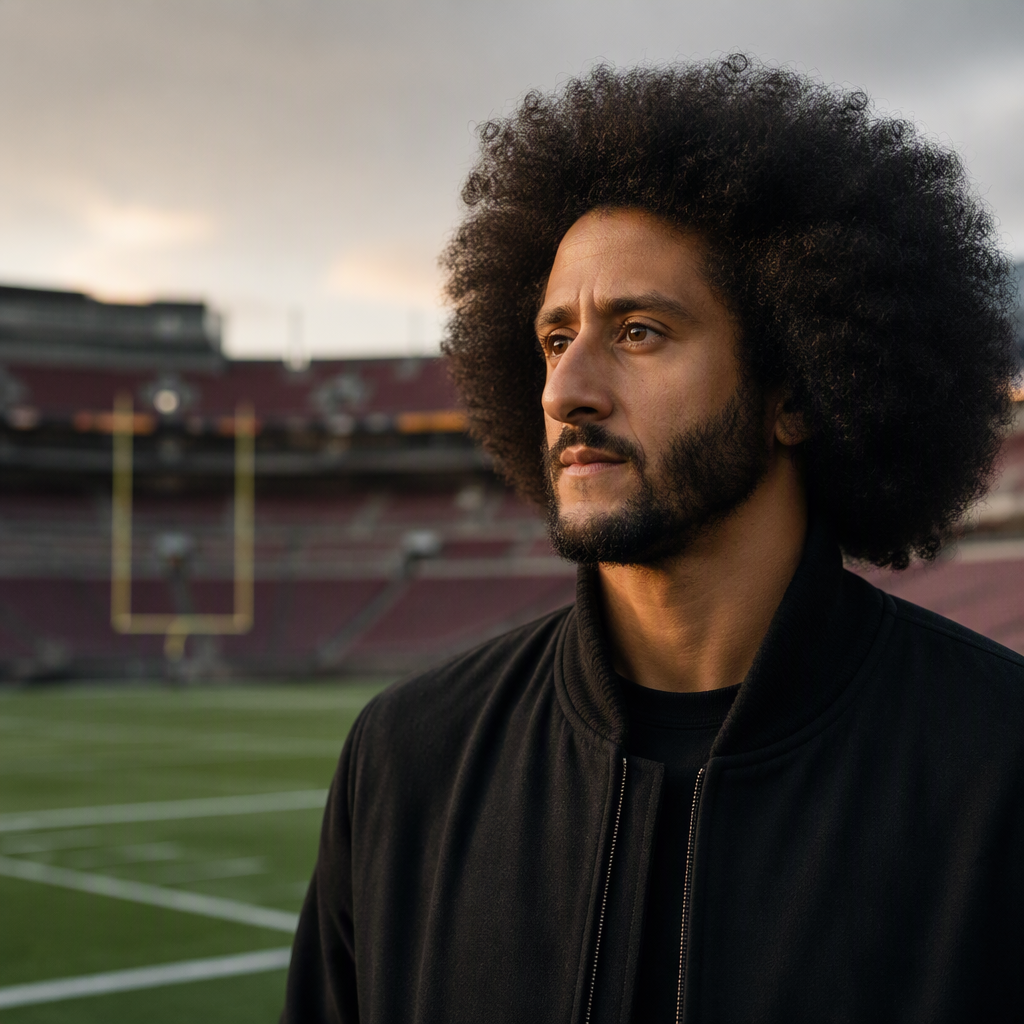
Former NFL quarterback and civil rights activist Colin Kaepernick says he has no regrets about his decision to take a knee during the national anthem, affirming in recent reflections that “I would do it again” despite the severe personal and professional costs. The Colin Kaepernick protest, which began in 2016, transformed American sports culture, ignited fierce national debate, and ultimately cost the former San Francisco 49ers star his football career.
Nearly ten years after first sitting and then kneeling during “The Star-Spangled Banner” to protest racial injustice and police brutality, Kaepernick remains resolute in his conviction. His actions catalyzed an unprecedented wave of athlete activism across global sports while drawing sharp condemnation from political figures, league executives, and traditionalist fans.
Also read: NFL Star’s Biggest Dating Red Flags Are His Unusual Eating Habits, Teammate’s Wife Says
The Genesis and Cost of the Colin Kaepernick Protest
In August 2016, during an NFL preseason game, Kaepernick initially remained seated on the bench during the pregame anthem. After speaking with former NFL player and U.S. military veteran Nate Boyer, Kaepernick chose to take a knee instead, aiming to express dissent while maintaining respect for service members.
“I am not going to stand up to show pride in a flag for a country that oppresses Black people and people of color,” Kaepernick said at the time. “To me, this is bigger than football, and it would be selfish on my part to look the other way.”
The gesture rapidly spread throughout the league and into other sports, but the backlash was immediate. Kaepernick opted out of his contract with the 49ers following the 2016 season and never played another down in the NFL. Despite compiling a career passer rating of 88.9 and leading San Francisco to Super Bowl XLVII, he remained unsigned, leading him to file a grievance against team owners alleging collusion. The grievance was settled confidentially in 2019.
Standing Firm Against Professional Blacklisting
Looking back across the decade, Kaepernick acknowledged the immense professional void created by his blacklisting from the league. However, he emphasized that moral clarity outweighed athletic achievement. His statement, “I would do it again,” underlines his commitment to systemic change over personal comfort.
“The price was heavy, but the purpose was greater,” Kaepernick noted in his reflections. Rather than fading from public view, he channeled his energy into community organizing, education, and civil rights advocacy.
Through the Know Your Rights Camp, founded by Kaepernick, thousands of underprivileged youth have received education on legal rights, financial literacy, and community defense. Kaepernick also founded an independent publishing imprint and partnered with major cultural platforms to elevate marginalized voices.
A Transformed Cultural Landscape
A decade removed from Kaepernick’s initial protest, the intersection of sports, politics, and social justice looks radically different. In 2020, following the murder of George Floyd, NFL Commissioner Roger Goodell formally apologized on behalf of the league for failing to listen to players earlier regarding racial injustice.
While the league never explicitly apologized to Kaepernick by name, his stance has been widely re-evaluated by historians, sociologists, and fellow athletes as a defining moment in modern civil rights history, drawing comparisons to Muhammad Ali and the 1968 Olympic podium protest by Tommie Smith and John Carlos.
What Happens Next
Kaepernick continues to maintain his training regimen, though at 37, a return to the field remains statistically and practically unlikely. Instead, his focus remains firmly on expanding grassroots initiatives, media projects, and philanthropic support for criminal justice reform.
The enduring legacy of the Colin Kaepernick protest serves as a permanent benchmark for athlete activism, demonstrating how a silent, peaceful gesture can reshape societal conversations on racial equality and the real cost of dissent.