
Digging Deep to Help Farmers: New Initiatives Target Soil Health and Financial Relief
Agricultural agencies, research institutions, and policymakers around the world are expanding resources and rolling out targeted programs to help farmers navigate severe weather volatility, rising production costs, and persistent drought conditions. By combining direct financial assistance with modern soil conservation techniques, stakeholders are looking beneath the surface to secure the future of global food production.
Addressing Mounting Pressures on the Agricultural Sector
Growers and livestock producers have encountered compounding challenges over the past several seasons. Extreme climate events, including prolonged dry spells, flash floods, and unseasonable temperature swings, have directly affected crop yields. At the same time, volatile prices for fuel, fertilizer, and equipment have compressed profit margins for small and medium-sized family operations.
Also read: Trump Touts Help Given to Farmers in Texas as Midterm Campaign Heats Up
Industry analysts emphasize that traditional disaster recovery measures are no longer sufficient on their own. Instead, broader, systemic strategies are required to keep rural economies stable while protecting primary food supply chains from ongoing disruption.
Targeted Investments to Help Farmers Build Resilience
Recent policy announcements reflect an intentional shift toward preventative aid. Rather than solely offering post-disaster compensation, government bodies and agricultural non-profits are actively funding proactive measures designed to help farmers adopt resilient practices.
These support mechanisms include low-interest loan programs, conservation grants, and subsidized crop insurance enhancements. Funding tracks prioritize farms adopting practices that decrease reliance on expensive synthetic inputs and build long-term operational resilience.
In addition to monetary aid, several regional programs are providing localized agronomic training. Agricultural extension agents are working directly with producers to implement individualized land management plans tailored to regional soil compositions and microclimates.
Innovations in Soil Science and Water Conservation
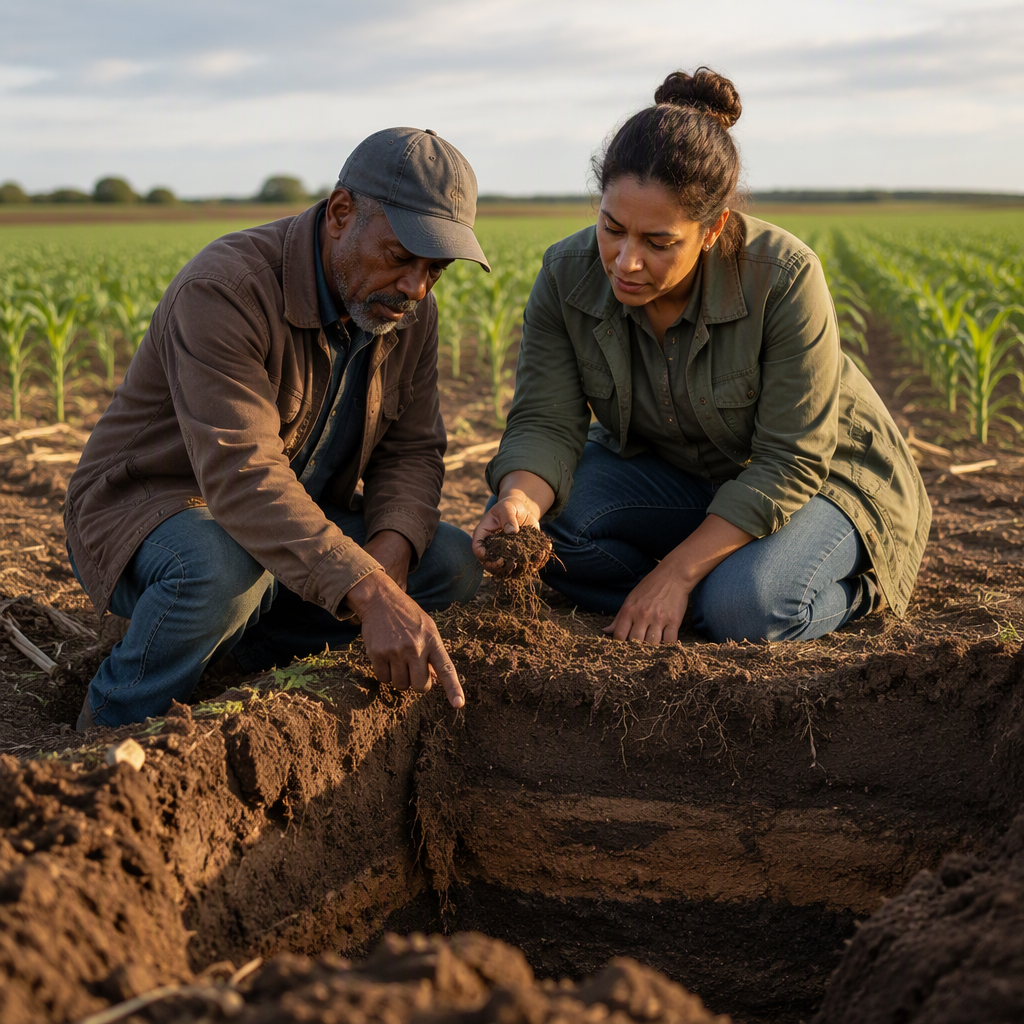
A key focus of current agricultural support is literally centered beneath the ground. Modern agronomists are working with growers to evaluate subsoil biology, moisture retention, and root development to ensure sustainable output.
Key practices gaining widespread traction through subsidized initiatives include:
- Cover Cropping: Planting non-commercial crops during fallow seasons to prevent erosion, enhance soil organic matter, and suppress weeds naturally.
- Conservation Tillage: Reducing or eliminating traditional plowing to maintain soil structure and prevent water evaporation.
- Precision Irrigation: Utilizing soil moisture probes and telemetry to apply water precisely when and where plant root systems require it.
Field data consistently demonstrates that healthier soil absorbs more rainwater, buffers crops against extreme heat, and stores higher levels of carbon, offering simultaneous ecological and economic benefits.
What Happens Next
The coming months will see the implementation of expanded pilot programs across key agricultural regions. Regulatory bodies are expected to monitor soil health indicators and economic benchmarks to assess the efficacy of these programs.
Meanwhile, agricultural coalitions continue to lobby for streamlined administrative processes, arguing that emergency funding and conservation technical support must reach growers without prohibitive paperwork or lengthy delays.
Conclusion
As environmental and economic challenges intensify, collaborative efforts between researchers, policymakers, and local communities are digging deep to help farmers safeguard their livelihoods and land. Sustainable investments in soil health, modern infrastructure, and direct financial aid will remain vital to securing a stable agricultural landscape for generations to come.