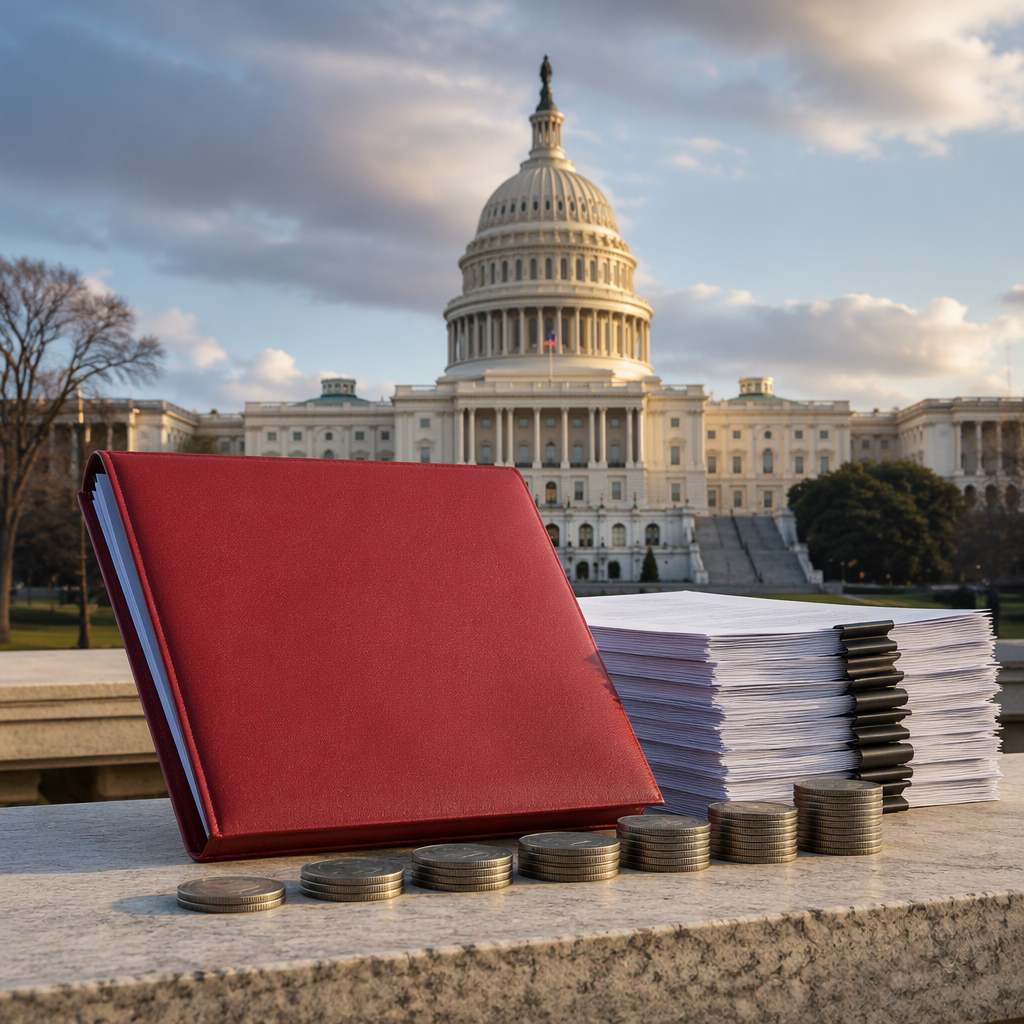

WASHINGTON — As congressional campaigns kick into high gear across the country, a fresh GOP $100B talking point has emerged at the center of the Republican messaging strategy to win back or expand control on Capitol Hill. Republican strategists and party leaders are zeroing in on a headline-grabbing $100 billion federal expenditure benchmark, using it as an economic cudgel to criticize Democratic fiscal governance and rally conservative and moderate voters.
With razor-thin margins in both the House of Representatives and the Senate, every campaign narrative carries immense weight. The focus on this twelve-figure sum reflects an intentional effort by Republican leadership to distill complex budgetary debates into a concise, memorable figure that resonates with voters frustrated by inflation, elevated interest rates, and national debt levels.
Also read: Former GOP Governor Running for Congress Vows Fight Against Far-Left Socialists
How the New GOP $100B Talking Point Fits into Campaign Strategy
Congressional leadership unveiled the targeted talking point during recent closed-door strategy briefings, positioning the $100 billion figure as tangible evidence of what they describe as runaway federal spending. Republican candidates in key battleground districts have begun incorporating the figure into stump speeches, digital ad buys, and fundraising appeals.
The messaging focuses primarily on discretionary spending, unspent agency allocations, and legislative riders passed during recent budget reconciliations. By isolating a specific $100 billion tranche, party communications directors aim to present voters with a concrete benchmark of potential savings rather than abstract trillions that often fail to move voter sentiment.
“Voters understand numbers when you put them in perspective,” one senior Republican strategist noted. “When families are cutting their own household budgets, seeing billions allocated without rigorous oversight creates a very stark contrast.”
Key Battlegrounds and Electoral Stakes
The rollout arrives at a pivotal juncture as both parties position themselves for a fierce legislative season. With the balance of power on Capitol Hill likely decided in fewer than three dozen competitive House seats and a handful of Senate races, fiscal discipline remains one of the few issues capable of swaying independent suburban voters.
GOP campaign committees are already deploying the narrative across several critical areas:
- Suburban districts: Focusing on how federal fiscal policy impacts consumer costs and mortgage interest rates.
- Competitive Senate races: Highlighting floor votes where incumbent lawmakers supported measures tied to the contested funding packages.
- Local economic forums: Framing the $100 billion benchmark as capital that could have stayed in local economies rather than federal administrative pipelines.
Democrats Push Back on Economic Claims
Democratic lawmakers and campaign strategists have quickly rejected the talking point, calling it a politically motivated and misleading characterization of necessary federal investments. Party leaders argue that the funds Republicans cite support critical infrastructure upgrades, domestic manufacturing incentives, and essential veteran services.
“Every election cycle, we see the same playbook: take a large aggregate number completely out of context to manufacture outrage,” a spokesperson for the Democratic Congressional Campaign Committee stated. “These programs provide direct benefits to American communities, small businesses, and public safety.”
Budget analysts also caution that reducing large federal allocations without legislative offsets can create unintended gaps in public agency operations, setting up a sharp policy dispute between both parties ahead of upcoming appropriations deadlines.
What Happens Next
The messaging clash is set to intensify over the coming weeks as congressional committees convene for high-stakes hearings and markup sessions. Lawmakers must navigate looming budget deadlines and contentious spending negotiations before the general election.
Voters can expect to see the talking point featured prominently in upcoming debate stages and across national television advertising. Whether the critique succeeds in shifting swing voters toward the Republican column remains to be seen, but party leadership has made clear that fiscal restraint will remain their primary rallying cry.
As both parties prepare their closing arguments, the GOP $100B talking point will likely serve as a cornerstone of the conservative fiscal platform in the defining battle for Congress.