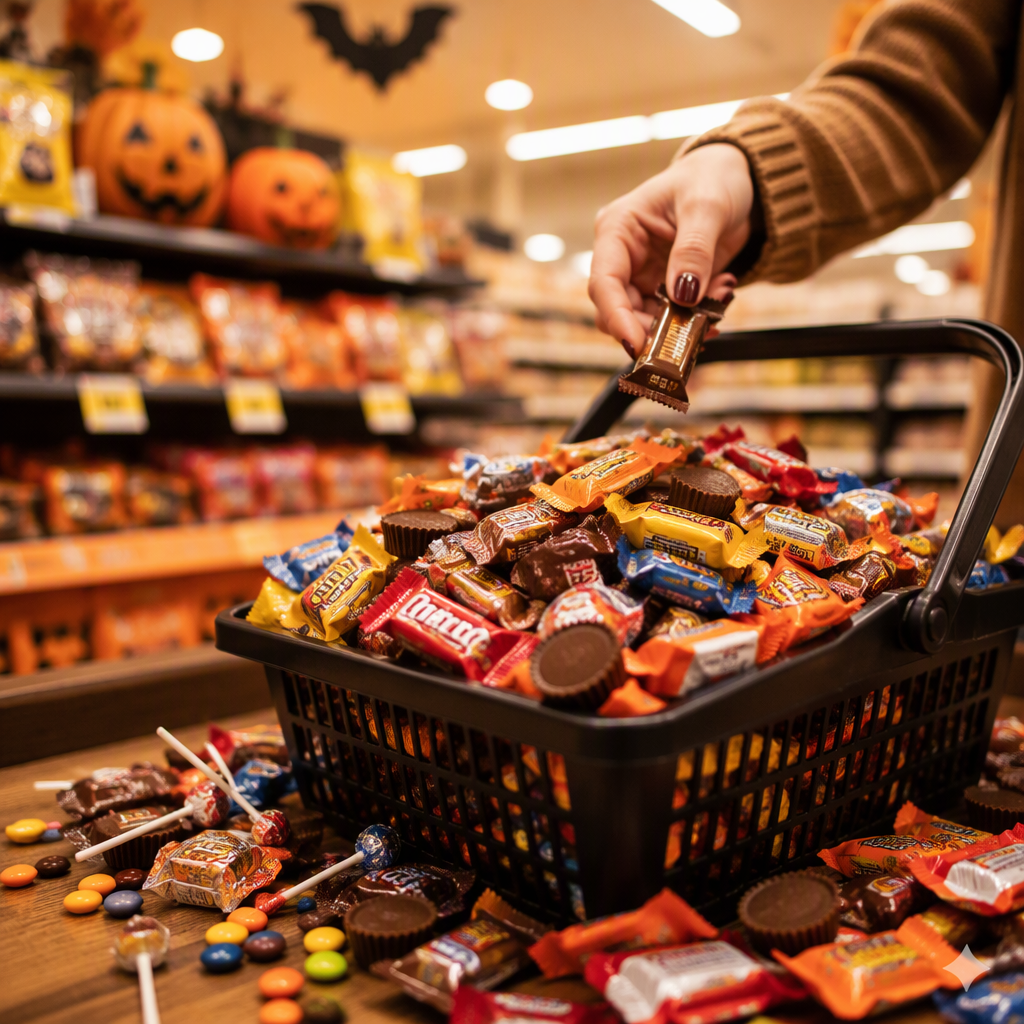

WASHINGTON — Despite a persistent surge in confectionery costs that outpaces general inflation, American households are gearing up to spend billions of dollars on trick-or-treat sweets this season. As Halloween candy prices continue to climb, consumers are showing little appetite for abandoning one of the autumn calendar’s most cherished holiday rituals.
According to annual projections from the National Retail Federation (NRF), total Halloween spending is expected to reach near-record levels, with confectionery purchases accounting for roughly $3.5 billion alone. Overall participation remains robust, with millions of shoppers stocking up on miniature chocolate bars, fruity chews, and specialty seasonal assortments even as unit costs climb higher at grocery stores and wholesale clubs nationwide.
Also read: Why Falling Oil Prices Won’t Lower Airfare Prices Anytime Soon
Why Halloween Candy Prices Outpaced Broad Inflation
While the broader Consumer Price Index (CPI) has cooled compared to the historic peaks seen in recent years, grocery store candy aisles tell a sharply different story. Confectionery prices have risen at double-digit rates over a cumulative multi-year stretch, significantly outpacing the rate of overall food-at-home inflation.
The primary driver behind the steep increase sits at the agricultural source: unprecedented disruptions in global cocoa production. Severe droughts, torrential off-season rains, and crop disease across West Africa—specifically Ivory Coast and Ghana, which together supply more than half of the world’s cocoa beans—triggered historic supply shortages. International cocoa futures surged to all-time highs earlier this year, forcing major chocolate manufacturers to adjust their balance sheets.
In addition to cocoa deficits, elevated domestic sugar prices and heightened logistics, labor, and packaging expenses have squeezed suppliers. As a result, major confectioners have passed elevated production costs directly onto retailers and consumers through both wholesale price hikes and subtle pack-size reductions.
Shrinkflation and Changing Shopper Habits
To cope with rising shelf prices, manufacturers have increasingly turned to “shrinkflation”—reducing the net weight of variety packs or individually wrapped fun-size bars without lowering the retail price. Shoppers browsing seasonal aisles may notice fewer pieces per bag or lighter portion sizes compared to previous years.
Nevertheless, consumer demand remains resilient. Retail analysts note that while shoppers often cut back on large discretionary purchases during inflationary periods, smaller indulgences and family-centered traditions remain relatively protected. Economists frequently describe this behavior as the “lipstick effect,” where consumers forgo expensive vacations or big-ticket luxury items while continuing to spend on affordable seasonal luxuries.
Shoppers are, however, adjusting their tactics to stretch their holiday budgets:
- Emphasizing non-chocolate candies: Fruity sweets, gummies, and hard candies—less exposed to extreme cocoa pricing—are gaining shelf space and consumer interest.
- Bulk buying and club stores: More households are purchasing warehouse club multipacks to minimize the per-unit cost of neighborhood handouts.
- Late-season shopping: Value-conscious buyers are delaying purchases until the final week before Halloween to capitalize on promotional discounts and clearance events.
Retailers Lean on Early Displays to Secure Sales
Anticipating cost sensitivity among shoppers, major retailers rolled out Halloween displays as early as late July and August. Big-box chains and grocers leveraged “Summerween” marketing campaigns to extend the shopping window, allowing cash-strapped families to spread their holiday purchases across multiple paychecks rather than absorbing the entire cost in October.
Retail analysts note that early displays help stores smooth out inventory turnover while gauging consumer sentiment early in the fourth-quarter retail cycle. Grocers also report stronger sales of private-label seasonal goods, as discount supermarket chains expand generic and store-brand candy alternatives at competitive price points.
What Happens Next
Market analysts expect elevated confectionery pricing to linger well beyond the current autumn season. Because major food conglomerates typically lock in commodity hedging contracts months in advance, the record cocoa prices established in 2024 will likely continue to influence wholesale costs through Easter and into mid-2025.
Industry observers will watch fourth-quarter earnings calls closely for signs of consumer pushback. If sales volumes drop noticeably despite elevated dollar totals, confectioners may face pressure to introduce more aggressive promotional discounting or increase promotional packaging sizes to win back value-conscious households.
Conclusion
The holiday season demonstrates that while economic headwinds may alter shopping strategies, family traditions hold firm. Even as Halloween candy prices test household budgets, Americans are proving that sweet treats remain a non-negotiable part of the autumn celebration.