
Why Falling Oil Prices Won’t Lower Airfare Prices Anytime Soon
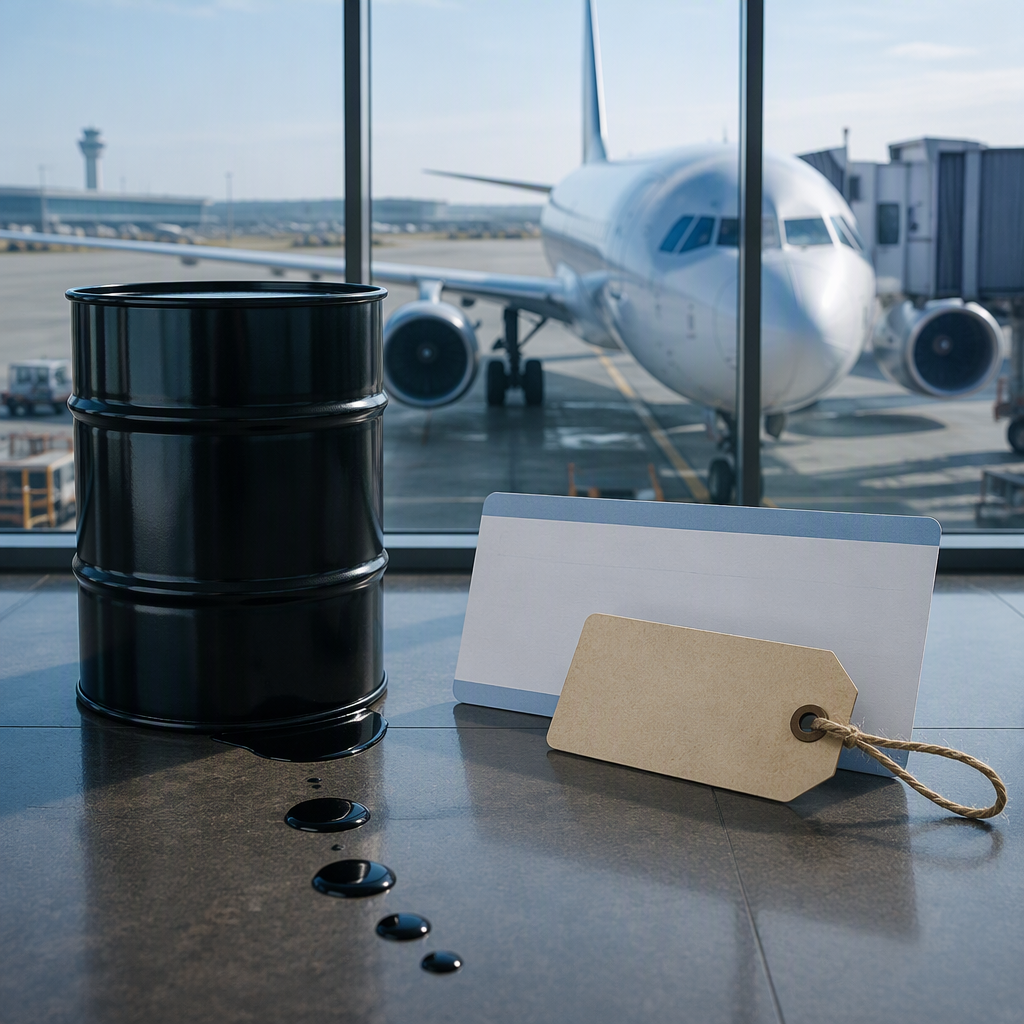
Global crude oil benchmarks have trended downward in recent months, providing welcome relief at retail gasoline pumps. However, travelers hoping that cheaper fuel will translate into immediate discounts on commercial flights will likely be disappointed. Despite easing energy costs, airfare prices remain stubbornly elevated across domestic and international routes, driven by structural pressures that keep airline operational expenses high.
Aviation analysts emphasize that the relationship between crude oil markets and airline ticket pricing is rarely straightforward. While jet fuel represents an airline’s largest variable operating expense—typically accounting for 25% to 35% of total operating outlays—carriers do not price seat inventory using a simple cost-plus model.
Also read: Sudan’s Soaring Fuel Prices Make Getting By Harder for Workers
Why Airfare Prices Don’t Track Fuel Drops in Real Time
A primary factor insulating ticket costs from immediate market fluctuations is the mechanism of fuel hedging. Many major international and legacy carriers use financial contracts to lock in their fuel prices months or even quarters ahead. This strategy protects airlines from sudden price spikes, but it also delays the benefits when crude oil prices decline.
If an airline secured forward contracts when oil traded near peak levels, it continues paying those agreed rates regardless of today’s spot market declines. Consequently, downward shifts in oil prices can take six to nine months, or longer, to materialize as net cost savings on an airline’s financial balance sheet.
Surging Non-Fuel Operational Costs
Even as jet fuel expenses moderate, non-fuel expenditures have escalated sharply across the commercial aviation sector. Over the past two years, major carriers negotiated landmark labor agreements that significantly increased wages for pilots, flight attendants, dispatchers, and ground handling crews.
Airlines also face rising expenses in other core areas:
- Maintenance and Parts: Global aerospace supply chain bottlenecks have created severe parts shortages, driving maintenance and repair bills higher.
- Airport and Navigation Fees: Commercial airports and air traffic navigation providers worldwide have raised landing, gate, and passenger facility charges to fund modernization projects.
- Financing and Insurance: Elevated interest rates have increased the cost of aircraft leasing, debt servicing, and fleet renewals, while aviation insurance premiums have climbed.
These persistent structural expenses offset potential fuel-related margins, leaving little room for across-the-board fare reductions.
Aircraft Shortages and Tight Passenger Capacity
Commercial airfares are fundamentally governed by the balance of supply and demand. Currently, capacity remains artificially constrained by worldwide aircraft delivery delays. Manufacturing bottlenecks, quality inspection delays, and engine durability inspections affecting both Boeing and Airbus have prevented carriers from deploying additional flight capacity.
Because airlines cannot expand their daily flight schedules at will, the overall supply of available seat miles remains restricted. In basic economic terms, when seat capacity is limited and consumer appetite for travel remains steady, airlines have no financial incentive to discount seats.
Dynamic Revenue Management and Resilient Consumer Demand
Modern airlines utilize sophisticated revenue management algorithms that continuously adjust ticket prices according to consumer booking velocity and willingness to pay. Premium leisure and corporate travel bookings have remained durable despite macroeconomic uncertainties.
As long as load factors—the percentage of available seats filled with paying passengers—remain consistently high, dynamic pricing engines will keep fares firm. Airlines lower fares only when booking volume drops significantly and seats threaten to go unsold, not simply because the cost of kerosene decreases.
What Happens Next for Travelers?
Travel industry experts expect airfares to remain steady through upcoming peak holiday and seasonal travel windows. If crude oil prices sustain a protracted decline over several consecutive quarters, airlines may eventually pass marginal savings onto consumers, primarily through targeted off-peak promotional sales rather than systemic base-fare reductions.
Travelers seeking lower costs are advised to book itineraries several weeks in advance, maintain flexibility with mid-week travel dates, and monitor secondary airports where low-cost carriers offer competitive alternatives.
Conclusion
While falling crude benchmarks offer broad economic relief, airfare prices will not mirror the dip at the pump anytime soon. As long as fleet delivery delays restrict capacity, operational overhead remains high, and consumer travel demand holds strong, commercial airlines will retain the pricing leverage required to keep tickets at current levels.