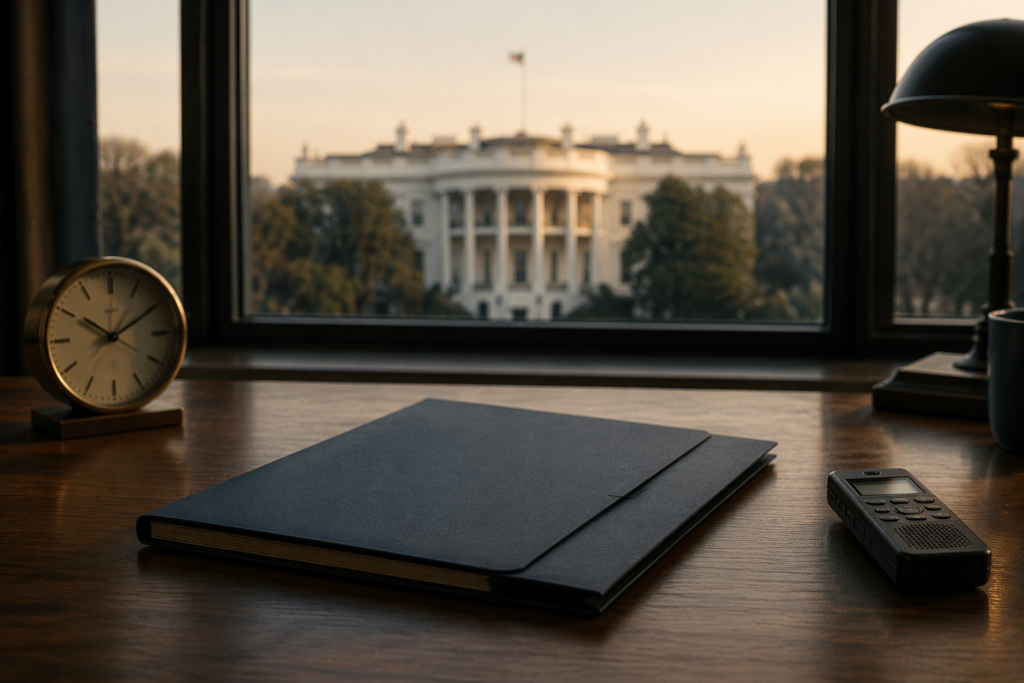

The question of whether law enforcement agencies and congressional committees should investigate Trump’s corporate allies while he remains in the White House has sparked an intense legal and political debate. Legal scholars, political analysts, and policy advocates continue to deliberate whether launching high-profile probes during an active presidency is legally effective or politically counterproductive.
The Strategic Debate to Investigate Trump’s Corporate Allies
Proponents of deferring formal scrutiny argue that pursuing corporate executives and business entities closely aligned with Donald Trump while he holds executive power presents major structural obstacles. A sitting president commands substantial authority over the executive branch, including the Department of Justice and regulatory enforcement agencies. Observers contend that investigations initiated during his administration risk being disrupted through executive orders, personnel changes, or targeted dismissals.
Also read: Dana White Trump Meeting Planned Amid White House Press Secretary Speculation
Moreover, advocates for waiting suggest that aggressive inquiries into corporate figures during an administration’s tenure frequently become entangled in claims of presidential overreach or political bias. By delaying inquiries until a president vacates office, prosecutors and oversight bodies can potentially gather evidence and pursue accountability without confronting assertion of executive privilege or retaliatory presidential pardons.
Concerns Over Delayed Accountability and Ethics Oversight
Conversely, government transparency advocates and opposition lawmakers raise serious concerns about pausing oversight. Critics argue that declining to scrutinize business leaders and financial backers grants undue impunity to corporate figures who benefit from executive actions, favorable regulatory relief, or lucrative government contracts.
Holding back investigations could also set a troubling precedent for ethics enforcement in American governance. Legal watchdogs caution that delaying scrutiny allows statues of limitations to expire, evidence to dissipate, and financial arrangements to become obscured across complex corporate structures.
Balancing Institutional Integrity and Political Realities
The dilemma highlights deep vulnerabilities in the mechanisms of modern institutional oversight. When corporate interests closely intersect with presidential power, standard regulatory frameworks face unprecedented pressure. Investigators must balance the duty to uphold the rule of law against the practical reality of operating in a polarized political landscape.
Whether oversight bodies choose immediate action or defer proceedings until after his term, the debate over how and when to hold political and corporate power accountable remains a defining challenge for democratic institutions and public trust.
Source: Al Jazeera