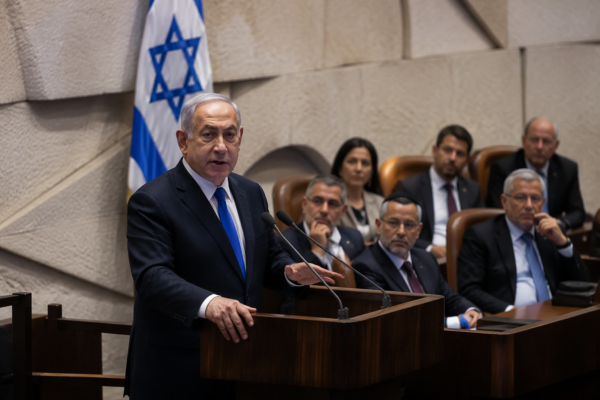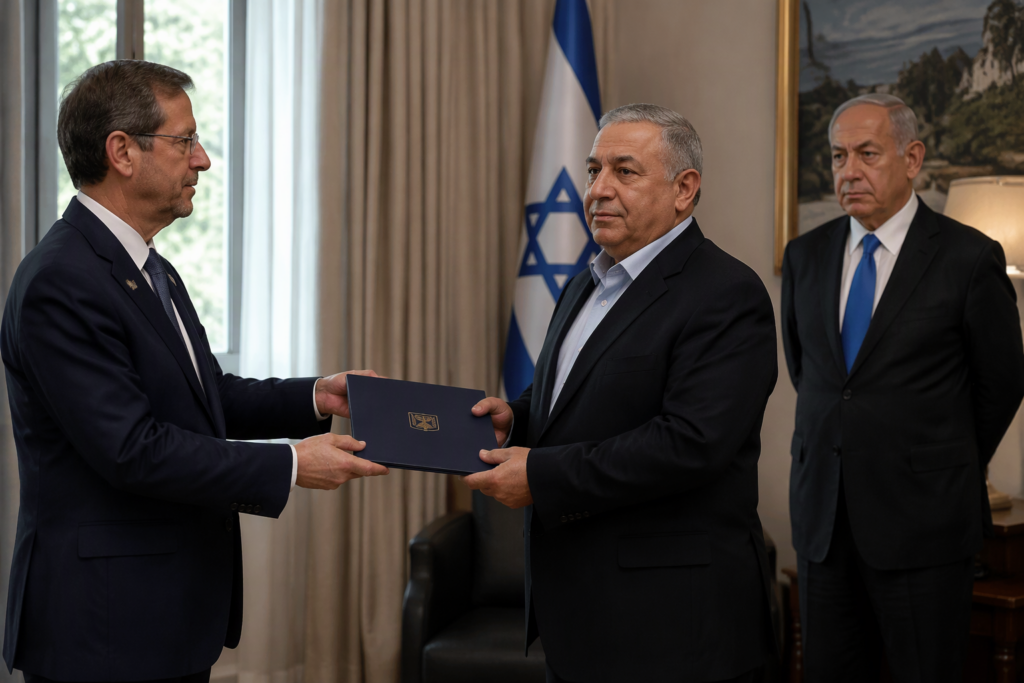

In a significant political development, the president of Israel has officially tasked Gadi Eisenkot to form next government, bypassing long-serving Prime Minister Benjamin Netanyahu. The move represents a notable shift in the country’s political dynamics as party leaders work to assemble a governing coalition.
Mandate Handed to Eisenkot to Form Next Government
Under Israeli law, following consultations with elected factions, the president grants the mandate to assemble an administration to the lawmaker deemed to hold the most viable path toward securing a parliamentary majority. By selecting Eisenkot over Netanyahu, the presidency has charted a new course for ongoing coalition talks.
Also read: Israel’s President Herzog to Name Candidate to Form Government on Sunday
Eisenkot, a former military chief of staff who transitioned into politics, now faces the challenge of negotiating with diverse political blocs to reach the required majority in the Knesset. Securing the necessary endorsements often demands delicate negotiations over cabinet appointments, policy agreements, and legislative agendas.
Netanyahu Sidelined Amid Shifting Alignments
The decision to pass over Benjamin Netanyahu marks a critical moment for the veteran leader, who has dominated Israeli politics for decades. While Netanyahu remains an influential figure, the decision indicates that rival factions and consultations pointed toward an alternative leadership track to break political deadlock.
Coalition building in Israel frequently involves high-stakes negotiations among centrist, religious, and right-wing parties. Lawmakers will now scrutinize how Eisenkot approaches potential partners across the political spectrum to secure stability.
Next Steps in the Coalition Process
Eisenkot will have a standard window of time stipulated by law to conclude agreements and present a viable government for parliamentary approval. If he succeeds, the new administration will take office and determine the country’s domestic, security, and foreign policies going forward.
However, if coalition talks stall or fail to produce a workable majority within the allocated timeframe, the mandate could be extended or assigned to another candidate. For now, all eyes remain on Eisenkot as formal negotiations get underway.
Source: Al Jazeera