
Minneapolis Withdrawal Was ‘Surrender’, Trump’s Ex-Border Patrol Chief Tells BBC
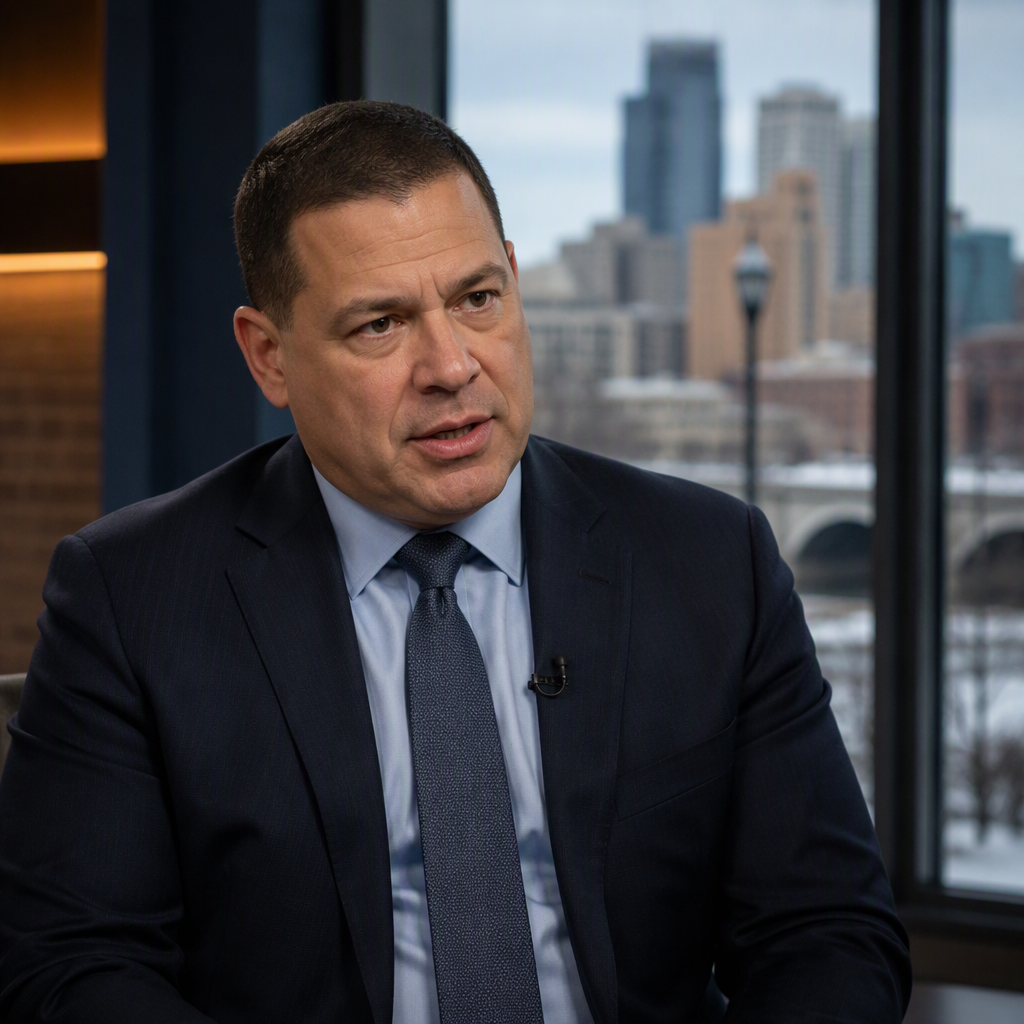
A former top border official from Donald Trump’s administration has strongly criticized the handling of civil unrest in Minnesota, describing the controversial Minneapolis withdrawal as an act of “surrender” in an interview with the BBC.
The remarks reignite debate over the law enforcement response to widespread demonstrations and civil unrest, contrasting tactical de-escalation with aggressive federal crowd-control strategies.
Also read: Iran Targeting US Personnel in Middle East Escalating, Intelligence Chief Warns
Critique of the Minneapolis Withdrawal and Tactical Responses
In the interview, the former border patrol chief argued that pulling back law enforcement units and relinquishing control during peak moments of unrest sent a damaging signal to the public and emboldened agitators. Describing the Minneapolis withdrawal as a capitulation, the former official maintained that law enforcement agencies have an unwavering duty to maintain order and protect infrastructure.
Local officials and police leadership at the time defended tactical retreats, including the abandonment of the Minneapolis Police Department’s Third Precinct building, as necessary measures to prevent loss of life and de-escalate volatile standoffs between officers and large crowds.
However, critics within federal law enforcement circles have continually argued that orderly policing requires holding ground to prevent property destruction and maintain public safety.
Federal Interventions vs. Local Strategies
The friction highlighted in the interview reflects broader ideological divisions over policing in the United States. During the Trump presidency, federal agencies deployed specialized tactical units—including elements from the U.S. Border Patrol—to several American cities experiencing intense unrest.
Proponents of the federal deployments claimed they were essential to defend federal courthouses and restore order when local authorities hesitated. Conversely, municipal leaders and civil rights advocates argued that militarized federal presence worsened tensions and infringed on constitutional rights.
The former border patrol chief insisted to the BBC that federal agents were deployed with clear mandates to uphold the rule of law, rejecting claims that their tactics were overly aggressive.
Accountability and Public Safety Debate Continues
The fallout from policing decisions made during major civil disturbances continues to influence law enforcement policy across the country. Police departments nationwide have reviewed crowd management guidelines, use-of-force protocols, and officer safety measures in the years following the events in Minneapolis.
While reform advocates emphasize accountability and community-led de-escalation, conservative leaders and law enforcement unions frequently point to rising crime rates and property damage as consequences of pulling back police presence.
What Happens Next
As the United States approaches future election cycles, issues surrounding urban policing, federal law enforcement authority, and public safety remain central to national political discourse. Lawmakers continue to debate federal funding for municipal police departments, while congressional committees periodically review the deployment of specialized border units in domestic settings.
The debate surrounding the Minneapolis withdrawal highlights enduring divisions over how police forces should balance public safety, constitutional rights, and tactical restraint during times of crisis.