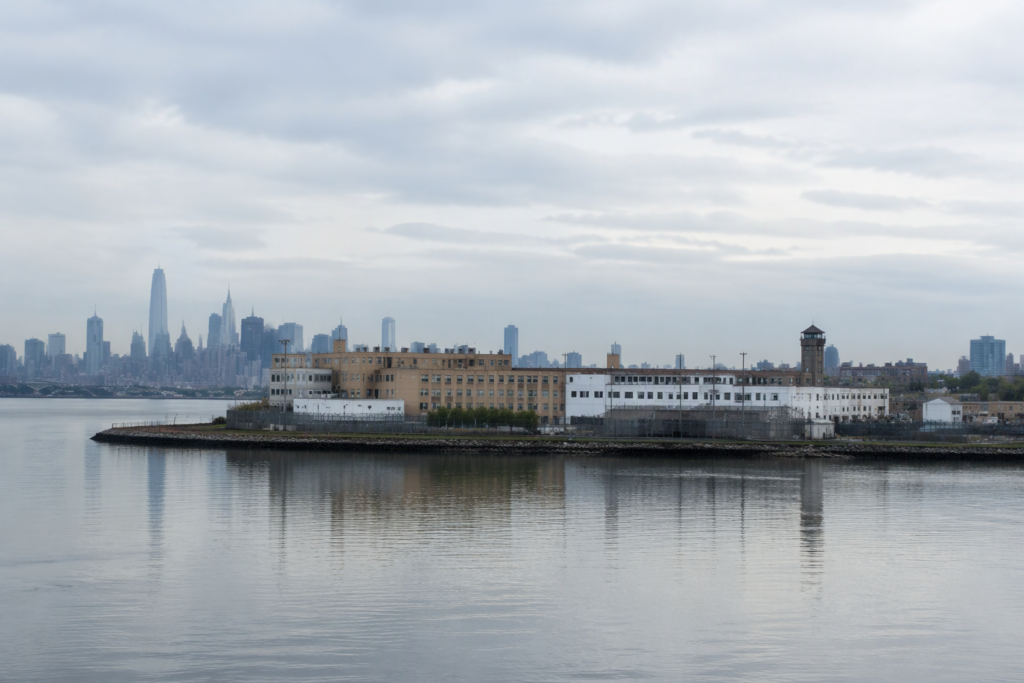
New York City wants to shutter its most infamous penal complex within eight years, replacing a crumbling 413-acre facility with four borough-based lockups. Mayor Zohran Mamdani unveiled the updated blueprint on Friday, setting a firm target to close Rikers Island by 2032 while cutting the city’s detainee count by more than a third.
The move pushes back earlier legal deadlines that proved impossible to meet. For detainees, staff and city taxpayers, the revised schedule represents a major test of whether New York can finally break away from decades of federal scrutiny, violence and physical decay on the East River island.
Also read: Plan to Close Rikers Island Pushed Back to 2032 by NYC Mayor
City officials describe the extended schedule not as a retreat, but as a realistic chance to overhaul how the metropolis handles criminal justice. Dana Kaplan, appointed by Mamdani as the city’s “Close Rikers Czar,” told BBC News that the plan offers a generational opportunity to build a different type of detention system and house individuals appropriately.
Four new borough facilities by 2032
Mamdani’s 88-page report calls for replacing the isolated island compound with smaller, modern jails placed closer to local courthouses. Under the schedule, the city will open a new facility in Brooklyn by 2029, followed by two jails in the Bronx and Queens by 2031, and a final site in Manhattan by 2032.
City Hall officials argue that decentralized sites will give detainees regular access to fresh air, natural daylight and sanitary living quarters. The borough locations are also intended to ease grueling travel burdens for families and attorneys, who currently face multi-hour treks to reach Rikers Island between Queens and the Bronx.
The administration is backing the construction plan with $146 million in dedicated funding. Those dollars will finance substance abuse care, specialized mental health treatment, and educational and vocational training both behind bars and in community settings.
Shrinking the inmate population to 4,100
Building smaller facilities requires keeping far fewer people in custody. Rikers currently holds more than 6,500 people on any given day, but the proposed network can only accommodate 4,100 detainees across the entire city.
To reach that lower threshold, Mamdani plans to alter how the justice system treats defendants awaiting trial. City agencies will expand diversion programs, speed up pretrial court proceedings and make it simpler for families to post bail through an online portal.
The city is also shifting detainees with severe psychiatric needs away from correctional dormitories. Kaplan noted that the administration has already established 100 therapeutic beds at Bellevue Hospital in Manhattan, moving those individuals out of the Rikers Island jail complex entirely.
Kaplan maintained that reducing the number of beds is both achievable and essential. “It’s actually possible to have fewer people in jail in New York City – and that is what we should be planning for,” she said.
Bitter pushback from correction officers
The proposed reduction in detainee capacity immediately triggered fierce condemnation from rank-and-file jail staff. Union leadership argued that capping available cells will endanger both correctional officers and the wider public by limiting who judges can detain.
The NYC Correction Officers’ Benevolent Association released a scathing statement attacking the administration’s arithmetic and the safety risks involved.
“[B]uilding a new system that puts an arbitrary cap on the City’s available jail beds is ill-conceived, irresponsible and jeopardizes the safety of all New Yorkers, including our Officers.”
The union asserted that the city cannot lower the jail population to 4,100 without releasing people who face violent felony charges. Officers argue that compressing capacity before crime drops will create hazardous conditions inside the new facilities.
The decade-long effort to close Rikers Island
The plan to abandon Rikers is rooted in decades of documented violence, neglected infrastructure and persistent staffing failures. Over the decades, the complex held high-profile detainees awaiting trial, including Harvey Weinstein, Tupac Shakur and DMX, while earning grim street monikers like “Torture Island” and “Gladiator School.”
The New York City Council initially voted in 2019 to shut down the complex, and state legislation later set an official deadline for 2027. But that target collapsed amid pandemic court shutdowns, administrative friction and logistical standstills over where to house inmates during the transition.
Conditions deteriorated further in recent years. Nine detainees died in custody this year alone, and federal judges stepped in during former Mayor Eric Adams’ tenure, removing operational management from City Hall and handing day-to-day decisions to an independent monitor.
Mamdani argued that the city faces a clear moral obligation to shutter the aging facilities. Still, the new roadmap cannot take effect on mayoral authority alone. The New York City Council must formally vote to amend the legally binding timeline, with Council leadership already indicating initial backing for the 2032 deadline.
Source: BBC