
Following the conclusion of recent election cycles, questions surrounding the status and direction of the Republican Party after midterms have moved to the center of national political discussion. As ballots are finalized and results analyzed, party officials, strategists, and lawmakers face the critical task of evaluating performance, addressing internal debates, and charting a path forward.
Assessing the Republican Party After Midterms
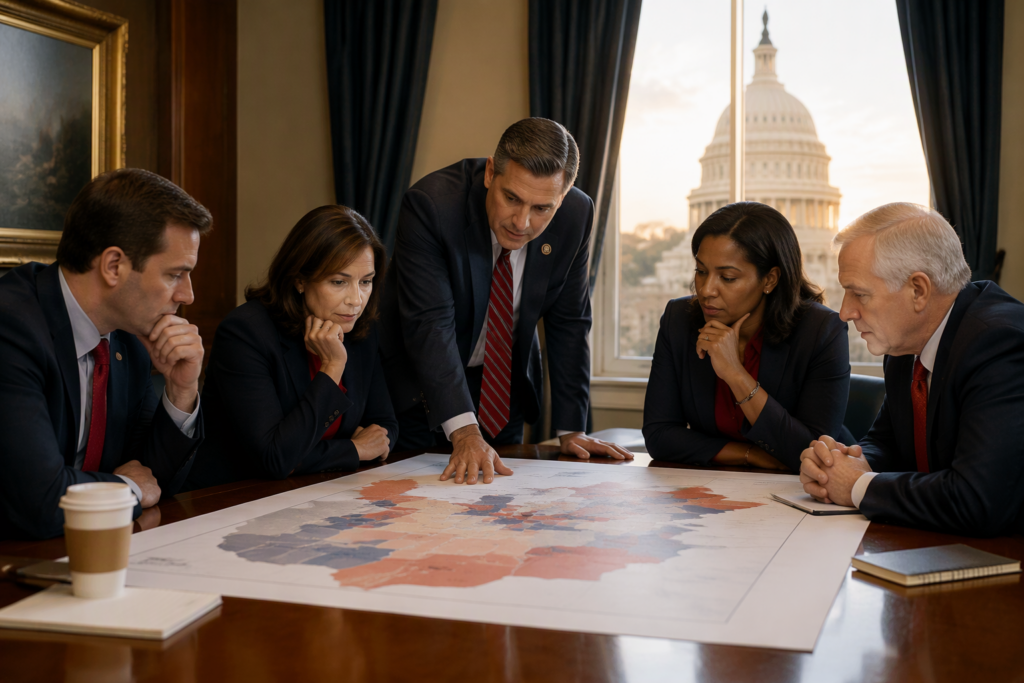
Midterm elections routinely serve as a referendum on the governing party while offering the opposition an opportunity to expand its influence. In the wake of these contests, party leaders are closely examining voter turnout patterns, suburban performance, and shifts among key demographics to understand where their message resonated and where it fell short.
Also read: 2028 GOP Battle Lines Emerge as Vance, Cruz, and DeSantis Clash Over Midterm Fallout
Electoral outcomes provide vital data on how candidate selection and campaign messaging influenced voter decisions. While some regions delivered strong party turnouts, other competitive districts highlighted persistent challenges in winning over moderate and independent voters.
Internal Coalitions and Leadership Dynamics
Following major election cycles, internal debates frequently emerge regarding the balance between grassroots populism and traditional conservative policy platforms. Lawmakers and strategists must determine how to reconcile differing factions within the caucus to present a cohesive legislative front.
Leadership contests and committee assignments often reflect these competing visions. As party members negotiate key positions, discussions center on which strategies will best maintain party discipline and advance key conservative objectives in Congress.
Legislative Priorities and Governing Strategy
With the midterm campaigns concluded, attention turns toward policymaking and governance. Key legislative priorities typically encompass economic management, fiscal restraint, national security, and regulatory oversight.
Depending on the composition of legislative majorities, party leaders must balance direct policymaking with oversight responsibilities. Crafting bills that unite the caucus while challenging opposing viewpoints remains an essential test of legislative effectiveness.
Strategic Outlook for Upcoming Elections
The post-midterm environment marks the beginning of preparation for future electoral cycles. Party organizations and campaign committees are already adjusting their fundraising frameworks, ground-game investments, and digital outreach based on the lessons learned from recent races.
Ultimately, the position of the party in the coming years will depend on its ability to build durable coalitions, address voter concerns on key kitchen-table issues, and deliver tangible governance outcomes.
Source: Al Jazeera