
Six Flags Adding Seatbelts to Goliath Rollercoaster Following Death
Theme park operator Six Flags is adding seatbelts to Goliath rollercoaster trains as part of an intensified safety review following a fatal incident on one of its high-thrill attractions. The new restraint protocol introduces a redundant secondary restraint system to provide extra security for riders during extreme drops and sharp maneuvers.
Park officials confirmed that the decision comes after thorough technical evaluations and consultations with ride manufacturers and independent safety inspectors. The update aims to restore guest confidence and minimize risks across the park’s lineup of hypercoasters and extreme thrill rides.
Also read: Bank of America CEO Honored at $32M Fundraising Event Against Antisemitism
Enhanced Restraint System and Technical Upgrades
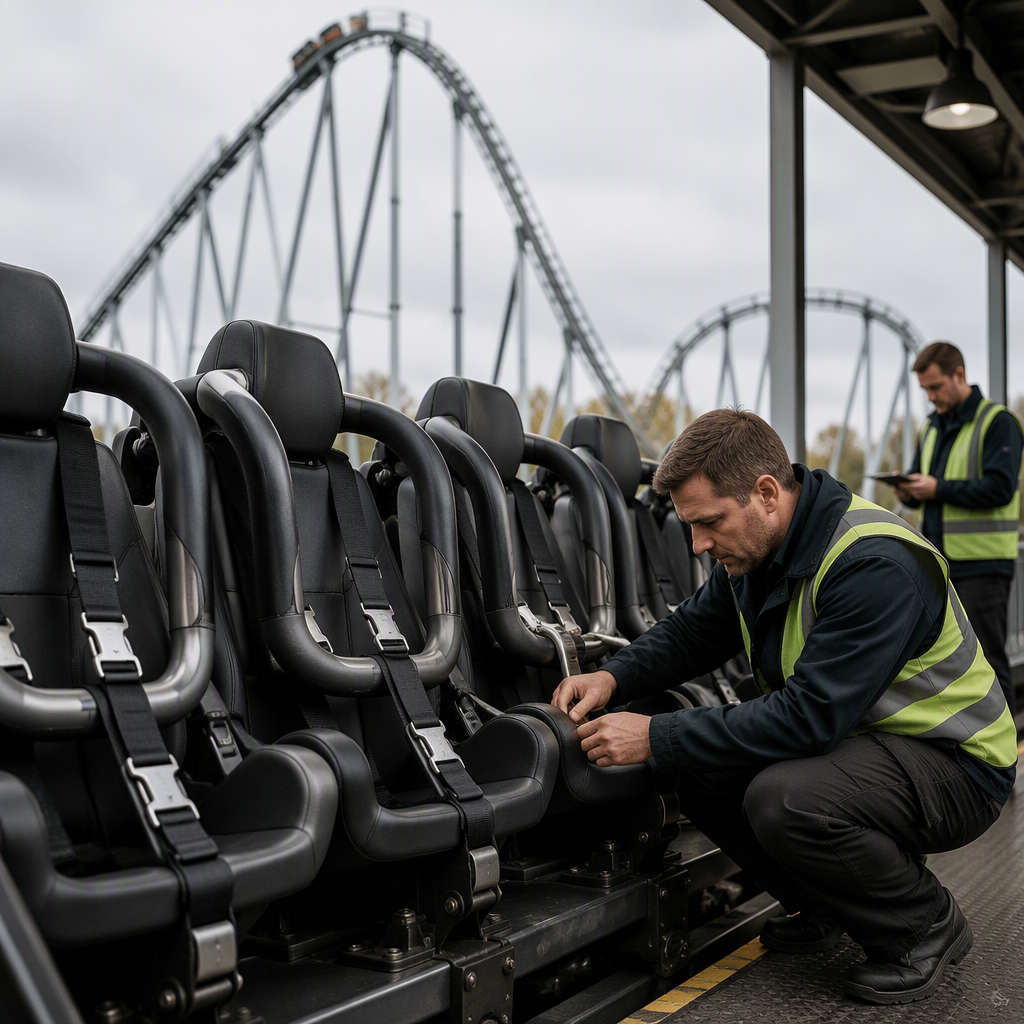
The addition of individual seatbelts serves as a backup to the primary hydraulic lap-bar restraint system. Under the new configuration, ride operators must visually confirm that each rider’s seatbelt is fastened securely before the electronic lap bar is lowered and locked into position.
According to engineering reports, redundant restraint systems are designed to ensure that passengers remain properly positioned throughout the ride cycle, even in the unlikely event of a mechanical failure or improper restraint latching. The installation process includes rigorous testing with weighted dummies, dynamic stress checks, and timing trials to gauge the impact on queue dispatch times.
Industry Reactions and Safety Investigations
State amusement ride regulators and independent forensic investigators conducted extensive reviews following the fatal fall, examining everything from restraint tolerances to operator dispatch protocols. While primary restraint mechanisms are engineered to withstand severe gravitational forces, investigators underscored the importance of secondary physical barriers on extreme coasters.
Safety advocates and industry analysts have welcomed the move. Redundant seatbelts have increasingly become the industry standard for high-speed roller coasters featuring steep drops, airtime hills, and rapid directional changes. Many international amusement parks have retrofitted older attractions with similar systems over the past decade.
Operator Training and Boarding Protocols
In addition to hardware modifications, Six Flags is revamping operational procedures for ride attendants. Staff members are undergoing specialized training focused on:
- Double-checking seatbelt tension and buckle engagement on every seat.
- Verifying that passengers meet all height and torso proportion guidelines.
- Recognizing guest behavior or positioning that could compromise restraint integrity.
- Enforcing strict dispatch clearance rules before releasing trains from the station.
Public Confidence and Park Operations
Theme park attendance often hinges on a spotless safety record. Following high-profile accidents, park operators frequently face immediate drops in rider volume and increased scrutiny from both the public and state lawmakers. By aggressively retrofitting rides with visible safety measures, Six Flags seeks to assure visitors that rider protection remains paramount.
Park representatives noted that while dispatch times might slightly increase due to manual seatbelt verification, the guest experience will remain largely unchanged once the coaster ascends the lift hill.
What Happens Next
The retrofitted coaster will remain offline while technicians complete final calibration runs and obtain operational clearance from state regulatory agencies. Once certified, Goliath will reopen to the public under the updated safety guidelines.
With Six Flags adding seatbelts to Goliath, theme park safety analysts expect other regional parks to review their existing coaster fleets for similar secondary restraint enhancements in the coming operating season.