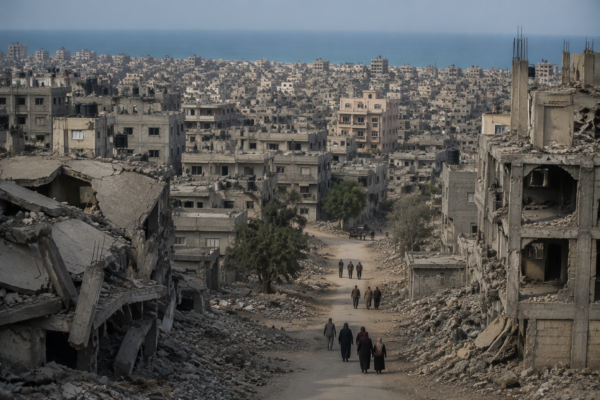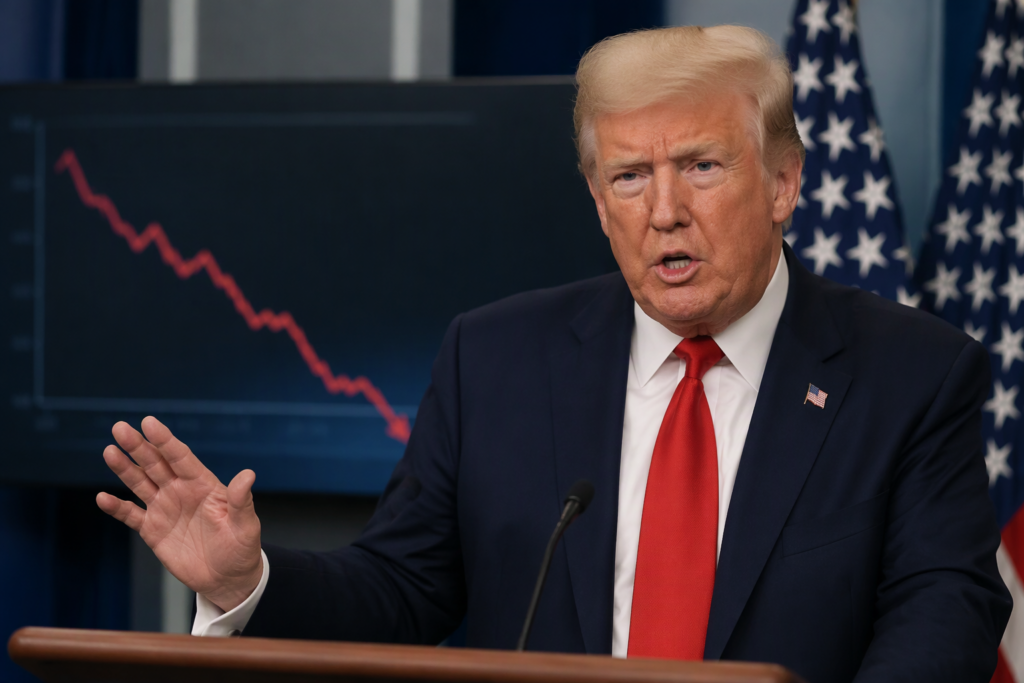

Donald Trump has reaffirmed his stance that military action in the Trump Iran war was fully justified, expressing no regrets despite suffering a severe drubbing in public opinion polls. Facing intensifying scrutiny over the conflict, Trump maintained that the offensive was a necessary step, even as public support has sharply eroded across the country.
Defending the Trump Iran War Decision
Addressing the contentious decision to enter hostilities with Tehran, Trump rejected criticisms that the conflict was ill-advised or politically damaging. He asserted that the administration acted decisively to counter perceived regional threats and protect broader strategic interests. According to Trump, the outcome justified the intervention regardless of immediate political blowback.
Also read: Trump Calls Iran Conflict a ‘Soft War,’ Insists US Holds the Cards Ahead of Midterm Elections
The defense comes at a delicate juncture, as public apprehension regarding foreign entanglements remains high. Nevertheless, Trump signaled unwavering confidence in the operation, indicating that national security imperatives must take precedence over political calculations or negative public sentiment.
Political Backlash and the Polling Drubbing
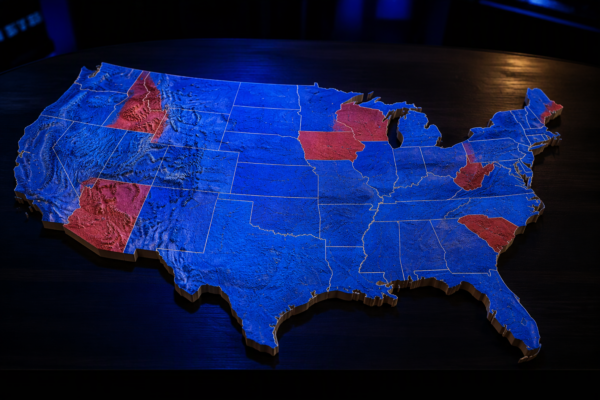
Despite Trump’s firm rhetoric, public opinion data indicates a steep decline in voter approval regarding the confrontation with Iran. Polls show widespread voter discontent with the administration’s military maneuvers, reflecting growing anxiety over prolonged regional instability and economic repercussions.
Analysts point out that foreign military actions often face rapid public resistance when clear exit strategies and direct benefits are questioned by the electorate. The sharp polling drop underscores deep divisions among voters who express growing skepticism toward large-scale overseas military interventions.
Reactions Across the Political Spectrum
Lawmakers and political observers have responded along familiar ideological lines, with opponents citing the unfavorable polling numbers as evidence of a strategic failure. Critics argue that engaging in military action against Iran without broad public consensus risks destabilizing the wider region while alienating key domestic constituencies.
Conversely, supporters of the operation maintain that strong leadership often requires pursuing unpopular measures. They argue that standing firm against international adversaries serves long-term security interests, even when the immediate domestic political response is unfavorable.
Looking Ahead
As the political fallout continues to unfold, Trump’s uncompromising stance demonstrates a commitment to defending the conflict on strategic grounds. Whether public opinion shifts over time will likely depend on subsequent developments in the Middle East and how effectively the administration can articulate the long-term outcomes of its military policy.
Source: Al Jazeera