
How the Tuscan Nonna Teaching the Internet to Cook Is Reviving Traditional Italian Food
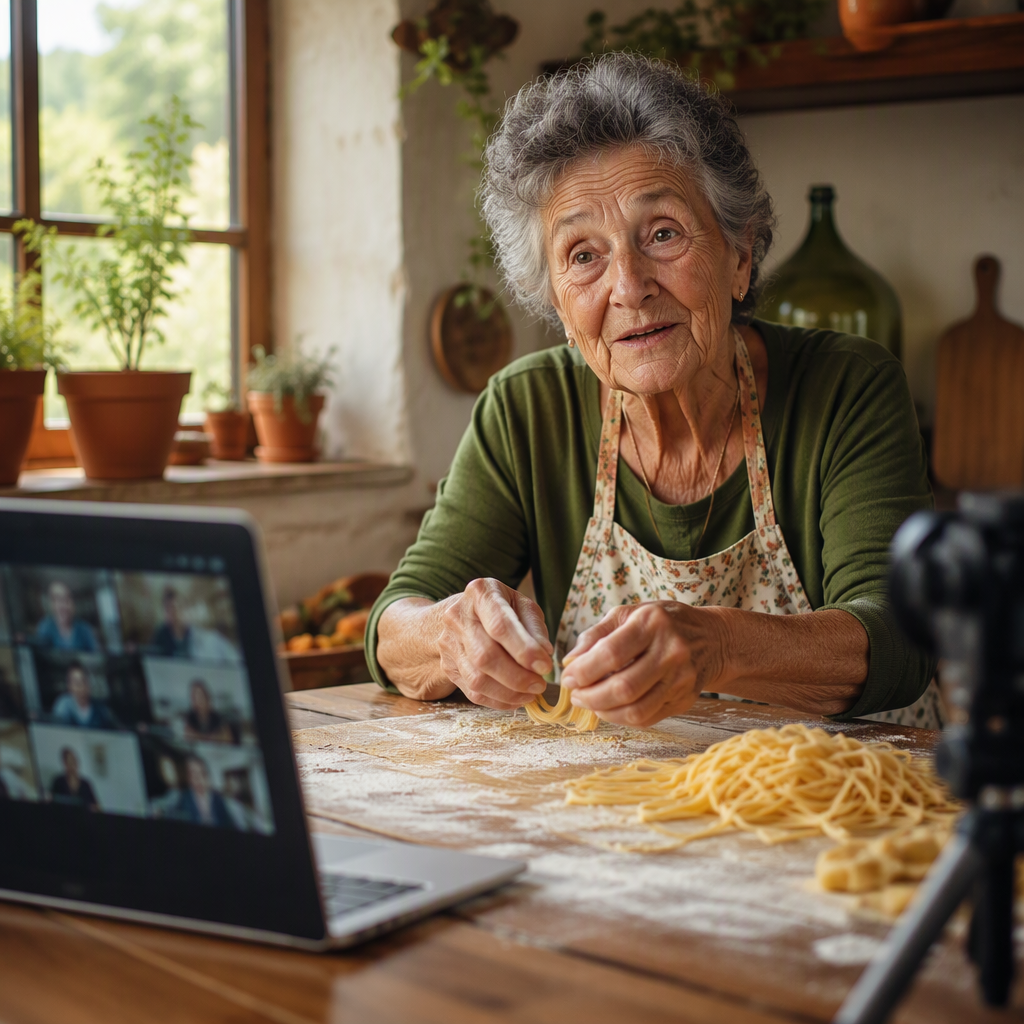
In an era dominated by hyper-edited recipe clips and fast-paced cooking hacks, a viral Tuscan nonna teaching the internet to cook has captured the attention of millions worldwide. By trading flashy studio production for seasoned wooden pasta boards, rustic rolling pins, and centuries-old culinary heritage, Italian grandmothers from Tuscany are proving that simplicity and patience remain the gold standard of home cooking.
Across platforms like TikTok, Instagram, and YouTube, these matriarchs—most notably Tuscan icons such as Silvana Bini, widely celebrated online as Nonna Silvi, alongside other regional grandmothers—share daily culinary wisdom from their village kitchens. Assisted by tech-savvy grandchildren, they bring regional classics like handmade pici, slow-simmered ragù, ribollita, and fresh schiacciata to an eager international audience.
Also read: The Hunt for New York’s Most Authentic Pretzel: Bakers Revive a Street Icon
The Global Appeal of Authentic Tuscan Kitchens
The rise of digital culinary grandmothers reflects a broader cultural shift. Modern home cooks increasingly seek comfort, authenticity, and heritage over fleeting food fads. Rather than relying on measured teaspoons and commercial gadgets, these Italian grandmothers measure ingredients by feel, touch, and decades of muscle memory.
Viewers tune in not only to learn technique, but also to experience the warm, unvarnished atmosphere of a traditional Italian home. The cadence of rolling fresh pasta dough and the hiss of olive oil hitting a hot pan offer a grounding, almost meditative experience. For diaspora communities and international food lovers alike, the videos provide an intimate window into a lifestyle rooted in family, local agriculture, and seasonal cooking.
How the Tuscan Nonna Teaching the Internet to Cook Conquered Social Media
The success story often begins within the family. In many instances, grandchildren started recording their grandmothers during routine Sunday dinners to document family recipes before they were forgotten. Once published online, these candid clips resonated immediately with viewers tired of commercialized culinary content.
What sets the Tuscan nonna teaching the internet to cook apart is unapologetic authenticity. There are no sponsored lighting rigs or scripted voiceovers. Instead, audiences hear candid advice delivered in Italian and regional Tuscan dialects, paired with warm scoldings on pasta water salinity and dough thickness. This sincerity has driven follower counts into the millions, drawing comments from professional chefs and amateur home cooks across the globe.
Preserving Heritage Recipes for a New Generation
Beyond entertainment, this digital movement performs a vital cultural service: culinary preservation. Regional Italian food traditions have historically been passed down orally from generation to generation. As demographic shifts and modern work schedules change family dynamics in Italy, fewer young people spend afternoons learning at their elders’ kitchen tables.
By translating heirloom techniques into digital formats, these creators ensure that regional heritage survives. Step-by-step videos demonstrate nuanced skills that cookbooks often struggle to convey, such as:
- Evaluating dough hydration simply by resting a palm against the surface.
- Stretching and cutting rustic pasta shapes without specialized machinery.
- Balancing acidity, fat, and aromatics using minimal, pantry-stable ingredients.
What Happens Next for Traditional Cooking Online
The overwhelming popularity of traditional grandmothers online is reshaping culinary media. Mainstream publishers, tourism boards, and culinary academies are taking note, offering cookbook deals, live virtual masterclasses, and cultural culinary tours centered around authentic regional kitchens.
As social media algorithms continue to favor authentic and instructional storytelling, the phenomenon shows no signs of slowing down. Ultimately, the Tuscan nonna teaching the internet to cook represents more than just a viral trend; she stands as a living bridge between historical tradition and the modern digital world, proving that good food and family values never go out of style.