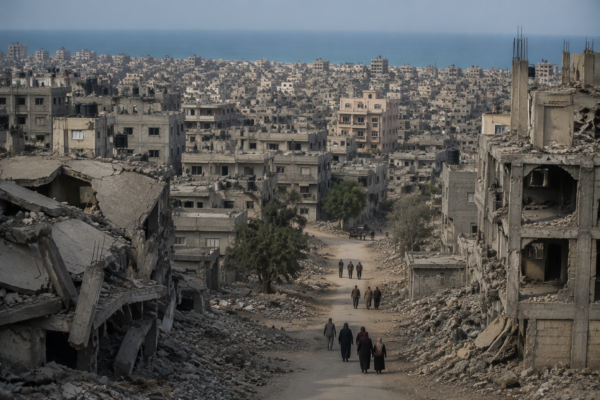

The recent US midterm results could signal significant shifts in foreign policy, particularly concerning American engagement in the Middle East. Following a decisive outcome at the polls, political observers are evaluating how changes in legislative power will influence future international strategy.
How the US Midterm Results Could Reshape Middle East Policy
A resounding victory for Democrats in the elections is expected to alter the legislative dynamics governing regional foreign affairs. With new leadership taking shape, the incoming Congress is poised to re-examine key international commitments and military postures across the Middle East.
Also read: US Midterm Elections Results: Key Moments as Democrats Win Congress
Legislative oversight often intensifies when balance-of-power shifts occur in Washington. As the next Congress prepares to convene, lawmakers may look more closely at diplomatic priorities and long-standing international alliances throughout the region.
Heightened Scrutiny on the Iran War
Among the most critical areas facing renewed focus is policy surrounding the conflict involving Iran. The electoral outcome suggests that the incoming legislative body could adopt a substantially more critical stance toward ongoing hostilities and related military actions.
Lawmakers in the new Congress are expected to subject current strategies to closer scrutiny. This approach may involve renewed debates over funding, the scope of military operations, and the diplomatic avenues required to manage broader regional stability.
Looking Ahead to the Next Congress
As the newly elected members prepare to take their seats, the debate over American objectives in the Middle East is set to become a focal point of foreign policy discussions. The shift in congressional dynamics indicates that future executive actions regarding the Iran conflict will likely face enhanced accountability and debate on Capitol Hill.
Source: BBC