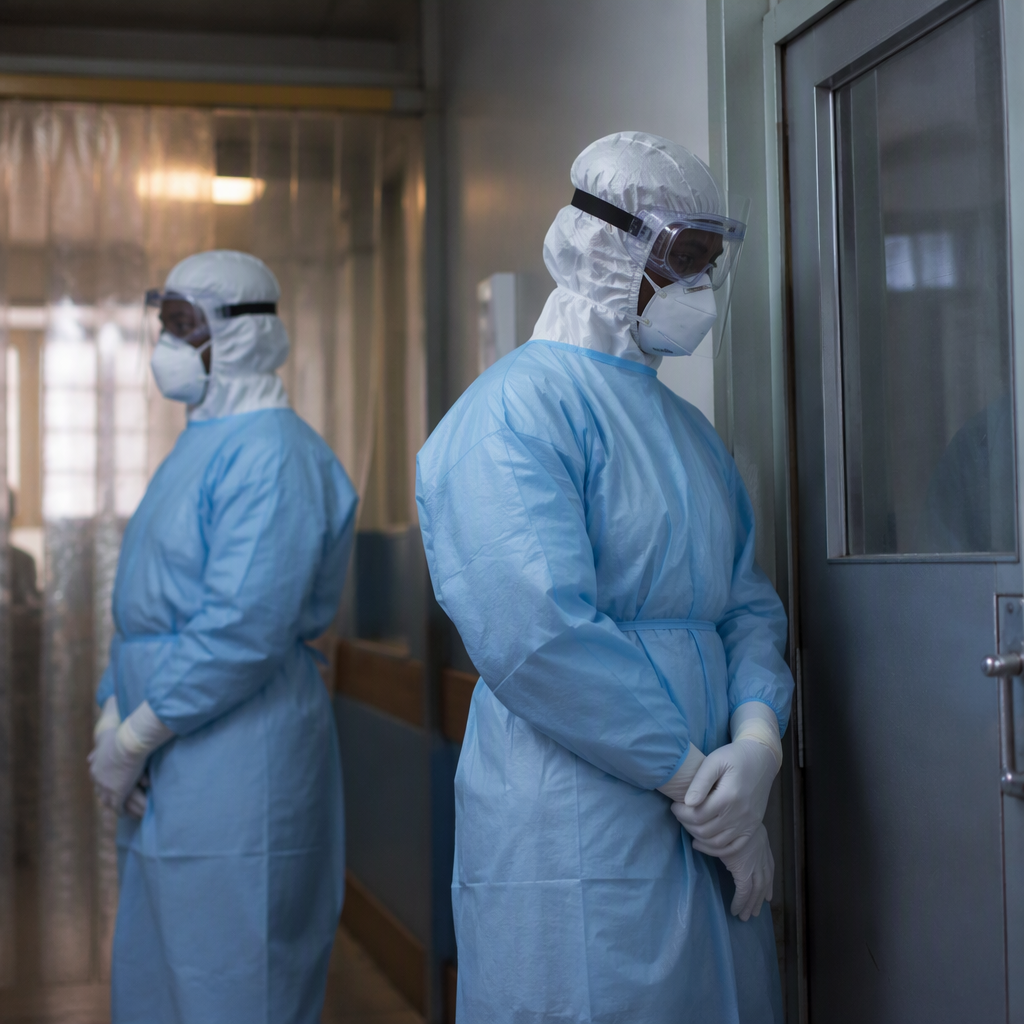

Woman, 65, Becomes Second Patient to Die of Ebola in Kenya
NAIROBI — A 65-year-old woman has become the second patient to die of Ebola in Kenya, public health authorities announced on Friday, escalating concerns over regional transmission and prompting emergency surveillance teams to expand contact tracing across medical facilities.
The patient died at a designated isolation unit after presenting with severe symptoms characteristic of the viral hemorrhagic disease, including high fever, vomiting, and internal bleeding. Medical personnel immediately placed the patient under specialized care following clinical triaging, but her condition deteriorated rapidly within hours of admission.
Also read: How the Immortal Jellyfish Could Unlock New Treatments for Diseases of Old Age
Laboratory tests conducted at the national reference facility confirmed the presence of the Ebola virus, marking the country’s second fatality linked to the recent alert. The Ministry of Health stated that specialized burial teams handled the remains under strict infection prevention and control protocols to eliminate the risk of secondary transmission.
Second Patient to Die of Ebola in Kenya Prompts Heightened Surveillance
Following the development where the woman became the second patient to die of Ebola in Kenya, epidemiologists deployed rapid response units to identify and monitor all potential contacts. Healthcare workers who attended to the patient before her transfer to isolation have been mapped for daily health checks over a mandatory 21-day observation period.
Public health officials emphasize that early detection remains critical to containing the virus. Contact tracing teams are currently tracking family members, community members, and transport operators who may have interacted with the patient during the infectious phase of the illness.
“Our rapid intervention teams are actively working on the ground to track every chain of transmission,” said a senior health ministry official during a press briefing in Nairobi. “We have fortified personal protective equipment supplies in regional hospitals and placed isolation centers on standby.”
Strengthening Border Controls and Clinical Protocols
Regional transit points, international airports, and land border crossings have intensified temperature checks and symptom screenings. Kenya shares borders with countries that have previously battled major outbreaks of viral hemorrhagic fevers, prompting continuous cross-border disease intelligence sharing.
Hospitals and clinics across affected counties have received revised clinical guidelines instructing medical staff to isolate any patient displaying unexplained fevers accompanied by bleeding tendencies. Authorities have also urged private clinics and dispensaries to avoid treating suspected cases in standard outpatient settings without barrier nursing defenses.
Recognizing Key Symptoms
Health authorities are urging the public to stay alert to standard symptoms associated with the Ebola virus, which include:
- Sudden onset of high fever and extreme fatigue
- Persistent muscle pain, headache, and sore throat
- Nausea, vomiting, and severe diarrhea
- Unexplained bruising, bleeding gums, or internal hemorrhaging
- Impaired kidney and liver function
What Happens Next
Public health authorities and the World Health Organization (WHO) are coordinating logistical support, diagnostic supply chains, and public sensitization campaigns. In the coming days, health agencies will focus on three key priorities:
- Completing genomic sequencing to identify the exact strain of the virus
- Maintaining uninterrupted monitoring of all registered primary and secondary contacts
- Conducting community awareness workshops to counter misinformation and promote voluntary reporting
Regional health directors will deliver daily situation updates to ensure transparency and community engagement as containment protocols proceed.
Conclusion
Health officials remain on high alert following confirmation that a 65-year-old woman is the second patient to die of Ebola in Kenya. While the fatality underscores the severe nature of the pathogen, authorities reassure the public that rigorous containment frameworks, contact tracing, and clinical isolation measures are fully active to prevent widespread community transmission.