
Iran Targeting US Personnel in Middle East Escalating, Intelligence Chief Warns
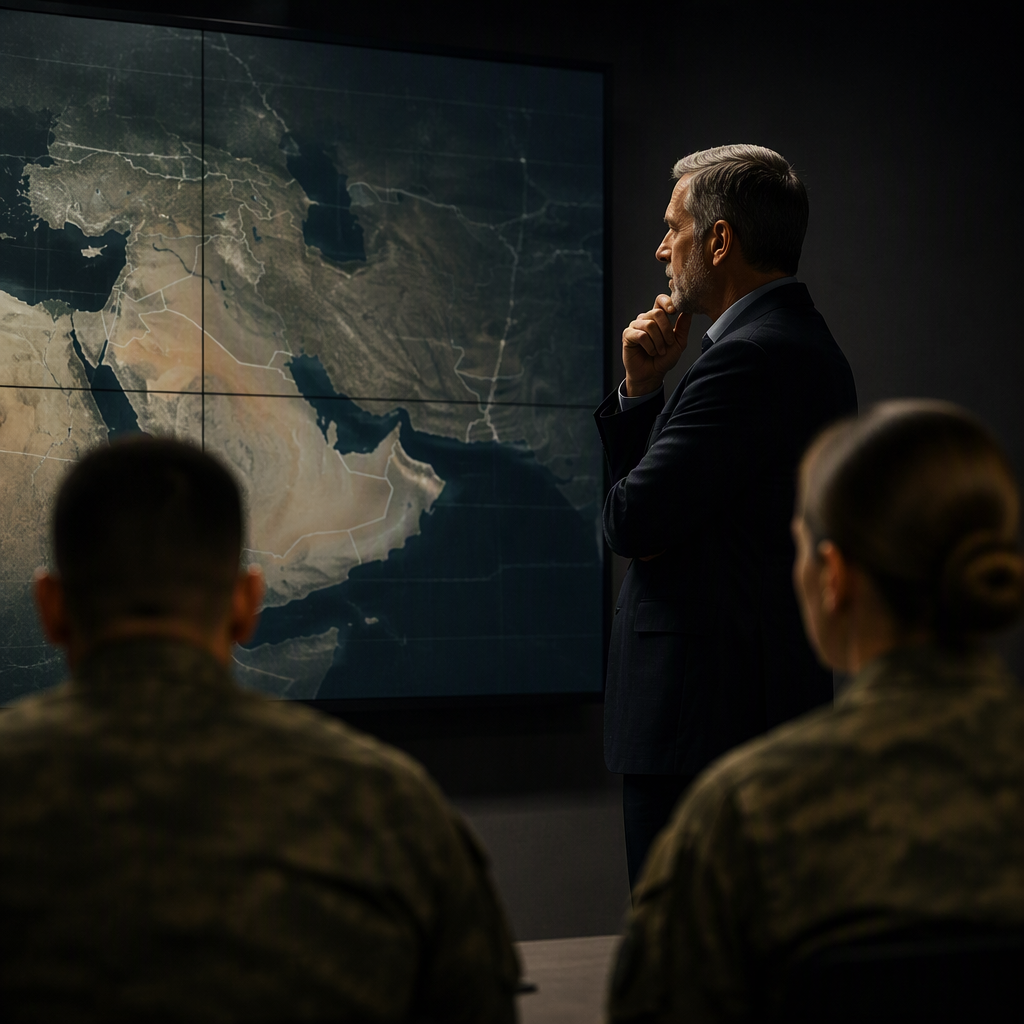
Top United States intelligence officials have issued a stark warning that Iran targeting US personnel across the Middle East has intensified, posing an elevated threat to American troops and diplomatic staff stationed throughout the region. The assessment highlights an increasingly aggressive posture by Tehran and its expansive network of regional proxy forces.
According to briefings delivered by senior intelligence leadership, Iranian leaders and affiliated paramilitary groups are actively pursuing opportunities to strike American targets. The ramped-up efforts follow months of heightened regional volatility, marked by cross-border skirmishes, drone incursions, and rocket strikes aimed at installations housing American military personnel in Iraq, Syria, and the broader Persian Gulf corridor.
Also read: Iran Ceasefire Talks With US: Tehran Proposes Accelerated Plan Amid Middle East Crisis
Heightened Risks of Iran Targeting US Personnel
Intelligence officials emphasize that the campaign is neither accidental nor decentralized. Instead, it reflects deliberate planning by the Islamic Revolutionary Guard Corps (IRGC) and allied militias to apply direct pressure on Washington.
Officials warn that Iran’s operational approach has evolved significantly in recent months, relying on several coordinated tactics:
- Advanced One-Way Attack Drones: Militias are employing sophisticated unmanned aerial systems designed to bypass standard radar detection and air defense systems.
- Coordinated Rocket Barrages: Repeated salvos target remote forward operating bases in eastern Syria and western Iraq.
- Targeted Plotting Against Diplomatic Figures: Intelligence agencies have monitored expanded surveillance and plotting against US officials both within the Middle East and internationally.
- Cyber Operations: Tehran’s state-sponsored cyber units continue probing US defense contractors and regional logistics networks.
Regional Proxy Networks Fueling the Escalation
The intelligence chief noted that Tehran frequently relies on non-state proxies to execute strikes while maintaining a degree of plausible deniability. Groups under the self-styled “Axis of Resistance”—including Kata’ib Hezbollah in Iraq, the Houthis in Yemen, and various factions in Syria—have received advanced weaponry, intelligence support, and strategic direction from Iran.
Despite repeated strikes by US forces against weapons depots and launch sites, Iranian-backed groups continue to reconstitute capabilities. Intelligence analysts warn that proxy leaders view American forces in Iraq and Syria as accessible, high-value targets to advance their objective of forcing a total US withdrawal from the Middle East.
US Defensive Adjustments and Deterrence Posture
In response to the intelligence community’s findings, the Pentagon has reinforced force-protection measures across affected areas. Defense officials have deployed additional air defense batteries, including Patriot systems and Counter-Rocket, Artillery, and Mortar (C-RAM) units, to bolster base security.
Commanders on the ground have also adjusted troop movement protocols and tightened operational security at vulnerable outposts. While Washington maintains that it does not seek an all-out regional conflict with Tehran, military leadership has reiterated that American forces retain the inherent right to self-defense and will strike back decisively if personnel are killed or injured.
What Happens Next
The intelligence assessment is expected to shape immediate congressional deliberations regarding the authorization and funding of US force deployments in Iraq and Syria. Lawmakers on intelligence and armed services committees are pressing the administration for detailed contingencies in the event of mass-casualty attacks.
Diplomatically, the United States is coordinating with regional allies—including Gulf Cooperation Council members and European partners—to tighten maritime security and disrupt illicit Iranian weapons shipments across international waterways.
Conclusion
The clear assessment from the intelligence community confirms that regional risks remain critical, with Iran targeting US personnel through a combination of proxy attacks and direct planning. As deterrence is tested across multiple regional flashpoints, American military and civilian leaders face the ongoing challenge of defending regional assets without triggering a broader military conflagration.


1 Comment
Comments are closed.