
Why Who Israel Elects Matters Across the Middle East and the World
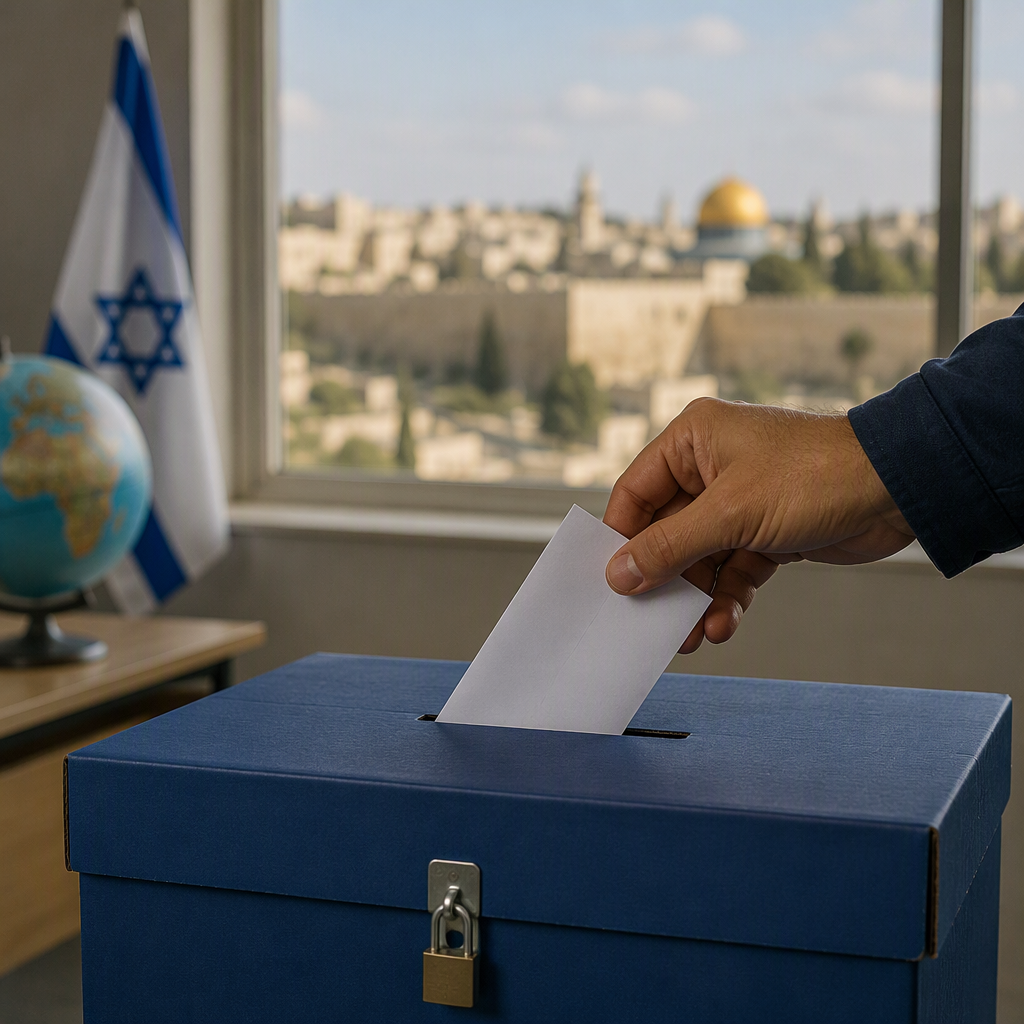
When voters in Israel head to the ballot box, their choices reverberate far beyond the borders of the Mediterranean nation. In an era of shifting geopolitical dynamics, high-stakes diplomacy, and volatile regional conflicts, the makeup of the Knesset and the leadership in the prime minister’s office shape international affairs in profound ways. World capitals from Washington to Riyadh watch Israeli voting patterns closely, recognizing that who Israel elects matters not only for domestic governance, but also for international security and global alliances.
As the Middle East undergoes historic transformations, Israeli electoral outcomes directly influence war and peace, trade routes, nuclear non-proliferation, and intelligence sharing across continents. Consequently, Israeli national elections serve as a major geopolitical bellwether.
Also read: Iran Targeting US Personnel in Middle East Escalating, Intelligence Chief Warns
Why Who Israel Elects Matters on the Global Stage
Israel sits at the crossroads of three continents and occupies a pivotal position in international security architectures. The ideological stance of an Israeli governing coalition determines the country’s defense posture, engagement with international legal bodies, and willingness to participate in multilateral negotiations.
A hawkish or right-leaning government frequently prioritizes deterrence, unilateral military options, and aggressive counter-terrorism strategies against adversaries such as Iran and its regional proxies. Conversely, a centrist or left-leaning coalition often leans toward increased coordination with Western partners, greater emphasis on traditional diplomacy, and distinct approaches to conflict de-escalation. Because Israel possesses significant military, cyber, and intelligence capabilities, shifts in its executive branch immediately alter regional defense equations.
Impact on US-Israel Relations and Western Alliances
The alliance between the United States and Israel remains a cornerstone of American Middle Eastern foreign policy. However, the tone and strategic alignment of that partnership often depend on the leaders in power in both Washington and Jerusalem.
Elections determine how closely Israeli policy aligns with White House priorities regarding issues such as Iranian nuclear development, humanitarian protocols, and democratic norms. When political ideologies diverge sharply between Israeli leaders and Western administrations, diplomatic friction frequently surfaces over settlement expansion, judicial reforms, or regional defense spending. A cooperative alignment can accelerate joint defense initiatives, such as missile defense integration and intelligence operations, while policy divergences create complex domestic debates in donor nations.
Future of Regional Accords and the Palestinian Issue
The trajectory of Arab-Israeli normalization hinges directly on political leadership in Jerusalem. The Abraham Accords demonstrated that shared security concerns and economic interests could unlock diplomatic ties with nations such as the United Arab Emirates, Bahrain, and Morocco. However, expanding these pacts—particularly toward normalization with Saudi Arabia—relies heavily on the policies pursued by the Israeli government.
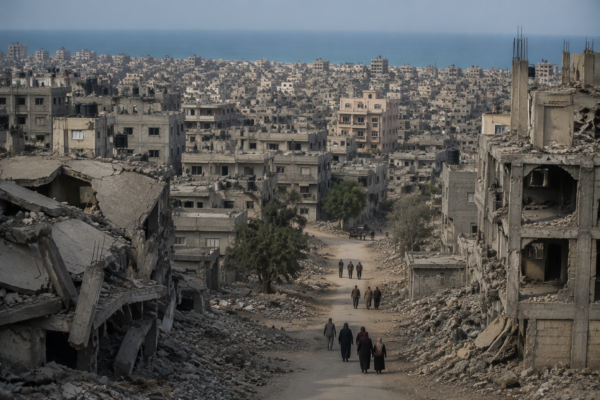
The Israeli electorate’s choice fundamentally dictates the state’s posture toward the Palestinian Authority, governance in the West Bank, and the resolution of long-standing territorial disputes. While some coalitions pursue economic integration without territorial concessions, others engage with frameworks aimed at regional autonomy or two-state negotiations. For neighboring Arab governments, the treatment of the Palestinian question remains a critical factor in managing public sentiment and deciding whether to deepen or freeze diplomatic ties.
Economic, Energy, and Cyber Ripple Effects
Israel’s role as a major technological hub and offshore natural gas producer adds economic weight to its electoral choices. The global economy relies on Israeli innovations in cybersecurity, artificial intelligence, agritech, and medical research.
Government policies on trade, international research funding, and energy exports directly affect Mediterranean energy security. As European nations seek diversified energy suppliers, Israeli offshore fields in the Leviathan and Tamar basins offer vital alternatives. Stable, forward-looking governance provides certainty for international investors and multinational tech corporations operating within the country.
What Happens Next
In upcoming electoral cycles, analysts will monitor voter turnout, coalition-building strategies, and the emergence of new political factions. The primary issues shaping international reactions include:
- The stance of prospective coalition partners on regional defense initiatives and preemptive security strategies.
- The diplomatic willingness to engage moderate Arab states on post-conflict reconstruction and security frameworks.
- The domestic consensus regarding governance, the rule of law, and institutional checks and balances.
International partners will calibrate their foreign aid, defense treaties, and diplomatic support based on the policy commitments made by the emerging coalition.
Conclusion
Elections in Israel are never merely a local affair. Through defense policies, energy networks, and historic diplomatic pacts, decisions made at Israeli polling stations send ripples across the globe. As strategic challenges intensify in the Middle East and beyond, who Israel elects matters to an interconnected international community that relies on regional stability and predictable global partnerships.