
Israel to Close West Bank Crossings on Election Day Amid Escalating Security Crackdown
JERUSALEM — The Israeli military has announced plans to close West Bank crossings and seal entry points from the Gaza Strip ahead of national election day, citing heightened security evaluations as an ongoing regional crackdown continues to escalate.
The closure, scheduled to take effect in the early hours of voting day and last through midnight, represents a routine protocol during major Israeli civic events and national holidays. However, this measure comes amid months of intensified counter-terrorism operations, near-daily military raids, and elevated friction across the West Bank.
Also read: Israeli Forces Turn Hebron Homes into Military Posts Amid West Bank Lockdown
Why Authorities Move to Close West Bank Crossings
According to the Israel Defense Forces (IDF), the decision to close West Bank crossings was finalized following a comprehensive operational situational assessment approved by political leaders and defense officials.
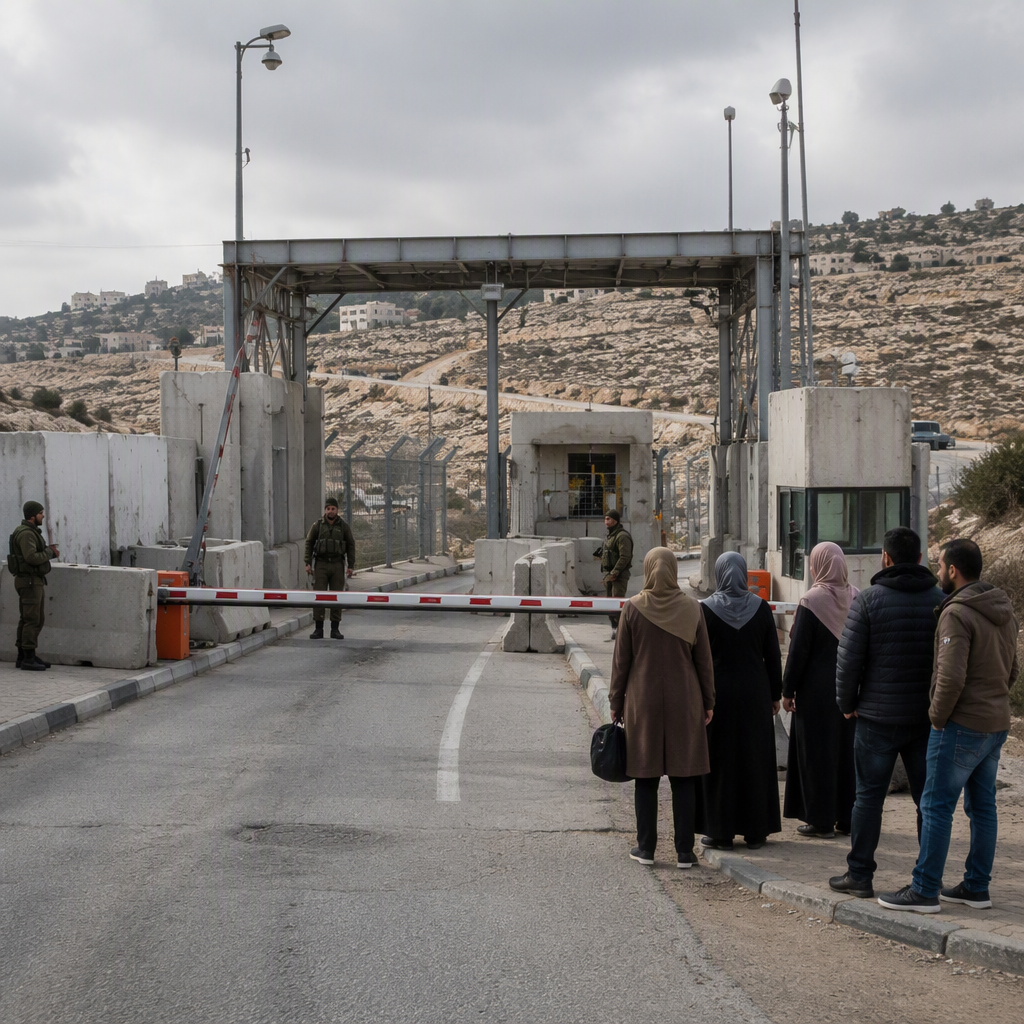
During the lockdown, passage through border checkpoints is strictly barred for general travel and daily commerce. Exceptions will be granted solely on humanitarian grounds, including urgent medical emergencies, and remain subject to the approval of the Coordinator of Government Activities in the Territories (COGAT).
Security officials noted that elections historically present elevated security risks, prompting defense agencies to maximize precautions at checkpoints to prevent potential incidents during heavy voter turnout across Israel.
Crackdown Escalates Across the West Bank
The checkpoint closure occurs against the backdrop of significant military activity. Over recent months, Israeli security forces have conducted expansive operations focused primarily on northern West Bank cities, such as Jenin and Nablus, targeting armed factions and suspected militant networks.
These persistent incursions have led to repeated armed confrontations, arrests of hundreds of suspects, and an increasing casualty toll on both sides. Israeli military leaders maintain that the operations are necessary to disrupt planned attacks against Israeli civilians and security personnel.
Palestinian officials and community leaders argue that the ongoing raids, coupled with widespread movement restrictions, exacerbate instability and inflame tensions among the civilian population.
Economic and Daily Impact on Palestinians
The impending shutdown will directly disrupt the daily routines of tens of thousands of Palestinians. Over 100,000 Palestinian laborers hold permits to work inside Israel and Israeli settlements, relying on open crossings for daily livelihood.
With border terminals shuttered, commercial transit, employment commutes, and educational activities tied to cross-boundary permits will come to a complete standstill for the duration of the vote.
Human rights organizations have repeatedly voiced concern over blanket border closures, characterizing them as collective measures that place significant economic pressure on residents who have no involvement in political violence.
What Happens Next
Israeli defense authorities stated that border terminals will resume regular operations once polling stations close, pending a follow-up security assessment late on election night.
Despite the temporary nature of the order, thousands of additional police officers and military personnel remain deployed along seam zones, major transit hubs, and polling locations nationwide.
While officials emphasize that the directive to close West Bank crossings is a standard preventative measure during national polls, the broader security posture indicates that military pressure and active raids are likely to persist long after the ballots are counted.