
Israel Election Turnout Hits 77.7%, Highest Level Since 1999
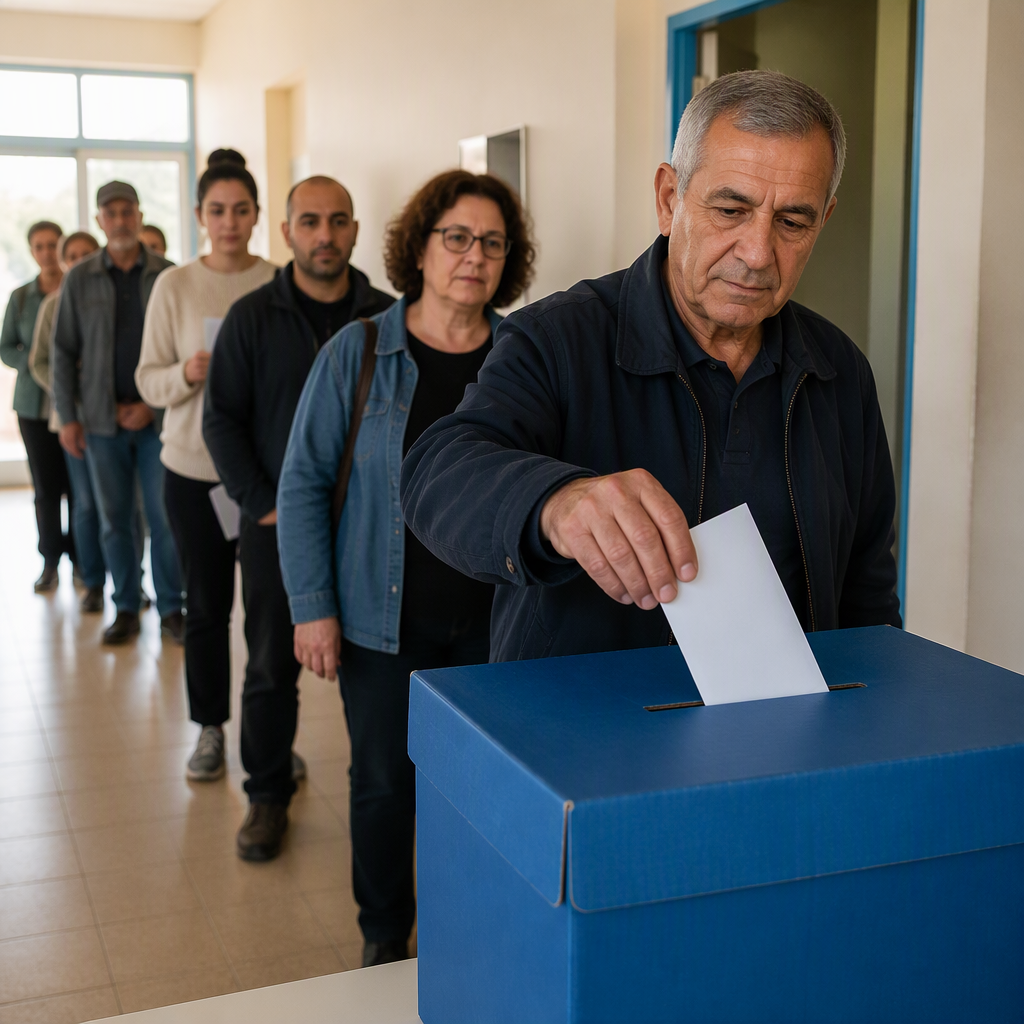
Voter participation reached a landmark threshold on Tuesday as Israel election turnout climbed to 77.7 percent, marking the highest level recorded in a national parliamentary race since 1999. Election authorities reported brisk, sustained activity at polling stations across the country from the morning hours until the final ballot boxes closed late in the evening.
The high engagement levels defied expectations of voter fatigue, bringing millions of eligible voters out to determine the composition of the 120-seat Knesset. With polling stations operating across all major districts, urban hubs and rural communities alike reported elevated participation rates throughout election day.
Also read: Israelis Vote in Record Numbers in First National Election Since Oct 7
Historic Surge in Israel Election Turnout
The Central Elections Committee confirmed that final figures placed Israel election turnout well above recent electoral cycles. The 77.7 percent milestone represents the strongest nationwide civic engagement since the 1999 general election, when voter turnout reached 78.7 percent.
Lines formed early in major metropolitan centers including Tel Aviv, Jerusalem, and Haifa, as well as in southern and northern regional councils. By midday, official benchmarks showed participation tracking several percentage points ahead of comparable stages in previous ballots.
Election officials credited smooth operations at polling facilities and expanded voting access for helping accommodate the heavy influx of citizens without significant procedural disruptions.
Key Factors Driving Voters to the Polls
Political analysts attribute the surging turnout to high-stakes campaign rhetoric and deeply polarized ideological platforms. Key dynamics that defined the race included:
- Heightened Political Mobilization: Leading party alliances mounted intensive get-out-the-vote campaigns, focusing resources on base activation and uncommitted voters in competitive districts.
- Urgency Around Governance: Following years of close-run parliamentary contests, voters expressed an acute desire for political clarity and sustainable coalition stability.
- Socioeconomic and Security Focus: Cost-of-living concerns, judicial policies, and national security matters dominated public discourse, drawing a broad demographic cross-section to the ballot box.
Community leaders and municipal figures across diverse sectors also issued public appeals urging citizens to participate, further accelerating the late-afternoon surge.
What Happens Next
With voting closed, election workers and counting teams have begun tallying regular ballots alongside double-envelope votes cast by soldiers, diplomats, and hospital patients. Official preliminary results are anticipated within the next 48 hours once verification procedures conclude.
Following certification of the final tally, Israel’s president will hold consultations with faction heads to assign the presidential mandate for coalition formation. The designated lawmaker will then receive an initial four-week window to negotiate an agreement and assemble a parliamentary majority.
Conclusion
The unprecedented Israel election turnout underscores robust public engagement at a pivotal political juncture for the nation. As ballots are certified and coalition talks get underway, the decisive 77.7 percent participation rate ensures that the incoming Knesset will reflect the active voice of a highly mobilized electorate.
1 Comment
Comments are closed.