
‘NonnaMaxxing’: Why Tourists Are Paying to Travel Like Grandmothers
A growing demographic of modern travelers is trading bustling club districts, packed 15-city itineraries, and adrenaline-fueled excursions for a decidedly gentler pursuit: NonnaMaxxing. Inspired by the Italian word for grandmother, the viral phenomenon sees tourists deliberately booking vacations centered around early bedtimes, traditional home cooking, slow village walks, and domestic crafts.
Rather than seeking Instagram-heavy landmarks or high-intensity nightlife, holidaymakers embracing the trend are paying premium rates for agritourism retreats, cooking workshops with elderly matriarchs, and quiet rural homestays. The movement highlights a wider cultural shift toward restorative, slow travel across Europe and beyond.
Also read: When Is Premium Economy Worth the Extra Cost? Key Factors for Travelers
What Is the NonnaMaxxing Travel Trend?
The term combines “nonna”—the Italian word for grandmother—with the internet slang suffix “-maxxing,” which denotes taking a specific aesthetic or behavior to its fullest potential. In practice, NonnaMaxxing encourages travelers to channel the unhurried, nourishing lifestyle associated with traditional Mediterranean matriarchs.
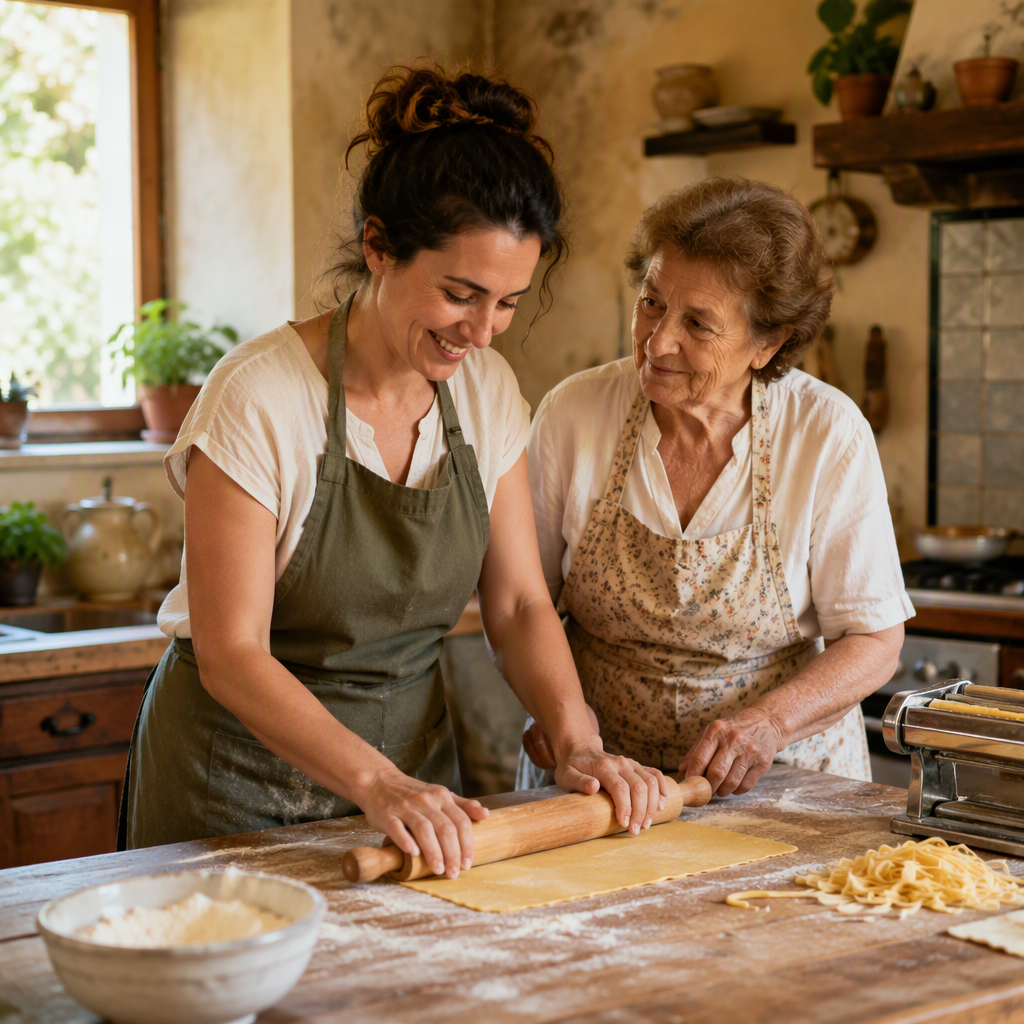
Typical itineraries prioritize simplicity and sensory comfort over frantic sightseeing. Participants spend their mornings visiting local produce markets, afternoons hand-rolling tagliatelle or tending kitchen gardens, and evenings sipping herbal tea or reading by an open window. Curfews are self-imposed and early, with rest treated as a core objective rather than an afterthought.
Tour operators and boutique agencies report increased demand for immersive, domestic-style packages in regions such as Tuscany, Puglia, Sicily, and rural Greece. Instead of luxury five-star amenities, clients increasingly request farmhouse kitchens, stone cottages, and direct access to local traditions.
A Rejection of Hustle Tourism and Vacation Burnout
Industry analysts attribute the rise of the trend to widespread digital fatigue and the exhaustion associated with conventional tourism. For years, social media algorithms rewarded high-speed travel itineraries designed around capturing photographic proof of every major monument. The resulting travel burnout has spurred a counter-movement.
Many young professionals and solo travelers now view their time off through the lens of recovery. Constant connectivity and demanding work schedules have made quiet, routine-based living feel luxurious. By adopting the rhythms of elderly villagers, travelers find an antidote to screen-dominated daily life.
The movement also aligns with the broader surge in culinary tourism and generational appreciation. Rather than consulting digital guidebooks or trend-driven dining apps, visitors seek hands-on masterclasses with seasoned home cooks who have preserved regional recipes for decades.
Economic Opportunities for Rural Communities
The popularity of NonnaMaxxing offers tangible benefits for smaller, depopulated regions struggling to retain younger residents. While overtourism continues to strain major destinations like Venice, Barcelona, and Amsterdam, rural villages often welcome controlled, respectful visitors.
Local hosts, particularly older women who manage family farms or community culinary workshops, find direct economic support through these slow-travel initiatives. The model fosters cultural exchange while ensuring heritage cooking methods, textile crafts, and agricultural knowledge remain financially viable.
What Happens Next for Slow Travel
As summer booking seasons approach, travel agencies are institutionalizing what began as an online aesthetic. Curated tours centered around intergenerational learning, foraging, natural dyeing, and rustic baking continue to multiply across the Mediterranean, Latin America, and East Asia.
Whether labeled as slow living, agritourism, or NonnaMaxxing, the underlying message remains clear: a growing segment of travelers no longer measures a trip’s success by the number of sights seen, but by the sense of peace and nourishment brought back home.