
America’s Little-Known Castles: Historic Fortresses Displaying Raw Power in Plain Sight
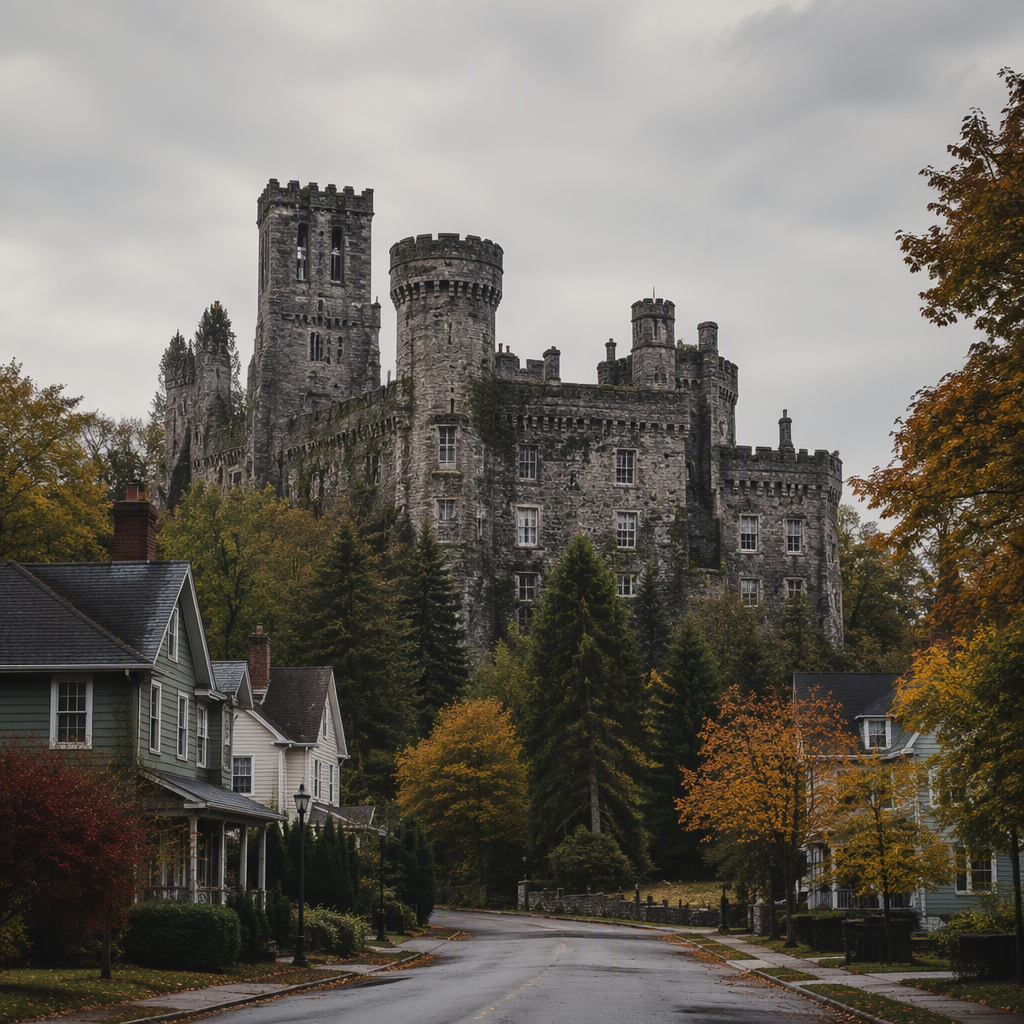
Across urban centers and rural valleys, America’s little-known castles stand as imposing relics of an era defined by industrial wealth, civil anxiety, and bold architectural ambition. While the United States is rarely associated with medieval battlements, dozens of formidable fortresses and castellated compounds sit tucked away in busy metropolitan neighborhoods and quiet countryside corners. Rather than housing European royalty, these structures were deliberately designed to display raw power, enforce civic authority, and showcase unprecedented private fortunes.
From monolithic military armories that anchored late 19th-century city streets to eccentric stone citadels built by Gilded Age tycoons, these monumental landmarks are hiding in plain sight. Today, historians, architects, and local preservationists are shedding renewed light on their complex origins and exploring how these defensive wonders can serve modern communities.
Also read: Historian Uncovers Direct Architectural Link Between Medieval Castles and US Forts
Architectural Symbols of Raw Power and Civic Defense
The rise of castle architecture in the United States reached its peak during the late 19th and early 20th centuries, driven in large part by profound social and economic transformation. Following the nationwide labor unrest of 1877, state governments and military leaders invested heavily in fortified urban armories. Architects adopted Romanesque Revival and Gothic styles, constructing thick granite walls, machicolations, corner bartizans, and crenelated parapets.
These massive stone fortresses served an explicit psychological purpose: to project unyielding strength and maintain civil order. In New York, the Seventh Regiment Armory on Park Avenue and the colossal Kingsbridge Armory in the Bronx rose like medieval bastions amidst growing neighborhoods. Inside, vast column-free drill sheds accommodated thousands of troops, while exterior watchtowers conveyed an aura of total invulnerability.
America’s Little-Known Castles Hiding Across the Nation
Beyond defensive municipal armories, America’s little-known castles include private residences and idiosyncratic landmarks scattered throughout diverse geographic regions. Many of these structures remain largely overlooked by mainstream tourism despite their breathtaking scale.
Bannerman Castle (New York)
Perched on Pollepel Island in the Hudson River, Bannerman Castle resembles a ruined Scottish keep. Military surplus merchant Francis Bannerman VI constructed the compound starting in 1901 to store massive caches of munitions and equipment. Today, its weathered towers stand as an evocative waterfront landmark visible to passing commuter trains.
Fonthill Castle (Pennsylvania)
Located in Doylestown, Pennsylvania, archaeologist and industrialist Henry Chapman Mercer built Fonthill Castle between 1908 and 1912. Crafted entirely from hand-mixed reinforced concrete, the fortress-like estate features 44 rooms, over 200 windows, and intricate decorative tiles, combining fortress architecture with early American craftsmanship.
Loveland Castle (Ohio)
Also known as Château Laroche, this stone fortification sits along the Little Miami River. Built almost entirely by hand over several decades by World War I veteran Harry Andrews, the castle features stonework hauled directly from the riverbed, complete with firing ports, battlements, and dry moats designed in homage to historic European fortifications.
Bishop Castle (Colorado)
Nestled in the San Isabel National Forest, Bishop Castle represents a towering monumental feat. Built single-handedly over decades by Jim Bishop, this soaring stone-and-iron structure features spiral staircases, expansive turrets, and a fire-breathing metal dragon, epitomizing the rugged independence of Western architectural oddities.
Preservation and Adaptive Reuse Challenges
Maintaining historic castle structures presents significant logistical and financial hurdles. The massive masonry, specialized stone carvings, and weathered parapets demand constant maintenance from skilled conservation specialists. In recent years, adaptive reuse has emerged as the most viable path to ensure their survival.
Many urban armories have found new life as cultural centers, sports complexes, and performing arts venues. The Park Avenue Armory now hosts world-class immersive theater and art installations, while historic estates such as Boldt Castle in the Thousand Islands and Singer Castle on Dark Island operate as educational museums and heritage travel destinations.
What Happens Next for America’s Historic Fortresses
Municipalities and historical trusts are expanding federal and state preservation grant programs to safeguard these architectural landmarks. Several neglected armories and private compounds are undergoing structural evaluations to convert underutilized drill halls into community centers, educational facilities, and affordable public spaces.
As interest in American architectural history grows, America’s little-known castles continue to reveal how the nation blended European fortification traditions with industrial might, preserving a dramatic chapter of history that remains visible to all who look closely.