
Italian Gelato Maker Using AI to Create Innovative New Flavours
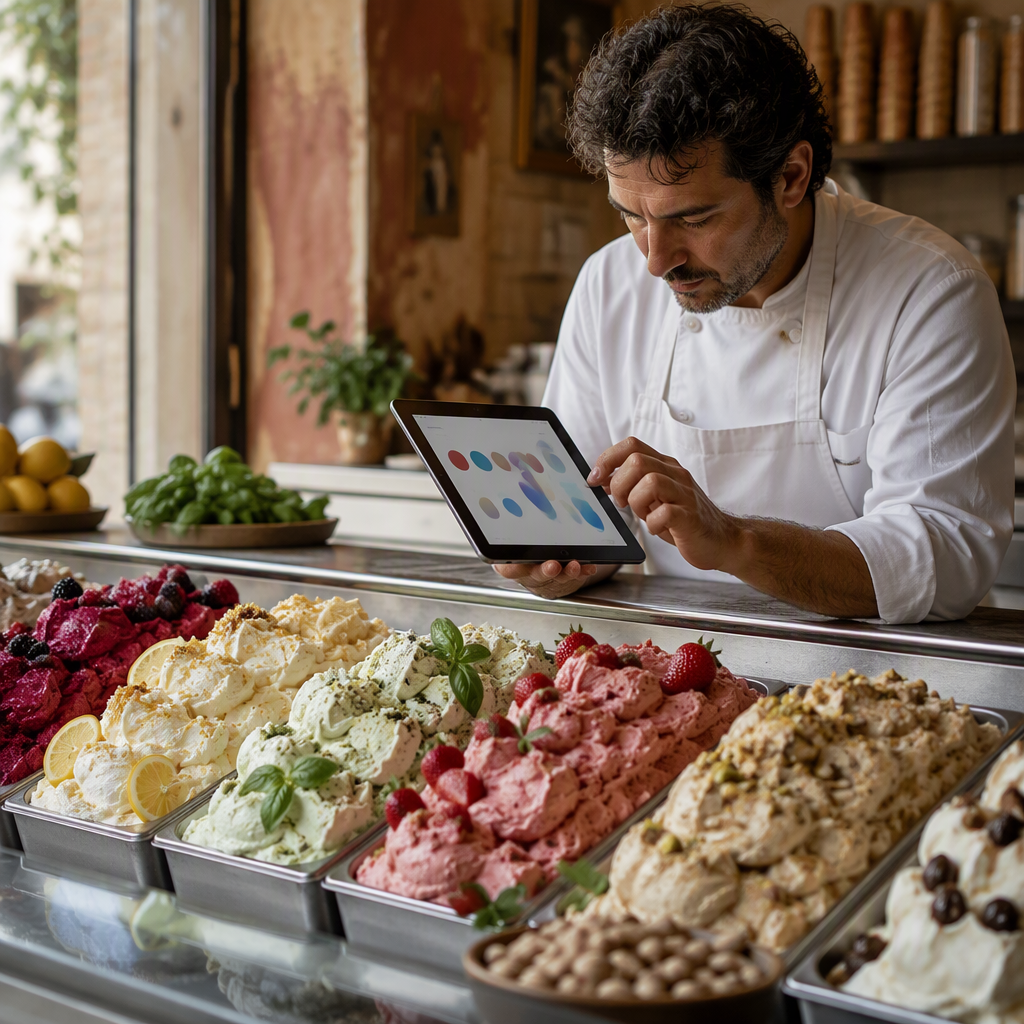
An innovative Italian gelato maker using AI is transforming traditional dessert craftsmanship by generating unexpected flavor pairings and reinterpreting centuries-old recipes for modern palates.
Artisans across Italy have long guarded their frozen confectionery formulas with fierce pride. However, culinary innovators are now blending machine learning algorithms with time-honored techniques to analyze thousands of aromatic compounds, seasonal ingredients, and consumer preferences.
Also read: The High-Tech Mission to Preserve a 17th-Century Shipwreck
Blending Culinary Heritage with Artificial Intelligence
The marriage of gastronomy and digital tools marks a notable departure from conventional confectionery development. Instead of relying solely on trial and error in the kitchen, computational models evaluate flavor pairing databases to propose recipes that human palates might never intuitively consider.
By assessing chemical similarities between botanical extracts, spices, fruits, and dairy fats, the artificial intelligence system generates balanced ingredient ratios. The human artisan then tests the generated formulas, fine-tuning texture, sweetness, and churn consistency to ensure compliance with strict artisan gelato standards.
How the AI Gelato Flavours Come to Life
The recipe creation workflow relies on deep data analysis combined with sensory testing. The software receives specific parameters, such as regional availability, seasonal fruit profiles, and desired nutritional metrics, before outputting complex flavor matrices.
Recent batches developed through this collaborative process have featured pairings such as caramelized white chocolate with smoked rosemary, and matcha tea infused with bergamot and salted pistachio. While the algorithm calculates molecular affinity, the gelato master controls temperature, overrun, and milk solids to achieve the signature creamy density that defines authentic Italian gelato.
Master artisans emphasize that technology serves as a creative partner rather than a replacement. The tactile knowledge required to assess milk quality and paddle resistance remains firmly in human hands.
Industry Reactions and Culinary Debates
The introduction of algorithmic recipe design has sparked discussions within Italy’s culinary circles. Traditionalists argue that authentic artisanal craft should stem purely from human intuition and regional heritage. They caution against commercializing artificial formulas that could undermine artisan heritage.
Conversely, progressive pastry chefs and industry analysts see generative technology as a powerful catalyst for reducing food waste and discovering sustainable ingredient substitutes. By accurately predicting balancing agents and emulsification behavior, the system can reduce the number of discarded trial batches during recipe experimentation.
What Happens Next
As computational tools become more accessible, specialty gelaterias throughout Europe and North America are beginning to monitor algorithmic flavor development. Industry observers anticipate that upcoming international confectionery expos will feature dedicated showcases for technology-assisted recipe development.
Looking ahead, software developers and culinary academies are collaborating to train customized models specifically on regional Italian ingredients, paving the way for hyper-localized, seasonal menus generated on demand.
Conclusion
The pioneering Italian gelato maker using AI demonstrates that modern technology and culinary tradition can elevate one another. By balancing machine-driven creativity with rigorous artisanal standards, modern makers are opening a bold new chapter in the art of dessert making.