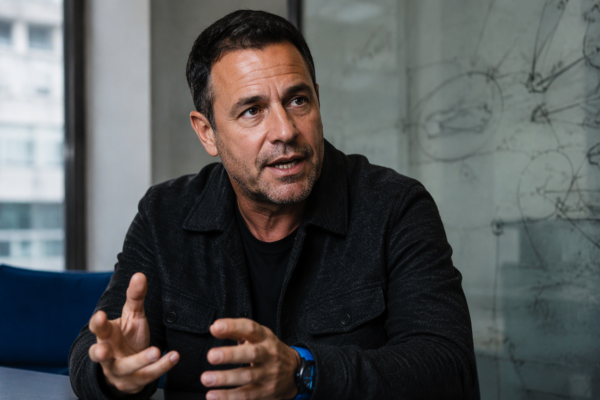

Entrepreneur Joanna Maiden has shared the story of her decision to relocate to East Africa at age 26, detailing the realities of establishing and scaling a fashion business in Kenya. Her journey highlights the challenges and opportunities foreign founders face when launching manufacturing and apparel enterprises on the African continent.
The Decision to Move and Launch an Enterprise
Relocating across continents in one’s mid-twenties presents significant logistical and cultural shifts. For Maiden, moving to Kenya was the first step in creating a dedicated clothing venture aimed at ethical apparel production and local capacity building.
Also read: UK Meat Industry Hit by Cyber-Attack Targeting European Supermarket Freezers
Starting a business abroad requires navigating new regulatory landscapes, establishing secure supply chains, and understanding local market dynamics. Maiden’s experience demonstrates how early career mobility can lead to impactful long-term business ventures.
Navigating the Realities of a Fashion Business in Kenya
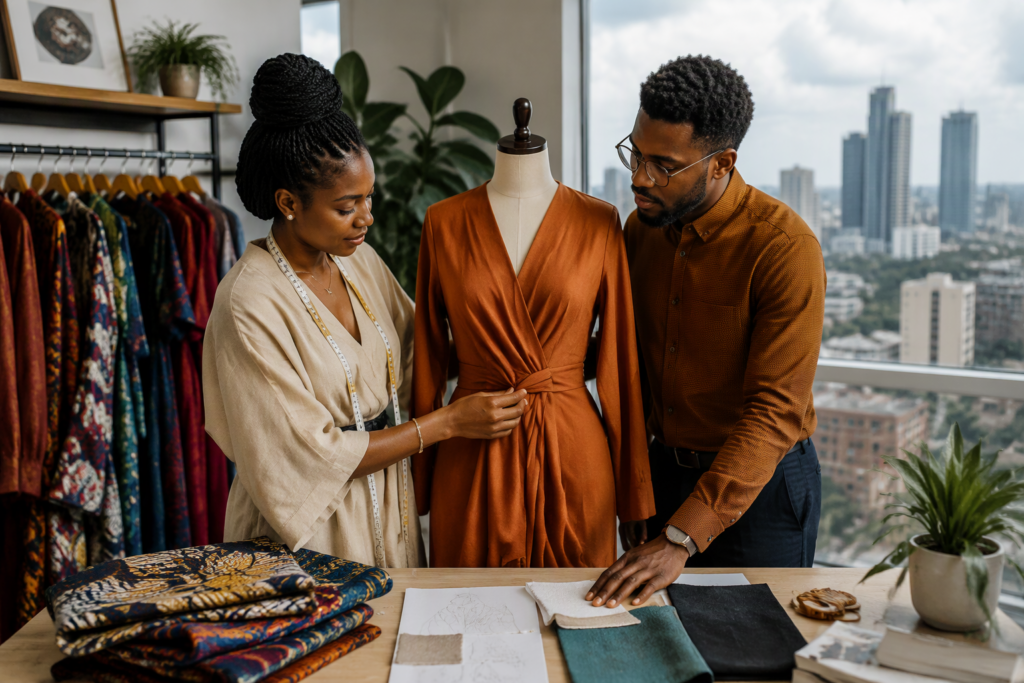
Building a sustainable fashion business in Kenya involves fostering domestic craftsmanship while meeting international production standards. Operating within Kenya’s growing textile and apparel sector requires resilience, particularly when managing infrastructure, sourcing quality materials, and building reliable production networks.
Entrepreneurs operating in the region often prioritize community engagement and skills development. By training local talent, clothing manufacturers contribute directly to job creation and sustainable economic empowerment in surrounding communities.
Growth and Opportunities in Regional Apparel Manufacturing
Kenya continues to position itself as a key hub for garment manufacturing in Africa. With favorable trade agreements and an expanding workforce, the country attracts investors and innovators looking to establish alternative, ethically minded manufacturing centers.
Founders navigating this space often bridge global fashion demand with African production capabilities. Through structured training and fair workplace practices, enterprises in the region demonstrate that competitive manufacturing can coexist with sustainable community development.
Key Takeaways for Global Founders
Maiden’s entrepreneurial path offers valuable insights for professionals considering international expansion or launching cross-border ventures. Entering an emerging market requires patience, adaptability, and a genuine commitment to local partnerships.
Her account emphasizes that while building a cross-cultural manufacturing operation involves distinct hurdles, targeted investment in local talent and clear operational objectives can build resilient, world-class enterprises.
Source: BBC