A groundbreaking Tourette’s device developed by researchers in Nottingham is offering newfound hope to people living with the neurological condition, with users reporting significant reductions in their daily symptoms.
Transforming Daily Life for Patients
For individuals dealing with severe tics, everyday activities and social situations can often feel overwhelming. Patients who have trialed the technology describe the experience as transformative, with one participant, Katie, calling her experience trying the unit the best day of her life.
Also read: Type 2 Diabetes Reversal Achieved in Over Half of Patients in Landmark Study
Katie is among multiple individuals who reported that the specialized equipment helped calm her symptoms substantially. People living with Tourette syndrome frequently experience involuntary movements and vocal sounds that can be difficult to manage, making effective, non-invasive relief options highly sought after.
How the Tourette’s Device Addresses Symptoms
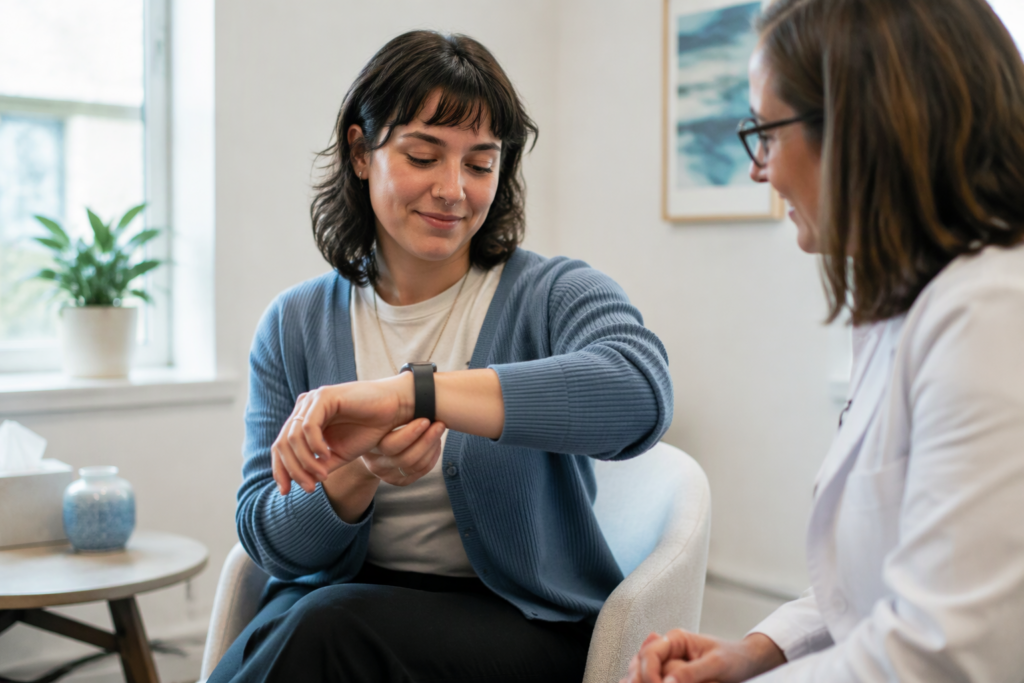
Engineered through dedicated research in Nottingham, the device works to help regulate neural signals linked to the generation of tics. By delivering rhythmic stimulation, the system seeks to intercept the urge that precedes involuntary actions, allowing users to experience greater control over their bodies.
Testing and user feedback have focused on making the device both practical and accessible for daily wear. Participants noted that mitigating tic frequency and severity provided immediate physical comfort while also reducing the mental fatigue associated with suppressing tics.
A Promising Step Forward in Neurological Care
Tourette syndrome is a neurological condition characterized by sudden, repetitive movements or sounds known as tics. Standard treatment approaches traditionally include behavioral therapy or prescription medications, which may not work for everyone and can carry unwanted side effects.
The positive responses from users like Katie mark a significant milestone in wearable neurological technology. As development continues, this approach represents an encouraging path forward for patients seeking dependable, non-pharmacological methods to manage their condition.
Source: BBC