Agriculture officials put down an entire backyard flock this week after lab tests confirmed a lethal case of bird flu in Wisconsin. The infected birds were discovered on a property in Rusk County, prompting immediate quarantine and disposal to prevent the pathogen from moving into broader commercial poultry lines.
The Wisconsin Department of Agriculture, Trade and Consumer Protection (DATCP) confirmed the detection on Thursday. State officials reported that all birds on the affected property were euthanized and will not enter the food system.
Also read: Cannabis Stroke Risk in Younger Adults Prompts Warning from Health Experts
How the infection hit Rusk County
State veterinarians identified the virus as highly pathogenic avian influenza, commonly known as HPAI. While officials confirmed the infection in the Rusk County backyard poultry flock, they did not disclose how the virus first reached the property.
The virus belongs to the influenza type A family and is often fatal to domestic birds such as chickens and turkeys. Its severity varies depending on the specific viral strain and the bird species involved, but domestic flocks exposed to the pathogen typically experience rapid, severe illness.
Tracking bird flu in Wisconsin and North America
The appearance of bird flu in Wisconsin is part of an ongoing wildlife health crisis across the continent. HPAI has circulated continuously among wild waterfowl and domestic poultry in North America since December 2021.
Wild birds can carry the virus along migratory flyways without showing obvious symptoms, shedding it through saliva, nasal secretions and droppings. Domestic flocks can contract the virus through direct contact with wild birds or by interacting with contaminated soil, water, feed, coops or tools.
Surveillance zones and poultry rules
Following the confirmation of bird flu in Wisconsin, state animal health officials have the authority to establish a 10-kilometer surveillance zone around the infected Rusk County property. This boundary allows veterinarians to monitor nearby birds for signs of illness.
Under current state protocols, neighboring farms and backyard coops inside the surveillance radius do not face mandatory movement restrictions for their birds or eggs. Even so, state veterinarians keep close watch on the area to catch any potential secondary outbreaks early.
What poultry owners need to do next
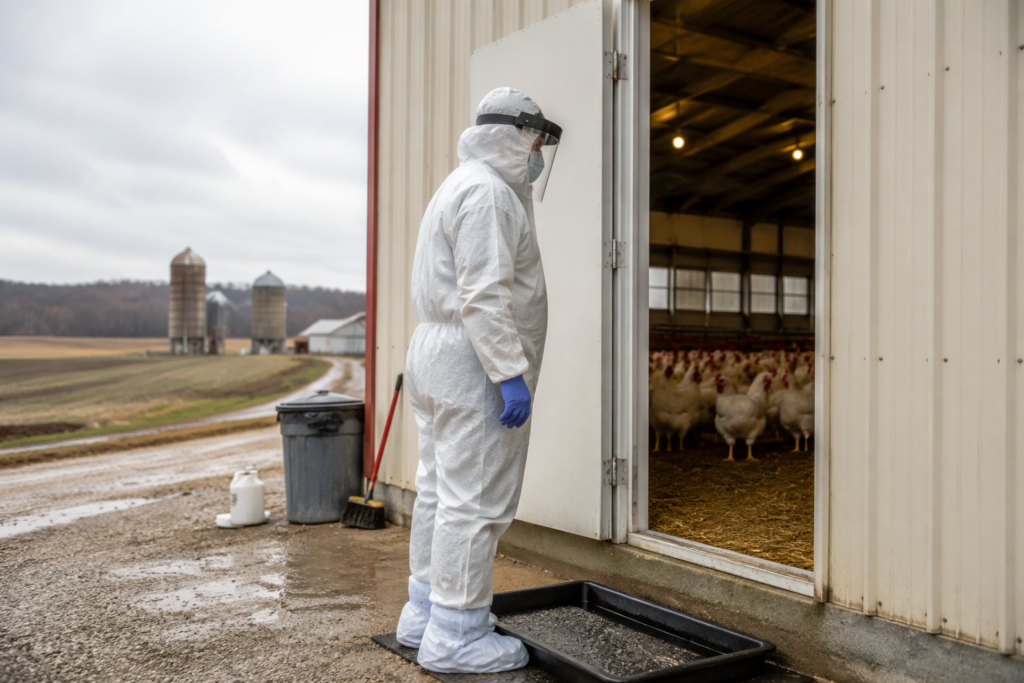
DATCP officials are warning anyone who raises birds to enforce strict biosecurity measures immediately. Because the virus travels easily on boots and tires, everyday chores can accidentally introduce the disease to healthy pens.
State guidelines advise livestock keepers to take several specific steps:
- Wash hands thoroughly before and after handling birds
- Clean and disinfect all boots, crates and feeding equipment
- Restrict visitor access to coops and pens
- Isolate any newly acquired birds for at least 30 days
- House domestic birds indoors whenever possible to avoid wild bird contact
State monitors will continue surveillance in Rusk County over the coming weeks to verify that no neighboring flocks have contracted the virus.
Source: Fox News