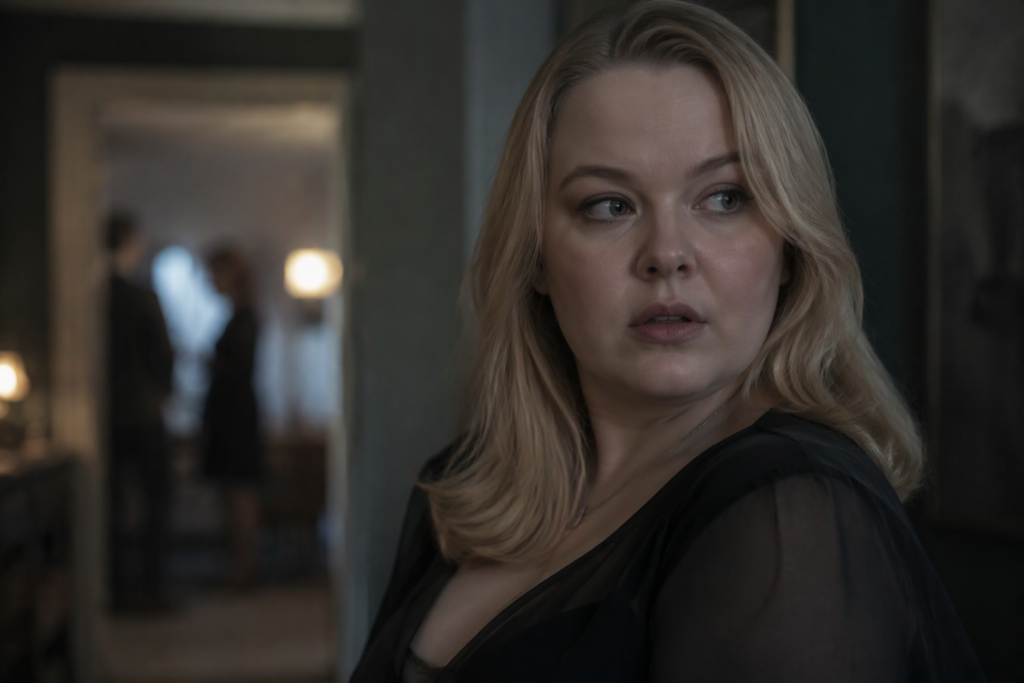
A child fresh out of foster care returns to a mother who cannot cope, clutching a pad of paper to keep his terror under control. That raw domestic breaking point forms the spine of Sketchbook, an upcoming Billie Piper horror film that turns family breakdown into supernatural dread.
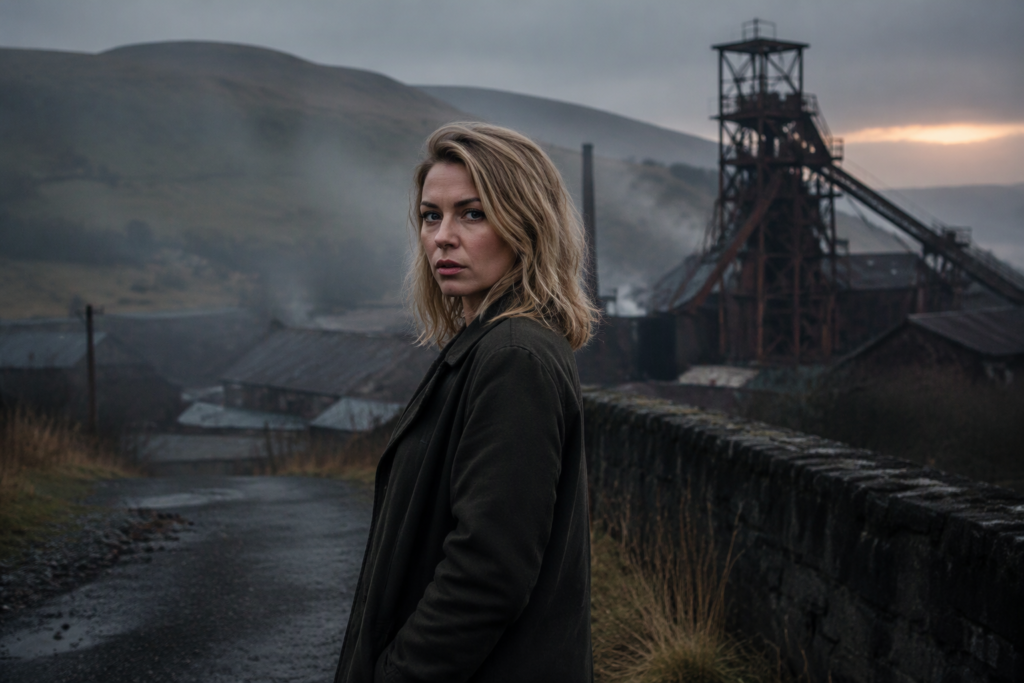
The production plants Piper and young co-star Woody Norman on the foggy fringes of industrial South Wales. Instead of relying on haunted mansions or ancient curses, the story draws its terror directly from the strain of poverty, isolation, and social care.
Also read: Sir Tom Jones Reveals Health Scare: Singer Feared He Was Dying
For viewers fatigued by generic ghost stories, this project matters because it grounds its chills in recognizable working-class friction. The film treats emotional abandonment as a monster in its own right, testing whether genre cinema can tackle social care without losing its bite.
A reunion twisted by supernatural terror
The plot centers on a fractured household trying to piece itself back together. Norman plays a young boy released from foster care back into the care of his mother, played by Piper. She is a single, working-class parent who previously required a break and external support because she simply could not manage.
As the boy steps back across the threshold, the emotional damage of separation lingers. He feels pushed away, and that hurt creates the crack where the supernatural forces enter the house.
Swansea-born filmmaker Jamie Jones, who won a BAFTA Cymru breakthrough award for his debut feature Obey, wrote and directs the project. He structured the supernatural elements to mirror real domestic collapse rather than distract from it.
“This horror then starts to unfold is kind of like a metaphor for families that are in impossible situations.”
The boy’s primary defense mechanism gives the title its name. He draws compulsively in a notebook to process complex feelings and regain an illusion of stability. Soon, his sketched anxieties begin colliding directly with the physical world around him, escalating the household nightmare into a rapid downward spiral.
Why Jamie Jones cast Billie Piper as a struggling mother
Jones wrote the central role with a specific kind of worn resilience in mind. He did not want an aloof genre heroine; he wanted someone who felt entirely authentic to working-class life.
Piper made her name in mainstream television fixtures like Doctor Who, Secret Diary of a Call Girl, and Netflix’s Collateral. Yet it was her raw, vulnerable turn in the 2018 independent psychological drama Two for Joy that convinced Jones she could shoulder this Billie Piper horror role.
He described Piper’s screen presence as warm, loyal, and salt-of-the-earth, capturing a parent trying her hardest while the odds remain stacked against her. Her character is not malicious or neglectful by choice, but simply overwhelmed by circumstances beyond her control.
Jones paired her with Norman, one of Britain’s most capable young performers, to ensure the fractured mother-son bond felt painfully credible before any paranormal frights begin.
Old iron towns provide the visual grit
The production will stage its cameras on the perimeter of historic Welsh industrial settlements, focusing on the terrain surrounding Merthyr Tydfil and Aberdare. Jones deliberately chose the former ironworking belt for its texture, its heavy history, and its sharp visual contrasts.
Growing up in Swansea gave the director an intimate feel for these communities. While he intends to capture the distinct look and dry humor of the valleys, he plans to keep the exact fictional town unnamed.
You might wonder whether Piper and Norman will sound local on screen. Jones has not yet decided if his lead actors will adopt regional Welsh accents, because character nationality is not the focal point of the story.
The production emphasizes several core elements to establish its world:
- The visual weight and rugged geography of former South Wales iron towns.
- A tight narrative grounded in class barriers and economic hardship.
- Subtle cultural nuances woven into the background without alienating global audiences.
By keeping the geographical specifics loose, Jones aims to ensure the family’s financial and emotional struggles resonate across borders. In his view, allowing Welsh settings to hold universal stories helps regional filmmaking thrive internationally.
Cameras roll in February
Jones is pulling heavily from his personal history to construct the film’s psychological layers. He has incorporated his own experiences with mental health challenges, neurodiversity, and the rigid realities of systematic care into the script.
He insists the project must offer substantial emotional weight beneath the thrills, arguing that viewers need something meaty to chew on alongside the scares. The horror genre simply provides a vessel to bring difficult, overlooked domestic topics to a wider audience.
The production team is currently finalizing pre-production details, with principal photography scheduled to begin across South Wales in February.
Source: BBC