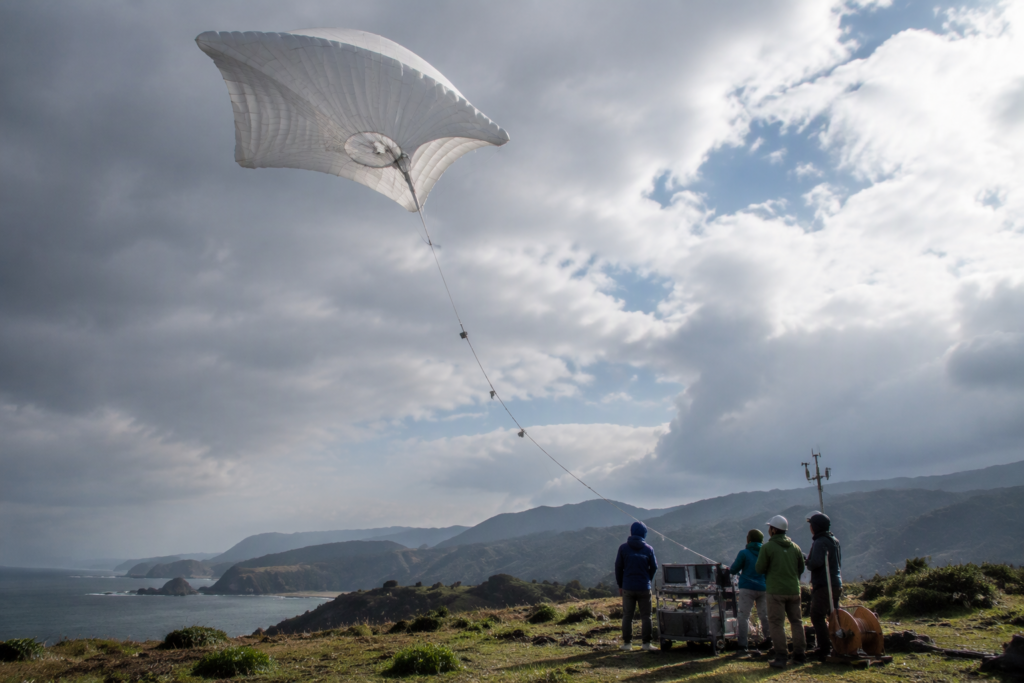
Floating high above the ground, an airborne mesh curtain could soon stand between vulnerable towns and devastating storms. A team of engineers in Japan is testing whether a colossal, tethered kite can hold back water vapor before it turns into catastrophic flash flooding. The experimental japan weather modification system aims to slow coastal winds and knock out 20 to 30 percent of the water carried inland by heavy rain fronts.
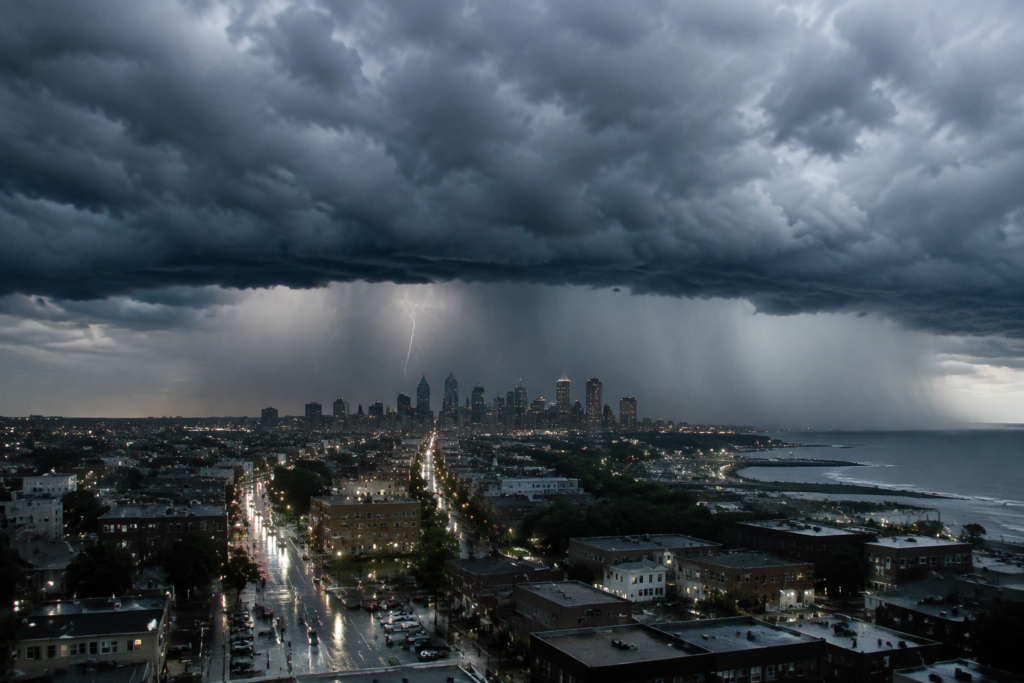
Extreme storms and torrential downpours have repeatedly battered Japanese communities in recent years, triggering lethal landslides and overwhelming urban storm drains. Traditional concrete seawalls and drainage tunnels cost billions to build and take decades to complete. This aerial approach aims to offer a rapid, deployable shield when severe downpours threaten populated valleys.
Also read: Could a Super El Niño Polar Vortex Disruption Reshape Winter Weather?
How the mesh curtain rain barrier works
The design relies on a massive kite that lifts a permeable fabric screen into the lower atmosphere. Instead of trying to stop incoming storms through cloud seeding or chemical dispersants, the structure acts as a physical filter.
As moisture-heavy air streams off the sea, the netting forces incoming gusts to decelerate. By creating an atmospheric drag zone, the system encourages water droplets to condense and fall offshore or dissipate before crossing mountain ridges. The primary goal is reducing heavy rainfall over land, shaving off the peak volumes that cause rivers to burst their banks.
Why automakers joined the weather modification kite effort
Developing an aircraft-sized canopy capable of withstanding turbulent gale-force winds requires specialized mechanical engineering and aerodynamic modeling. That challenge brought the industrial muscle of the toyota weather project into the program.
Engineers are working to ensure the tethered system can launch quickly, hold its position against shifting storm cells, and reel back in safely once the danger passes. While physical barriers on the ground redirect water that has already fallen, intercepting atmospheric vapor offers a rare way to intervene before moisture reaches soil or streets.
The search for extreme weather protection
Emergency planners have long sought flexible defenses against sudden, localized rain bands that stall over narrow river basins. Even a modest reduction of 20 to 30 percent in total precipitation can keep urban sewers from backing up and prevent hillsides from liquefying into mud.
Questions remain about how such a structure will behave during sudden wind shears and whether deploying large aerial obstacles could interfere with coastal airspace. Researchers continue wind-tunnel evaluations and low-altitude flight tests to prepare the system for full-scale storm trials off the Japanese coast.
Source: BBC