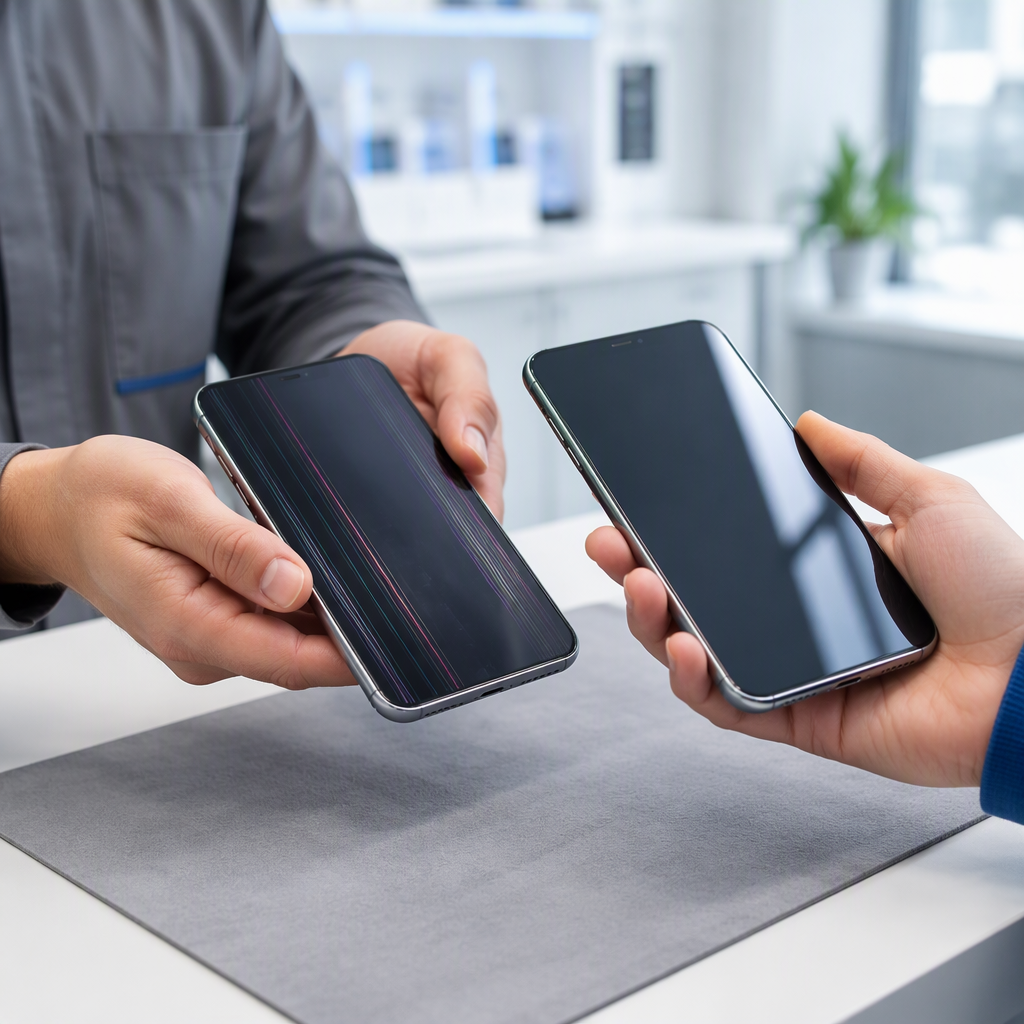

Apple to Replace iPhone Duos Affected by an iPhone Screen Problem
Apple has moved to assist customers facing unexpected display failures, authorizing service channels to inspect and repair select handset pairs experiencing an unresolved iPhone screen problem. The move comes following sustained reports from users who encountered sudden display glitches, blank panels, and unresponsive touch layers during routine daily use.
According to service communications and retail support guidance, authorized technicians will offer display replacements to eligible owners whose devices show clear signs of hardware failure unrelated to accidental drops or external damage.
Also read: AI Opportunity Divide Threatens to Deepen Global Inequality, UN Official Warns
Understanding the iPhone Screen Problem and Eligible Models
The reported iPhone screen problem primarily manifests as persistent visual anomalies. Impacted users report symptoms such as vertical green or white lines running across the OLED panel, severe flickering, intermittent touch responsiveness, or entire screens turning completely white or black while the internal hardware continues operating in the background.
These issues have surfaced most prominently across paired model generations—frequently referred to as product duos, such as standard and Plus variants or Pro and Pro Max configurations. While software updates initially attempted to stabilize panel calibration, technical evaluations revealed that select batches suffer from hardware-level flex-cable degradation or driver controller stress caused by heat and prolonged refresh-rate cycling.
Technicians will evaluate devices on an individual basis. To qualify for a no-cost component replacement, the handset must satisfy several conditions:
- The phone must exhibit the documented display glitch or touch failure.
- The front panel must be free of cracks, deep chips, or evidence of severe physical impact.
- Internal liquid contact indicators (LCIs) must remain untriggered.
- The display must be an original component that has not undergone unauthorized third-party repairs.
Service Procedures and Warranty Coverage
Apple typically manages widespread hardware defects through targeted service programs or extended warranty exceptions handled via Apple Authorized Service Providers (AASPs). For handsets within the standard one-year warranty or covered under active AppleCare+ plans, repairs proceed under normal guarantee terms.
For out-of-warranty units, Apple has granted regional service discretion in several international markets. When a device displays verified manufacturing flaws without external damage, authorized technicians can waive out-of-warranty screen replacement fees. However, if a device has preexisting physical damage—such as a shattered rear glass or damaged chassis—customers may need to resolve those issues before technicians complete the screen replacement.
Steps Customers Should Take Before Seeking Service
Apple advises all users experiencing screen defects to complete several standard diagnostic and data protection steps prior to visiting a repair location:
- Perform a Full Backup: Back up all personal data, photos, and messages using iCloud, a Mac, or a Windows PC to prevent accidental data loss during the servicing process.
- Run Built-In Diagnostics: Connect with Apple Support online or via the Apple Support app to run remote hardware diagnostics if the touchscreen remains partially functional.
- Disable Activation Lock: Prepare to turn off Find My on the device, as service centers cannot initiate hardware repairs while Activation Lock remains active.
- Schedule an Appointment: Book a slot at an Apple Store Genius Bar or an authorized service partner to minimize turnaround delays.
What Happens Next for Affected Users
Turnaround times for screen replacements generally range from same-day service at flagship Apple retail stores to several business days if parts require regional depot routing. Apple continues to evaluate failure rates across international production batches to decide whether a formal worldwide service program page is warranted on its public support portal.
As smartphone display technology advances toward higher peak brightness and variable refresh rates, swiftly resolving this iPhone screen problem remains critical for Apple to protect its reputation for hardware reliability and premium user experience.