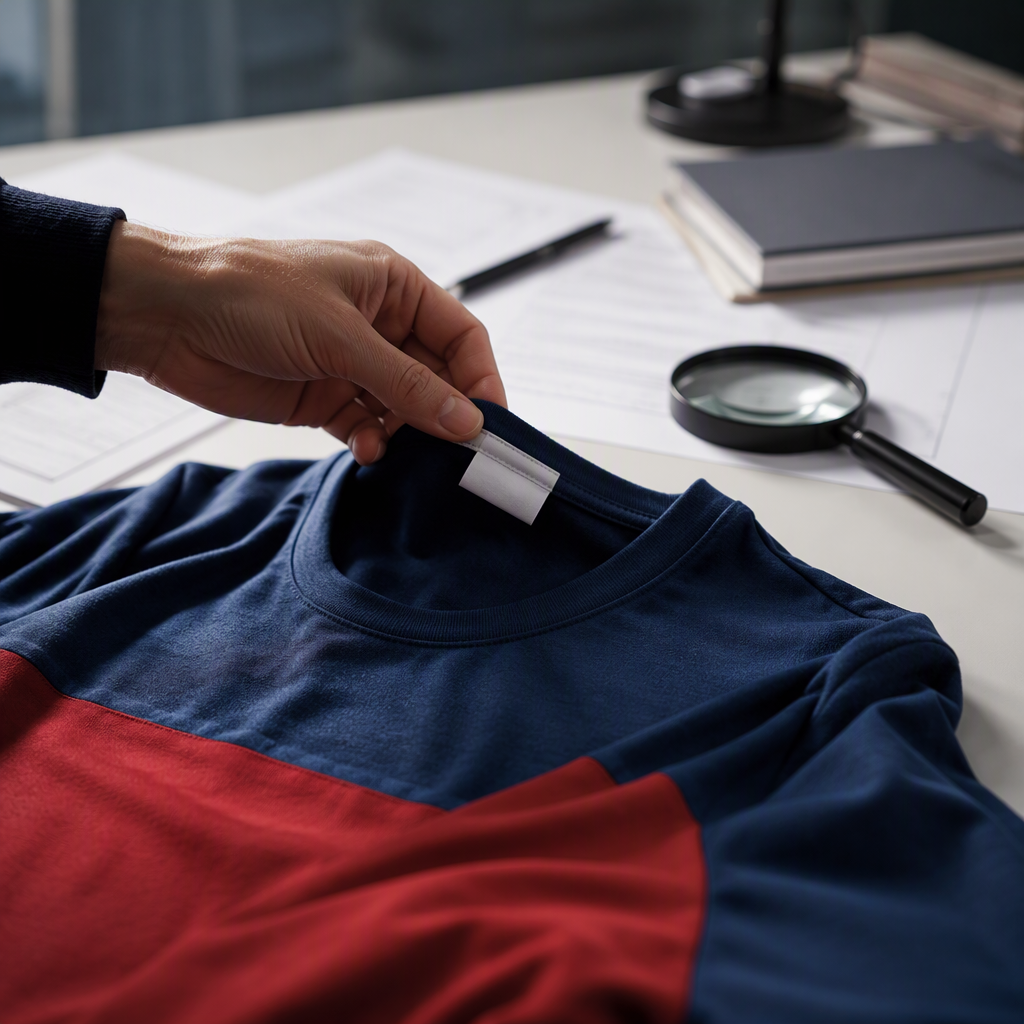

Before You Buy That Political T-Shirt, Here’s What Investigators Just Uncovered
Consumers eager to show support for their favorite candidates are driving record sales in campaign apparel, but consumer protection watchdogs and election integrity researchers are urging caution before shoppers click “buy now.” A series of recent investigations into online retail storefronts has revealed widespread deceptive practices surrounding unofficial political merchandise, warning buyers that their hard-earned money may not be going where they think.
When voters purchase a political T-shirt online, many assume the proceeds directly support a political campaign, political action committee (PAC), or aligned grassroots cause. However, investigative findings indicate that a vast majority of apparel advertised across social media feeds is produced by third-party drop-shippers, offshore commercial networks, and unregulated print-on-demand operations with zero ties to political campaigns.
Also read: Why Elections in Israel Rarely Produce Meaningful Political Change
The Proliferation of Unofficial Campaign Stores
Investigators examining thousands of targeted social media ads found an explosion of newly registered domains mimicking official campaign storefronts. These digital storefronts often feature candidate logos, campaign slogans, and recognizable political branding to create the illusion of an authorized fundraiser.
According to consumer advocacy organizations and digital watchdog groups, several common issues dominate this unregulated market:
- Misleading Fundraiser Claims: Many websites use language suggesting that purchases “fund the fight” or “support the movement,” despite having no legal registration as a campaign committee or PAC.
- Foreign Commercial Entities: Analysis of domain registration records and supply chains shows that numerous high-volume vendors are commercial firms based outside the United States, designed solely to profit from partisan enthusiasm.
- Intellectual Property Violations: Vendors routinely appropriate copyrighted campaign artwork, trademarked slogans, and high-resolution press photos without permission.
- Substandard Quality and Non-Delivery: Reports filed with the Better Business Bureau (BBB) cite recurring complaints of severe shipping delays, missing orders, unfulfilled refund requests, and poor fabric quality.
Why Political T-Shirts Carry Financial and Legal Risks
Buying unofficial campaign apparel is not merely a product quality concern; it also carries distinct financial and legal implications for consumers. When individuals purchase official merchandise directly from a candidate’s verified website, federal election regulations govern the transaction. Under federal law, purchases from registered political committees count as political contributions, which require strict disclosure and contribution limit compliance.
In contrast, when consumers buy a political T-shirt from a commercial third party, the transaction is treated as standard commercial retail. None of the purchase price counts toward candidate filings, and none of the funds assist campaign operations on the ground.
Furthermore, cybersecurity researchers have identified data privacy risks associated with unvetted apparel stores. Questionable sites frequently collect personal details—such as email addresses, phone numbers, and physical addresses—only to resell the information to marketing brokers, data aggregators, or aggressive fundraising spam lists.
How to Spot Deceptive Political Apparel Vendors
Consumer protection agencies recommend several practical steps for shoppers looking to avoid counterfeit shops and commercial opportunists:
- Check the Domain URL: Official campaign stores are hosted directly on the candidate’s official, verified campaign website (typically ending in an official domain name rather than a generic or misspelled variation).
- Look for the Disclaimers: Authentic campaign merchandise features a mandatory Federal Election Commission (FEC) disclaimer, stating who paid for and authorized the communication or merchandise (e.g., “Paid for by [Campaign Name]”). Commercial pop-up shops lack this legal notice.
- Inspect the About Page and Contact Details: Legitimate operations disclose physical business addresses and functional customer service channels. Suspect storefronts frequently display template text, missing contact numbers, or non-functional email addresses.
- Beware of Social Media Ad Hype: Flash-sale promotions and countdown timers designed to generate artificial urgency are hallmark tactics used by temporary drop-shipping portals.
What Happens Next
With high-profile election cycles accelerating digital retail spending, state attorneys general and consumer protection agencies are ramping up monitoring of deceptive online advertising. Watchdog groups are calling on major social media platforms to enforce stricter advertising verification for merchandise sellers using candidate likenesses.
In the meantime, the burden remains on voters to verify the source of their apparel. Before ordering your next political T-shirt, taking an extra minute to verify the retailer ensures your dollars actually support the cause you believe in rather than opportunistic commercial ventures.