
Why the US Midterms Matter Around the World: Global Impact Explained
Every two years, American voters head to the ballot box to determine the makeup of the United States Congress. While domestic concerns like healthcare, inflation, and local governance often dominate campaign debates, the ripple effects extend far beyond American borders. Understanding why the US midterms matter to international observers reveals how deeply domestic legislative power shapes global diplomacy, international trade, and security pacts.
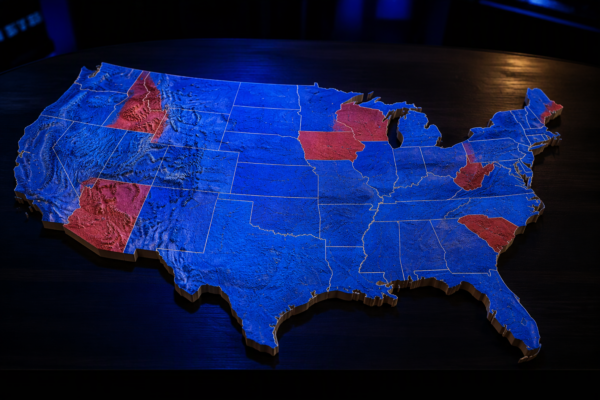
The midterm elections decide all 435 seats in the U.S. House of Representatives and roughly one-third of the 100 seats in the U.S. Senate. The balance of power established on Capitol Hill directly dictates a president’s capacity to govern, pass budgets, approve treaties, and fund international initiatives.
Also read: Why India Soured on Trump Ahead of US Midterms: Trade, Visas, and Strategic Realities
A Direct Check on Presidential Foreign Policy
Under the United States Constitution, the president serves as commander-in-chief and leads diplomatic efforts. However, Congress holds the “power of the purse.” Without legislative approval, no administration can sustain foreign aid, military assistance, or major treaty commitments.
When the opposition party gains control of either chamber of Congress, the president faces legislative gridlock. International allies and adversaries watch these shifts closely. A divided government often forces the White House to scale back ambitious overseas commitments or confront protracted oversight hearings regarding ongoing conflicts and defense partnerships.
Global Economic Repercussions and Trade
The United States remains the world’s largest economy. Major economic decisions made in Washington—such as tax reform, regulatory adjustments, and trade legislation—inevitably alter international markets, currency valuations, and global supply chains.
Congressional leadership determines the trajectory of trade agreements, tariff authorizations, and sanctions policy. When midterm results usher in factions favoring economic protectionism, international trading partners in Europe, Asia, and the Americas often face renewed barriers or stalled bilateral negotiations.
Aid, Defense Spending, and Geopolitical Alliances
From NATO funding to humanitarian assistance programs across Africa and Latin America, global programs rely heavily on congressional appropriations. A shift in House or Senate majorities can alter the volume and conditions of overseas aid.
Bipartisan consensus on foreign aid has grown increasingly fragile. Midterm elections test whether long-standing defense commitments and emergency relief packages will continue smoothly or encounter intense budgetary scrutiny on Capitol Hill. For nations locked in regional security crises, the composition of congressional foreign affairs committees is a critical strategic factor.
Climate Accords and Global Energy Policy
International environmental agreements depend on meaningful implementation by major carbon emitters. Legislative majorities in Washington decide whether green energy incentives, carbon reduction targets, and international climate finance receive sustained federal funding.
When control of Congress flips, clean energy initiatives often face resistance, while traditional fossil-fuel development may receive fresh backing. Such policy swings influence international climate conferences and complicate long-term commitments under agreements like the Paris Accord.
Why the US Midterms Matter for Democratic Precedent
Beyond concrete policies, American elections carry symbolic weight across the democratic world. The conduct of U.S. elections, voter participation rates, and the peaceful transfer of legislative authority serve as benchmarks for democratic stability internationally.
When electoral administration runs smoothly and results are accepted across the political spectrum, democratic institutions gain international credibility. Conversely, electoral friction and institutional gridlock offer strategic talking points to authoritarian competitors seeking to discredit democratic models of governance.
What Happens Next?
Following any midterm election, newly elected lawmakers take office in early January, immediately reorganizing congressional committees and setting legislative agendas. Foreign governments will track leadership appointments on key panels, including the Senate Foreign Relations Committee and the House Foreign Affairs Committee.
Global financial institutions and diplomatic missions will calibrate their long-term strategies based on Washington’s new balance of power, recognizing that the legislative environment established by the midterms defines American foreign policy until the next presidential race.
Conclusion
Domestic voter concerns may drive the ballots cast in American polling precincts, but the consequences reverberate across continents. From defense commitments and international treaties to climate initiatives and trade regulations, understanding why the US midterms matter is vital for anyone following modern international relations.