
New 123.4-Proof Whiskey Prompts Expert Warning That Stronger Isn’t Always Better
The release of a potent new 123.4-proof whiskey has sparked renewed debate across the spirits industry, prompting sensory specialists and master distillers to warn consumers that higher alcohol levels do not necessarily translate to a superior drinking experience. While barrel-proof offerings continue to draw enthusiastic collectors seeking raw intensity, beverage experts caution that extreme potency can easily compromise delicate tasting notes and numb the palate.
At 123.4 proof—representing 61.7 percent alcohol by volume (ABV)—the bottling sits well above the standard 80 to 90 proof common in commercial retail offerings. As distillers push proof points higher to satisfy demand for uncut spirits, industry professionals urge drinkers to consider the sensory science behind high-octane pours.
Also read: Warning Signs Your Adult Child Is Quietly Cutting You Off, According to Family Experts
The Growing Demand for High-Proof and Cask-Strength Spirits
Over the past decade, consumer preferences in the whiskey sector have shifted noticeably toward cask-strength, barrel-proof, and unfiltered expressions. Whiskey aficionados often prize these bottles because they represent liquid directly from the aging barrel without dilution, preserving rich wood tannins and concentrated esters.
Distilleries have responded by packaging high-proof releases as premium luxury products. These limited-edition batches often command premium shelf prices and generate intense secondary-market buzz. However, tasters increasingly face proof levels that challenge human sensory thresholds, raising questions about drinkability versus collector prestige.
Why Spirits Experts Warn That 123.4-Proof Whiskey Isn’t Always Better
Despite the commercial enthusiasm surrounding high-proof offerings, industry veterans point out critical drawbacks when evaluating a 123.4-proof whiskey neat. At concentrations above 60 percent ABV, ethanol fumes can overpower olfactory receptors, masking the nuanced vanilla, stone fruit, and spice aromas developed through years of barrel maturation.
Sensory scientists emphasize that high alcohol concentrations irritate the trigeminal nerve, which creates a burning sensation on the tongue and throat rather than genuine flavor perception. When the palate encounters extreme proof without tempering, the numbing effect can temporarily desensitize taste buds for subsequent sips.
The Science of Dilution and Flavor Release
Whiskey chemistry demonstrates that adding water is not a sign of weakness, but a deliberate method for flavor release. In 2017, Swedish researchers Björn Karlsson and Ran Friedman published a landmark study showing that guaiacol—a chemical compound responsible for classic smoky and woody aromas—migrates toward the liquid’s surface when alcohol concentration decreases.
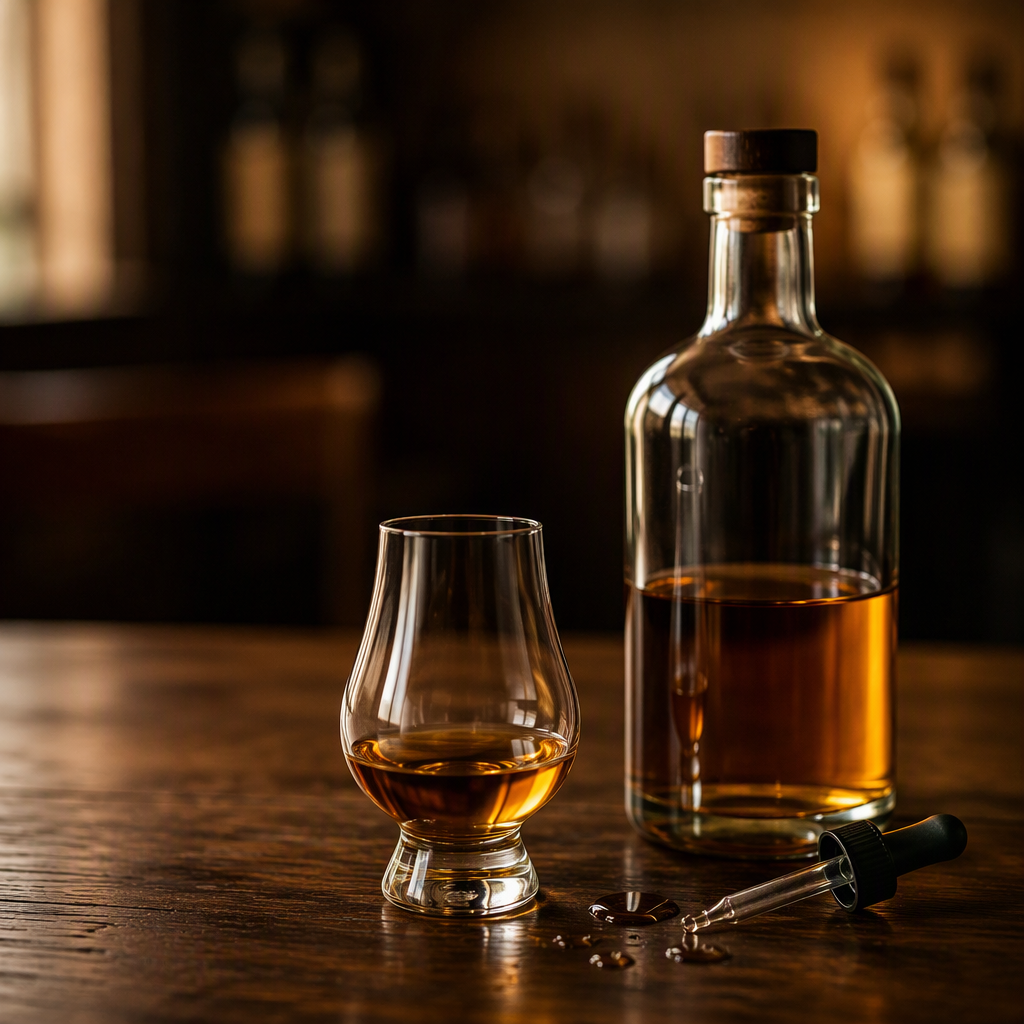
In ultra-high-proof spirits, aroma compounds remain trapped within the bulk liquid by concentrated ethanol clusters. Introducing even a few drops of room-temperature water breaks the surface tension, releasing volatile aromatic compounds and softening ethanol astringency.
Best Practices for Tasting High-Octane Pours
- Nose cautiously: Keep your nose slightly above the glass rim with your mouth parted to avoid alcohol vapor burn.
- Start with a drop: Take a tiny sip to coat the palate before taking a full swallow.
- Add filtered water: Gradually introduce droplets of water to observe how layers of caramel, grain, and oak unfold.
- Allow resting time: Give uncut whiskey 10 to 15 minutes in a tulip-shaped glass before evaluating.
What Happens Next in the Whiskey Market
Retail analysts expect demand for barrel-proof selections to remain robust, driven by enthusiasts who prefer having control over dilution at home. Major distilleries will likely continue bottling cask-strength editions, but educational campaigns from spirits clubs and tasting rooms are increasingly guiding consumers on responsible dilution techniques.
At the same time, competitive spirits judging panels are placing greater scrutiny on balance over raw strength, signaling to producers that alcohol integration remains the primary hallmark of craftsmanship.
Conclusion
The arrival of this 123.4-proof whiskey reflects an evolving market hungry for intense, uncut expressions. Yet, as sensory professionals make clear, high alcohol by volume is a delivery vehicle rather than a measure of quality. By understanding how proof impacts flavor perception, whiskey enthusiasts can appreciate these formidable bottlings for their authentic craft without letting excess heat overshadow the pour.