
Cooling Mattresses for Hot Sleepers: Why Nectar Is Attracting Attention in Consumer Sleep Tests
Rising nighttime temperatures and growing awareness of sleep hygiene have fueled unprecedented demand for cooling mattresses for hot sleepers. Among the crowded direct-to-consumer bedding market, Nectar Sleep has positioned its cooling-focused foam and hybrid lineup as a primary contender for consumers struggling with nocturnal overheating. Recent consumer performance reviews and sleep laboratory evaluations point to key material innovations that explain why the brand remains central in discussions around thermal regulation.
The Rising Demand for Cooling Mattresses for Hot Sleepers
Thermal discomfort ranks among the leading causes of fragmented sleep, according to clinical sleep research. Traditional memory foam earned a persistent reputation for trapping body heat due to its dense, closed-cell structure. As a result, shoppers seeking cooling mattresses for hot sleepers increasingly demand products that actively dissipate heat rather than merely absorbing it.
Also read: This Layla Pillow Delivers Reliable Side-Sleeping Support — Now $119
Mattress manufacturers have responded with specialized phase-change materials, open-cell architectures, and hybrid coil bases designed to promote continuous airflow. Within this competitive segment, brands face scrutiny over whether their cooling claims translate into measurable temperature drops throughout an eight-hour sleep cycle.
How Nectar Engineers Temperature Regulation in Memory Foam
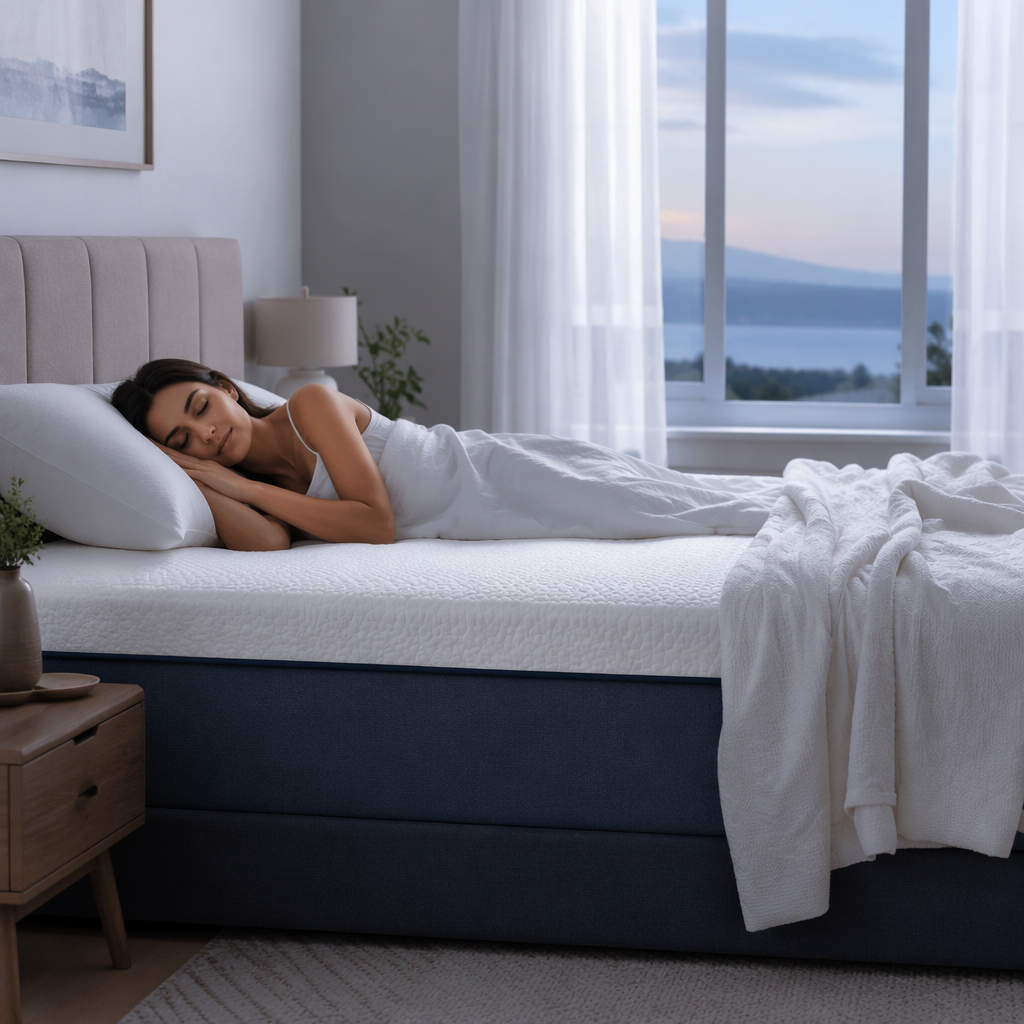
Nectar addresses the historic drawbacks of viscoelastic foam through a layered thermal mitigation approach across its Premier and Luxe models. Rather than relying on standard polyurethane layers, the company incorporates several targeted cooling components:
- Phase-Change Covers: Higher-tier Nectar models utilize cooling covers woven with polyethylene and phase-change materials (PCM) engineered to draw heat away from the skin upon immediate contact.
- Gel-Infused Memory Foam: The upper comfort layers feature gel-infused foam that prevents heat buildup around high-pressure contact zones like the shoulders and hips.
- Breathable Airflow Layers: Transition layers feature open-cell contouring designed to channel air outward, preventing convective heat traps beneath the body.
- Hybrid Pocketed Coils: In hybrid variants, independently wrapped steel coils replace solid support cores, creating open air chambers that dramatically increase baseline airflow.
Memory Foam vs. Hybrid: Where Nectar Stands Among Competitors
Industry analysts note that while all-foam mattresses naturally retain more warmth than innerspring alternatives, Nectar’s hybrid iterations bridge the thermal gap effectively. By combining temperature-responsive textiles with pocketed coils, the Nectar Premier Hybrid and Ultra Hybrid provide structural ventilation that appeals directly to severe chronic night sweaters.
Market competitors such as Purple rely on hyper-elastic polymer grids, while brands like GhostBed leverage synthetic ice fabrics. Nectar’s strategic differentiator remains its balance of classic contouring pressure relief with accessible price points, backed by a 365-night trial and lifetime warranty. For budget-conscious shoppers who prefer the hugging sensation of foam without the stifling heat, Nectar serves as a recurring industry benchmark.
What Consumer Testing and Sleep Data Reveal
Independent testing labs evaluating thermal dissipation report that Nectar’s cooling covers consistently register cooler surface temperatures during initial contact. Thermal imaging assessments confirm that heat dissipation rates perform above the category average for memory foam products, though consumers in warmer climates often report higher satisfaction with the hybrid configurations than with the flagship all-foam model.
Sleep ergonomics specialists emphasize that room temperature, breathable bed linens, and bed frame ventilation also impact mattress thermal performance. Even the most capable cooling design requires a complementary environment to sustain optimal microclimate regulation.
What Happens Next in Sleep Technology
As consumer demand for thermal neutrality intensifies, mattress brands are expanding investments in biometric tracking and active cooling systems. Industry insiders expect future product generations from major direct-to-consumer labels, including Nectar, to integrate advanced moisture-wicking bio-fibers and enhanced phase-change coatings to remain competitive against emerging active-cooling technologies like water-chilled and fan-assisted pads.
Conclusion
Navigating the expanding market of cooling mattresses for hot sleepers requires balancing material breathability, pressure relief, and long-term value. Nectar’s strategic integration of heat-dissipating gel layers, cooling covers, and ventilated coil hybrids offers hot sleepers a scientifically grounded solution to nighttime overheating without sacrificing the comfort benefits of contouring memory foam.