
Inside the Eerie Landscapes of England’s Witch Country: History and Haunting Moors
Across the windswept moors of Lancashire and the mist-laden marshes of East Anglia, the striking landscapes of England’s witch country continue to draw historians, hikers, and folklore enthusiasts. These ancient terrains, marked by dramatic escarpments and isolated hamlets, served as the geographic backdrop to some of the darkest chapters of early modern British history.
Centuries after the witch trials of the 16th and 17th centuries, regional authorities and heritage bodies are actively preserving both the historical memory and natural beauty of these unique sites. Today, cultural tourism across these historic regions provides a deeper look into the trials that forever altered rural England.
Also read: ‘Afraid of Heights’: Inside the Peruvian Cliff Hotel With a Terrifying Check-In
Echoes of 1612: Pendle Hill and England’s Witch Country
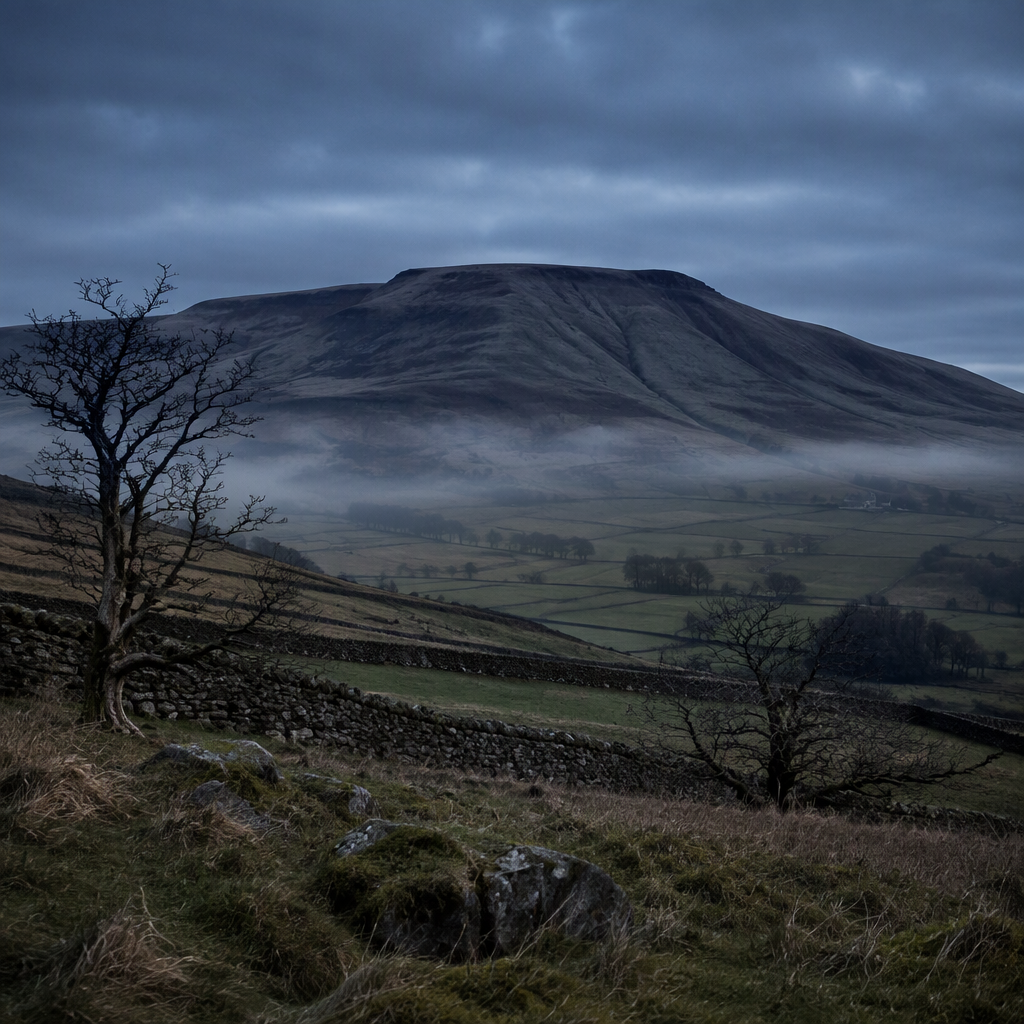
Dominating the skyline of eastern Lancashire, Pendle Hill stands as the defining symbol of English witch lore. Rising 557 metres above sea level, this isolated gritstone plateau overlooks the Ribble Valley and the Forest of Bowland, an Area of Outstanding Natural Beauty.
In 1612, twelve people living around Pendle Hill faced accusations of murder by witchcraft. Ten were convicted and hanged at Lancaster Castle, in what remains England’s most famous witch trial. The rugged topography—characterised by peat bogs, deep gullies, and sudden descents into fog—reinforced contemporary fears of the wilderness as a breeding ground for malevolent forces.
Today, visitors walk the 45-mile Pendle Witch Way, a long-distance trail linking the village of Sabden to Lancaster Castle. Heritage markers and local museums present the historical truth behind the trials, highlighting the poverty, religious tensions, and social isolation that drove neighbours to accuse one another.
The Fogbound Marshes of East Anglia
While Lancashire provides a mountainous backdrop, the flat, tidal coastlines of Essex and Suffolk formed another lethal epicentre during the English Civil War. Here, Matthew Hopkins, the self-styled “Witchfinder General,” conducted ruthless investigations between 1644 and 1647.
Centred around Manningtree, Mistley, and the St Osyth marshes, East Anglia’s witch country features labyrinthine tidal creeks and low-lying salt marshes. These waterways historically cut villages off from larger towns, creating tightly knit communities prone to suspicion and hysteria.
Key Sites in East Anglia’s Witch Lore
- The Mistley Towers: The remains of an 18th-century church stand near the pond where Hopkins subjected suspects to the “swimming test.”
- The Cage at St Osyth: A historic 16th-century lock-up where accused women were held awaiting trial in 1582.
- Manningtree Quay: A former commercial port where public interrogations and detentions took place.
Preserving Rural Heritage and Reckoning with History
In recent years, the narrative surrounding England’s witch country has shifted from sensationalist ghost stories to historical restitution. Academic historians, local councils, and cultural trusts work to honour the victims of the trials, framing them as vulnerable citizens rather than mythical figures.
Local businesses and tourism boards strike a delicate balance between commemorating genuine tragedy and supporting seasonal tourism. Educational exhibitions now emphasize the legal, religious, and economic contexts that fueled the panics under King James I, a monarch whose personal obsession with demonology deeply influenced English law.
Conservation groups are also focusing on protecting the natural environments surrounding these historic areas. The peatlands of Pendle Hill and the coastal wetlands of Essex face modern ecological pressures, prompting restoration projects aimed at preserving their wild character for future generations.
What Happens Next
Heritage organizations across Lancashire and East Anglia plan to expand educational trails and digital historical archives in the coming years. Campaigners continue to lobby for formal posthumous pardons for those executed during the English witch trials, following recent legal reconciliations enacted in Scotland.
As interest in dark tourism and rural heritage grows, England’s witch country remains a powerful testament to how physical geography, folklore, and historical trauma intersect in the British landscape.




1 Comment
Comments are closed.