
Elon Musk’s Starlink Cellphone Carrier Push: How Direct-to-Cell Tech Works
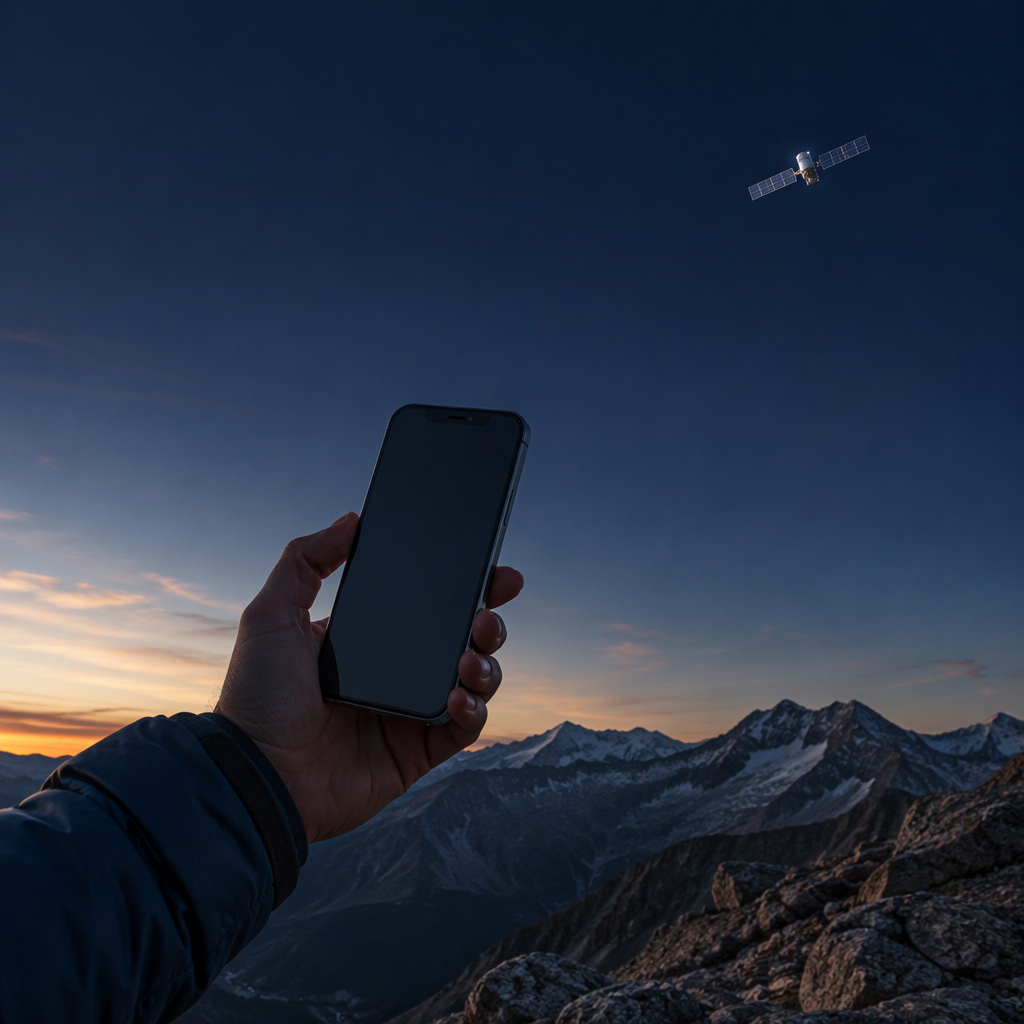
SpaceX is expanding its satellite broadband network into consumer mobile communications, sparking industry expectations that an Elon Musk-backed Starlink cellphone carrier ecosystem could soon eliminate cellular dead zones worldwide. By launching satellites equipped with advanced eNodeB modems, Starlink is bridging low-Earth orbit connectivity directly to standard LTE smartphones without requiring proprietary handsets or external hardware.
The initiative, branded as Starlink Direct to Cell, marks a critical pivot for SpaceX. Rather than replacing traditional cellular networks, the aerospace company is partnering with existing mobile network operators to serve as a space-based cellular roaming layer. For millions of mobile subscribers traversing remote highways, national parks, maritime routes, and rural communities, satellite connectivity will soon activate automatically when terrestrial cell towers drop out.
Also read: Musk Explains Why SpaceX Restricted Ukraine Starlink Connection as Service Continues
How the Starlink Cellphone Carrier Model Operates
Conventional satellite phones have historically required bulky antennas, specialized frequency chips, and dedicated subscription packages. In contrast, Starlink’s direct-to-cell architecture integrates an onboard cellular base station into second-generation Starlink satellites launched aboard SpaceX Falcon 9 rockets.
These orbiting payloads communicate over standard LTE spectrum bands allocated by terrestrial carrier partners. When a user exits the coverage footprint of ground-based cellular infrastructure, the phone searches for compatible radio signals and latches onto a passing Starlink satellite overhead. To the operating system of an everyday smartphone, the orbiting spacecraft appears just like a standard roaming tower.
Because the satellites travel in low-Earth orbit roughly 340 to 360 miles above the planet, latency remains low enough to facilitate real-time text transmissions, with voice and low-bandwidth data functions planned as the constellation expands.
Global Telecom Partnerships and Deployment Timeline
SpaceX first announced its mobile ambitions alongside T-Mobile under the banner of “Coverage Above and Beyond.” Since then, the company has assembled a growing international coalition of telecommunications operators, including Rogers in Canada, Optus in Australia, One NZ in New Zealand, KDDI in Japan, Salt in Switzerland, and Entel in Chile and Peru.
The rollout follows a phased timeline governed by technical capacity and regulatory clearance:
- Text Messaging (SMS): Initial testing began in early 2024 following regulatory test grants, with commercial messaging capabilities serving as the baseline offering.
- Voice and Data: High-bandwidth capabilities, including voice calls and basic internet access, are scheduled to follow as more equipped satellites reach operational orbits.
- Internet of Things (IoT): Direct-to-cell satellites will support ubiquitous connectivity for industrial sensors, agricultural equipment, and connected vehicles worldwide.
Regulatory Hurdles and Spectrum Disputes
Despite rapid technical milestones, SpaceX faces significant regulatory scrutiny. In the United States, the Federal Communications Commission (FCC) must balance approvals against objections raised by competing telecom operators and satellite providers, such as AT&T, Verizon, and Dish Network, who have expressed concerns over potential out-of-band radio interference.
SpaceX has contested these claims, submitting technical filings to the FCC demonstrating that its radio emissions operate safely within international protection limits. During recent natural disasters, including Hurricane Helene, federal regulators granted emergency authorizations allowing SpaceX and T-Mobile to deliver direct-to-phone emergency alerts and test SMS across devastated zones in the southeastern United States, showcasing the humanitarian utility of the system.
Rising Competition in Satellite-to-Phone Connectivity
Starlink is not alone in the race to connect consumer smartphones from orbit. AST SpaceMobile has secured major commercial agreements and strategic investments from AT&T and Verizon, successfully demonstrating space-based 5G video calls using standard cellular hardware. Meanwhile, Apple continues to expand its proprietary Emergency SOS feature in partnership with Globalstar, and Lynk Global has deployed commercial satellite cell towers in select international territories.
However, SpaceX holds a critical advantage in launch frequency. With its internal Falcon 9 launch cadence and the ongoing development of the Starship heavy-lift vehicle, SpaceX can deploy constellation hardware at a volume and pace unmatched by competitors.
What Happens Next
The immediate milestone for SpaceX and its carrier partners is securing permanent commercial licensing from the FCC and equivalent international regulatory bodies. As more Direct to Cell satellites enter orbit throughout the coming year, consumers on partner networks will begin seeing satellite carrier indicators appear on their status bars in dead zones.
While standard consumer data plans will still rely primarily on high-speed terrestrial 5G for video streaming and heavy downloads, the emergence of a Starlink cellphone carrier backbone ensures that complete signal loss may soon become a relic of telecommunications history.



1 Comment
Comments are closed.