
The Return of New Orleans’ ‘Deadly’ Cocktail: Inside the Green Fairy’s Revival
NEW ORLEANS — For more than a century, patrons whispered about the intoxicating and allegedly dangerous powers of the “Green Fairy.” Today, the historic New Orleans deadly cocktail—the storied absinthe concoction that scandalized 19th-century America—is enjoying a sophisticated modern revival across the city’s historic saloons and contemporary craft bars.
Bartenders in the French Quarter are dusting off antique-style water drippers, crushed ice shakers, and traditional wormwood spirits. What was once outlawed and feared as a hallucinogenic poison has reclaimed its rightful seat in the birthplace of American cocktail culture.
Also read: ‘Afraid of Heights’: Inside the Peruvian Cliff Hotel With a Terrifying Check-In
The Myth Behind the New Orleans Deadly Cocktail
During the late 1800s, New Orleans consumed more absinthe per capita than almost anywhere else in the United States. Writers, artists, and revelers flocked to the Old Absinthe House at the corner of Bourbon and Bienville streets, where Spanish bartender Cayetano Ferrer created the famed Absinthe Frappé in 1874.
Ferrer combined absinthe, simple syrup, anisette, and finely crushed ice, whipping the mixture into a frosty, milky green delight. But as absinthe’s popularity soared, so did moral panic.
Opponents labeled absinthe a societal menace, claiming the chemical compound thujone, found in grand wormwood, induced madness, violent outbursts, and hallucinations. Reformers and rival beverage lobbies branded the drink a “deadly cocktail” capable of driving drinkers toward crime and insanity. In 1912, the United States federal government officially banned the production, import, and sale of absinthe, forcing the city’s signature cocktail underground.
From Prohibition Evasion to Local Substitutes
New Orleans never entirely surrendered its taste for the forbidden botanical spirit. When genuine absinthe disappeared, local distillers stepped in to fill the void.
In 1934, following the repeal of nationwide Prohibition, New Orleans entrepreneur J. Marion Legendre unveiled Herbsaint. The anise-flavored liqueur mimicked absinthe’s aromatic profile without using wormwood, becoming an essential staple in classics like the official Sazerac and oysters Rockefeller.
For nearly a century, locals made do with substitutes. That changed in 2007, when United States regulators revised their rules on thujone measurement, effectively legalizing genuine wormwood absinthe after modern chemical testing proved the spirit never contained lethal or hallucinogenic properties.
Modern Bartenders Embrace Authentic Tradition
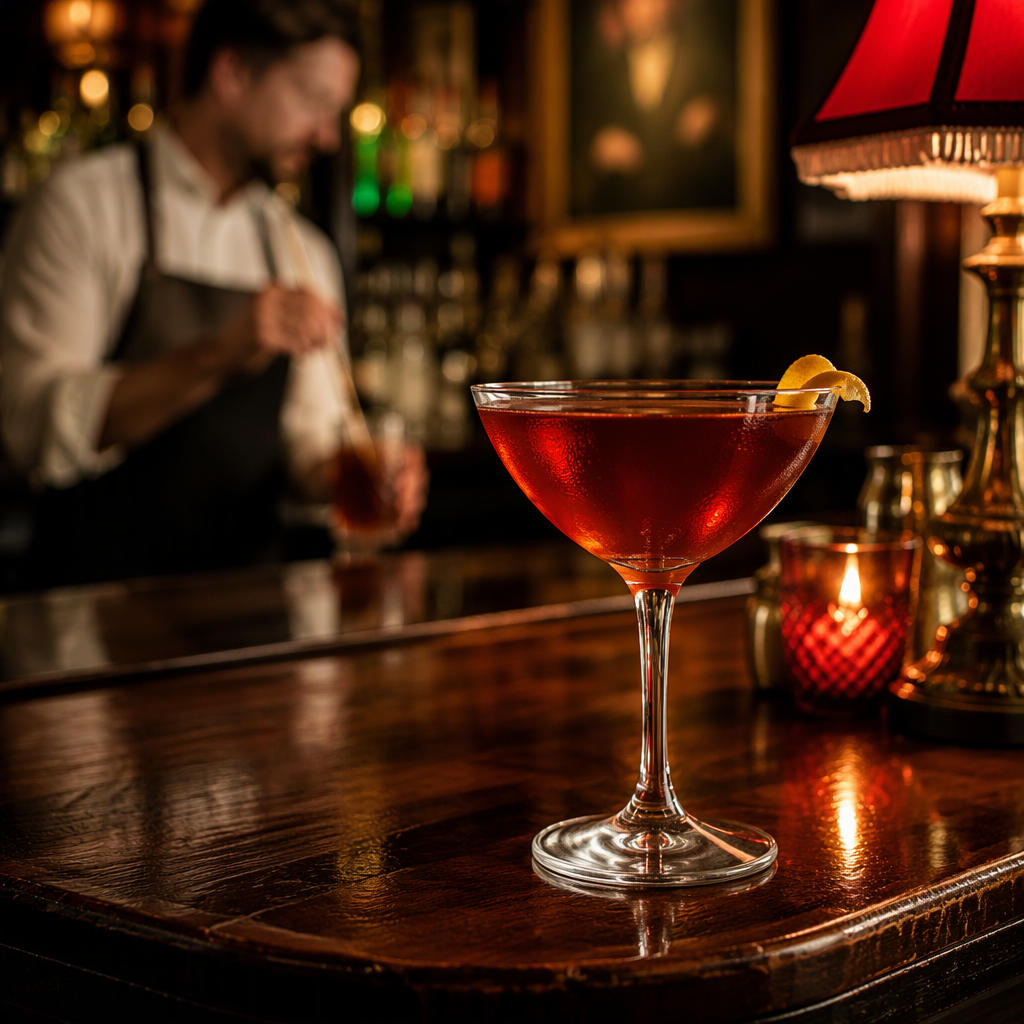
Nearly two decades after its legal return, the drink is undergoing its most authentic renaissance yet. Rather than treating absinthe as a novelty shot or an aggressive party drink, contemporary mixologists are treating it as high culinary art.
At institutions like the French Quarter’s Jewel of the South and the Sazerac Bar inside The Roosevelt Hotel, bartenders serve absinthe through the traditional French drip. Ice-cold water slowly drips from ornate fountains over sugar cubes perched atop slotted silver spoons, loucheing the spirit into a pale, opalescent green cloud.
Bartenders also report a resurgence in orders for the original Absinthe Frappé, served ice-cold to combat Louisiana’s sweltering humidity just as it was in the Gilded Age.
“People used to order it out of daring curiosity, expecting an illicit trip,” said Marcus Landry, a veteran French Quarter bartender. “Now, patrons ask about the botanical bill, the distillation methods, and the historical lineage. It has shifted from an urban legend to a celebrated classic.”
What Happens Next
Tourism and cocktail culture in New Orleans continue to expand hand in hand. With annual events like Tales of the Cocktail drawing thousands of spirits professionals to Louisiana, regional distilleries are now producing their own small-batch absinthes infused with local botanicals.
Bars across the city are expanding dedicated absinthe menus, pairing traditional louches with educational storytelling for visitors eager to taste living history. As scientific myths recede into memory, the once-feared New Orleans deadly cocktail has proven that good flavor and timeless craftsmanship can survive even the longest bans.