
El-Sayed Clashes Over Muslim Brotherhood Questions in Senate Race Exchange
A sharp political confrontation erupted after public health leader and political figure Dr. Abdul El-Sayed forcefully pushed back against repeated inquiries attempting to link him to religious extremism. The controversy surrounding El-Sayed Muslim Brotherhood questions has once again ignited fierce debate over the use of identity-based attacks and anti-Muslim tropes in high-profile political contests.
During campaign events and public discussions surrounding the legislative and Senate race cycle, conservative critics and political opponents have raised scrutiny over El-Sayed’s past affiliations and religious background. El-Sayed directly confronted the insinuations, characterizing them as unfounded smears designed to distract voters from critical policy issues.
Also read: Bruce Springsteen Backs Abdul El-Sayed in Michigan Senate Race, Sparking Fan Fury
Confronting the Allegations on the Campaign Trail
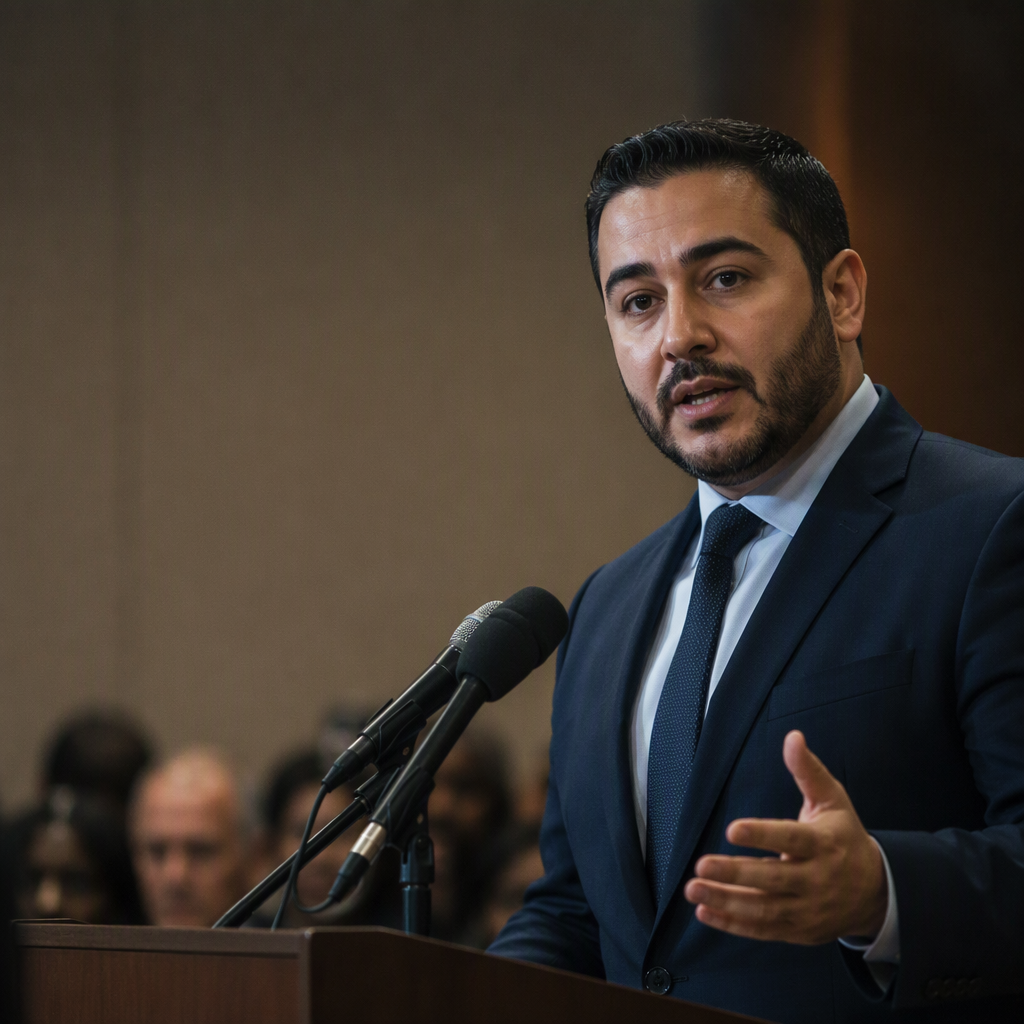
The tension came to a head when El-Sayed was asked to respond to persistent claims circulating in conservative circles suggesting ideological ties to the Muslim Brotherhood. Addressing the issue directly, El-Sayed dismissed the accusations as baseless political theater.
“These attacks are neither new nor serious,” El-Sayed stated during the exchange. “They are recycled conspiracy theories meant to question my loyalty to this country and to divide communities instead of talking about healthcare, jobs, and clean water.”
Supporters inside the room applauded his direct rebuttal, while critics maintained that public figures seeking high office or influencing major legislative battles should face rigorous scrutiny regarding their community ties and leadership history.
Roots of the El-Sayed Muslim Brotherhood Questions
The controversy is not entirely unprecedented in Michigan politics. During his initial rise to national prominence in the 2018 gubernatorial primary, right-wing opponents—most notably former state Sen. Patrick Colbeck—promoted unsubstantiated claims alleging that El-Sayed was part of a coordinated effort affiliated with the Muslim Brotherhood.
Independent fact-checkers and political analysts widely debunked those claims at the time, noting that they relied entirely on guilt-by-association arguments involving mainstream Muslim-American civic organizations, such as the Muslim Students’ Association (MSA), which El-Sayed led during his undergraduate years at the University of Michigan.
Despite previous refutations, the rhetoric has periodically resurfaced during subsequent election cycles, particularly as political power shifts in Michigan draw national attention to both state and federal legislative battles.
Civil Rights Advocates Condemn Disinformation
Civil rights organizations and interfaith leaders quickly rallied behind El-Sayed following the latest exchanges, warning that reviving debunked conspiracy theories fuels Islamophobia and undermines democratic discourse.
Advocacy groups pointed out that Muslim-American candidates routinely face disproportionate questioning regarding foreign organizations, national allegiance, and extremist movements—standards rarely applied to non-Muslim candidates.
“Weaponizing fringe internet conspiracies against public servants is dangerous and dishonest,” said a spokesperson for a regional civil rights advocacy coalition. “Voters deserve a campaign focused on substantive policy debates, not Islamophobic dog whistles.”
Impact on the Broader Race
The clash highlights broader tensions within both parties as candidates navigate sensitive debates around foreign policy, civil liberties, and representation. In Michigan, home to one of the largest and most politically active Arab-American and Muslim-American populations in the nation, such controversies carry significant electoral weight.
While some hardline political strategists continue to deploy cultural wedge issues to mobilize base voters, analysts suggest that overreliance on disproven attacks can alienate moderate suburban voters who prioritize kitchen-table issues such as the economy, infrastructure, and education.
What Happens Next
As election season accelerates, campaigns across the state are preparing for heightened public debates and intensified media scrutiny. El-Sayed’s team has signaled that it will not shy away from confronting bad-faith narratives directly, while keeping the central focus on public health and economic equity.
Observers will be monitoring upcoming town halls and debate stages to see whether opponents continue to raise these talking points or shift their focus toward conventional policy differences.
Conclusion
The latest clash demonstrates that manufactured controversies remain a persistent challenge in contemporary politics. By directly rejecting the El-Sayed Muslim Brotherhood questions, El-Sayed has sought to draw a firm line against identity-driven smears, setting a confrontational tone for the remainder of the political season.