
Nancy Pelosi Calls Mamdani, El-Sayed’s Past Comments on Israel ‘Concerning’ and ‘Wrong’
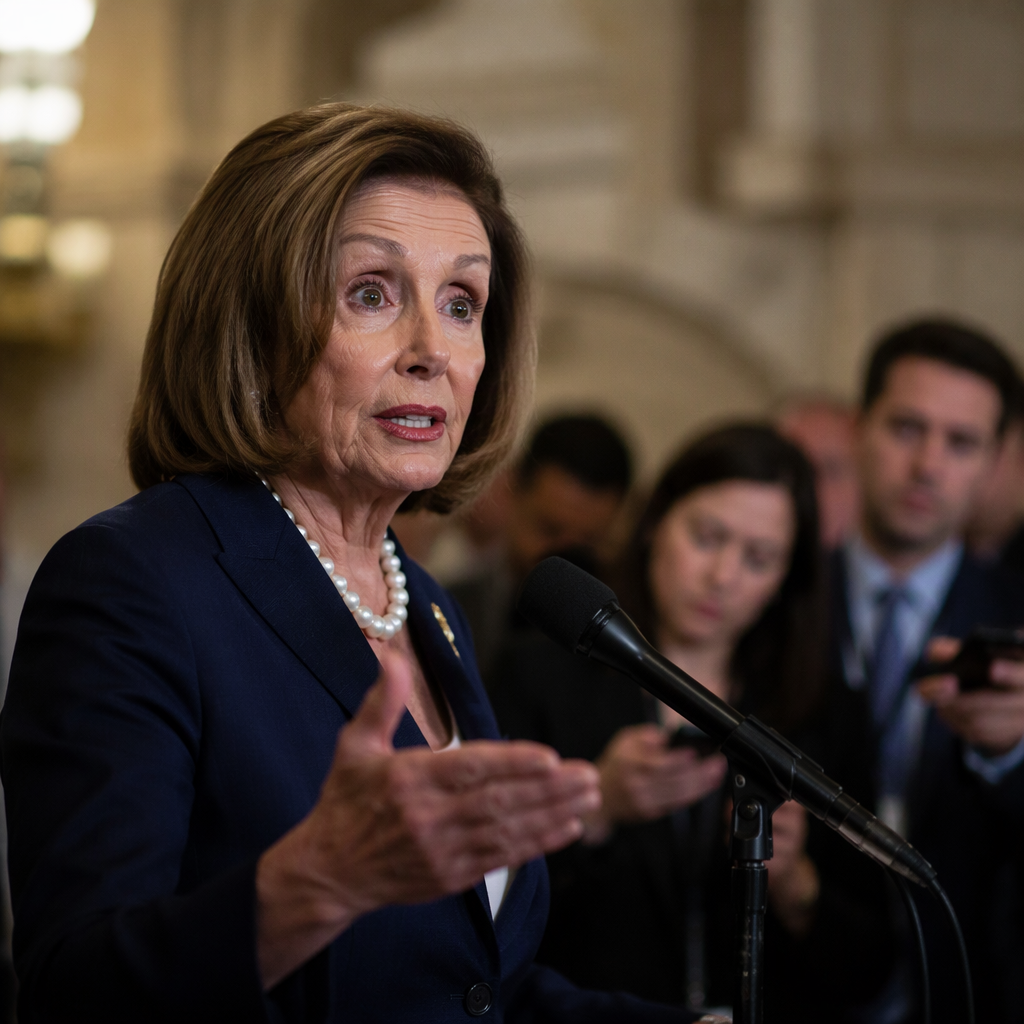
Former House Speaker Nancy Pelosi has publicly criticized past remarks on the Israeli-Palestinian conflict made by progressive political figures, describing statements associated with New York State Assemblyman Zohran Mamdani and public health advocate Abdul El-Sayed as “concerning” and “wrong.” Pelosi’s remarks highlight the ongoing ideological debates within the Democratic Party over foreign policy in the Middle East.
Pelosi, who represents California’s 11th Congressional District and remains one of the most influential figures in national Democratic politics, addressed the statements during a broader discussion on party messaging and international affairs. Her comments underscore an enduring rift between the party’s traditional pro-Israel leadership and its left-leaning, progressive wing.
Also read: El-Sayed Clashes Over Muslim Brotherhood Questions in Senate Race Exchange
Pelosi Rebukes Progressive Rhetoric on Middle East Policy
In her critique, Pelosi emphasized the importance of maintaining a strong U.S.-Israel partnership while holding leaders accountable for nuanced diplomacy. She characterized past positions and statements attributed to Mamdani and El-Sayed regarding Israel and Palestinian statehood as counterproductive to achieving lasting security and peace in the region.
Pelosi noted that while debate within the party is healthy and expected, language that delegitimizes Israel or fails to condemn violence crosses a critical line. She reiterated her longstanding support for a negotiated two-state solution that protects Israeli sovereignty while offering self-determination for Palestinians.
Who Are Zohran Mamdani and Abdul El-Sayed?
Zohran Mamdani is a Democratic-Socialist member of the New York State Assembly representing Astoria, Queens. He has consistently championed progressive domestic policies and has been an outspoken critic of U.S. military aid to Israel, particularly amid the ongoing conflict in Gaza. Mamdani, who has launched a campaign for Mayor of New York City, has frequently aligned himself with grassroots Palestinian rights movements.
Abdul El-Sayed is a physician, public health expert, and former candidate for Governor of Michigan who currently serves in Wayne County health leadership. A prominent voice among progressive commentators, El-Sayed has repeatedly called for fundamental shifts in American foreign policy toward the Middle East, urging conditioned aid and increased accountability regarding human rights.
Party Divisions Over Nancy Pelosi Comments on Israel
The controversy surrounding the Nancy Pelosi comments on Israel reflects deep-seated tensions that have escalated across the Democratic coalition. Centrist Democrats and senior leadership have largely maintained unwavering support for Israel’s defense, framing it as a vital strategic and democratic ally in the region.
Conversely, progressive lawmakers and activists increasingly argue that unconditional aid enables human rights violations and undermines long-term peace. These disagreements have played out in congressional primaries, local municipal contests, and debates over federal spending packages.
Political Fallout in National and Local Contests
Pelosi’s assessment comes as local candidates navigate complex foreign policy questions that increasingly impact domestic campaigns. In New York City, where Mamdani is mounting a high-profile mayoral challenge, views on Middle Eastern affairs remain a decisive factor for broad segments of the electorate.
Similarly, in swing states such as Michigan, where El-Sayed has significant political visibility, debates over Israel and Gaza have mobilized large coalitions of voters, demanding that elected officials adopt more critical stances on foreign aid and civilian casualties.
What Happens Next
As the 2026 midterm cycle and upcoming municipal elections approach, the friction over foreign policy positions is expected to intensify. Progressive candidates continue to press for platform changes, while senior leaders like Pelosi seek to prevent divisive foreign policy rhetoric from fracturing general election coalitions.
Conclusion
Nancy Pelosi’s remarks characterizing the past statements of Mamdani and El-Sayed as “concerning” and “wrong” spotlight the ongoing struggle over Democratic foreign policy priorities. By challenging these stances directly, the Speaker Emerita signaled that establishment Democrats will continue to push back against rhetoric they view as harmful to traditional diplomatic alliances and party cohesion.