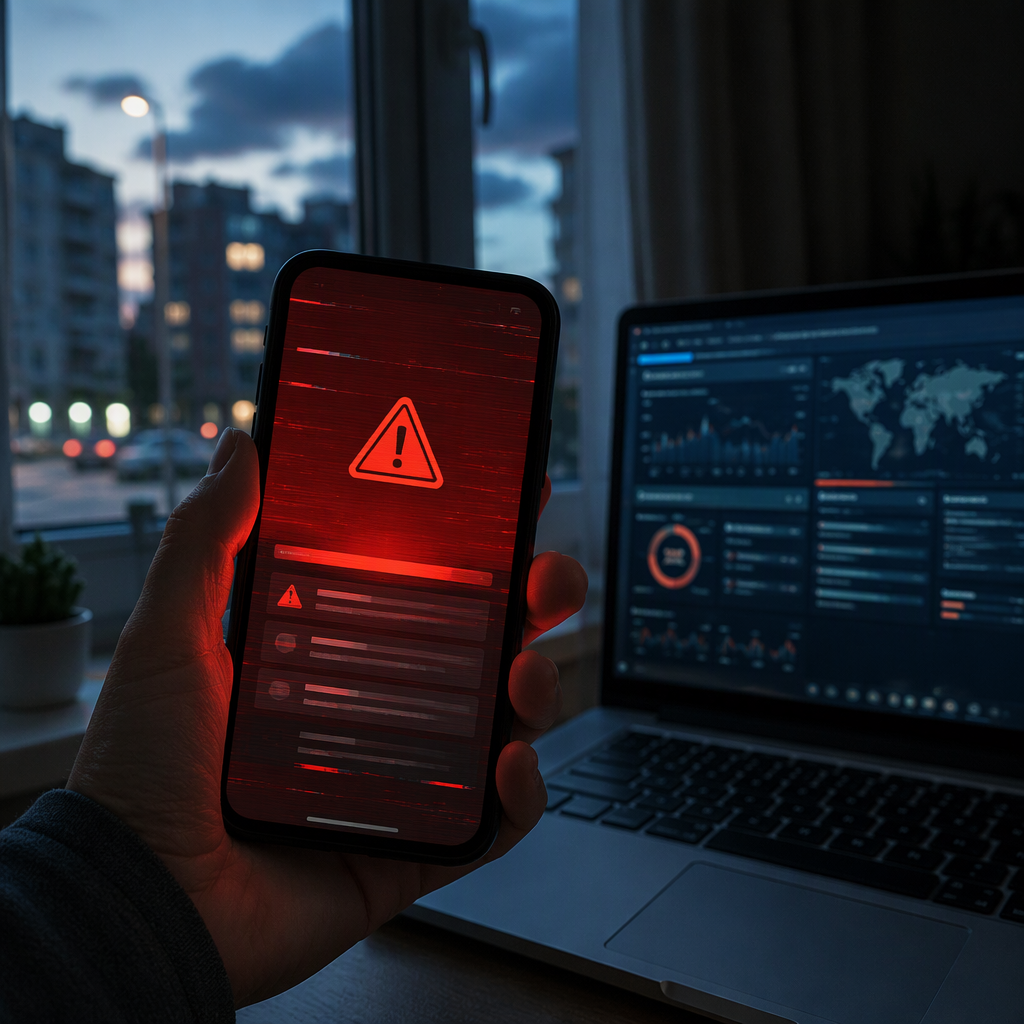

Fake Nuclear Warnings Issued After Ukrainian and Russian Air Alert Apps Hacked
A series of sophisticated cyber intrusions targeting civil defense notification systems in Eastern Europe resulted in fake nuclear warnings being pushed to mobile devices across several regions. Hackers compromised popular air alert applications and automated notification feeds in both Ukraine and the Russian Federation, triggering alarms that erroneously directed civilians to seek immediate fallout shelters.
The unauthorized alerts caused temporary panic among residents before emergency management authorities in both nations moved swiftly to issue retractions and clarify that no radiological or nuclear incidents had taken place. Cybersecurity officials are currently investigating the entry vectors used to hijack the push notification servers.
Also read: Russia and Ukraine Air Raid Alert Apps Hit by Cyberattacks as Hostilities Resume
Anatomy of the Alert App Cyberattacks
Civilian mobile applications have become vital lifelines during the ongoing war, regularly notifying millions of citizens about incoming missile strikes, drone barrages, and artillery fire. However, vulnerabilities in third-party application programming interfaces (APIs) and centralized notification servers provided bad actors with an avenue to disrupt these essential channels.
According to preliminary technical analyses, threat actors bypassed access controls on regional server clusters responsible for relaying emergency dispatches. Once inside the administration panels, the attackers crafted high-priority broadcast messages mimicking authentic civil defense warnings. The notifications claimed an imminent radiological hazard had been detected and advised immediate evacuation to underground bunkers.
In addition to mobile applications, several regional radio stations and automated digital messaging boards linked to the emergency alert pipelines briefly broadcast the fabricated alerts before administrators severed connections to the compromised networks.
Government and Developer Responses to Fake Nuclear Warnings
Officials on both sides quickly condemned the attacks, characterizing them as psychological operations designed to undermine public trust in official warning channels. Within minutes of the breach, Ukrainian digital infrastructure specialists isolated the affected relay services and deployed an updated patch to lock down administrative access.
Similarly, Russian emergency management representatives released statements across state television and official social channels, confirming that the alerts were entirely fraudulent and the result of malicious external interference with regional server networks.
App developers have urged users not to delete the software, emphasizing that reliable air defense alerting remains vital for civilian safety. Developers noted that additional layers of multi-factor authentication and strict cryptographic verification for outgoing notifications are being implemented to prevent similar disruptions.
The Expanding Front of Information and Cyber Warfare
The incident highlights the growing risks associated with digitizing critical civilian defense infrastructure in active conflict zones. While digital alert systems provide rapid, localized warnings that save lives, centralized architectures present attractive targets for state-sponsored and rogue cyber units aiming to sow panic and confusion.
Cybersecurity analysts note that weaponizing emergency notifications represents a dangerous evolution in digital psychological warfare. When warning systems are compromised, citizens may suffer from alert fatigue or develop skepticism toward genuine air raid warnings, dramatically increasing the danger of physical casualties during real kinetic strikes.
What Happens Next
Emergency management agencies and software engineers are conducting comprehensive forensic audits to determine the precise origins and infrastructure behind the intrusion. Both public-sector and private-sector incident response teams are hardening server security to ensure authentication keys cannot be intercepted.
International cybersecurity monitors continue to track potential secondary attacks targeting public infrastructure. Moving forward, authorities are expected to introduce decentralized verification mechanisms, ensuring that automated warnings can only be triggered following rigorous, multi-party cryptographic authorization.




1 Comment
Comments are closed.