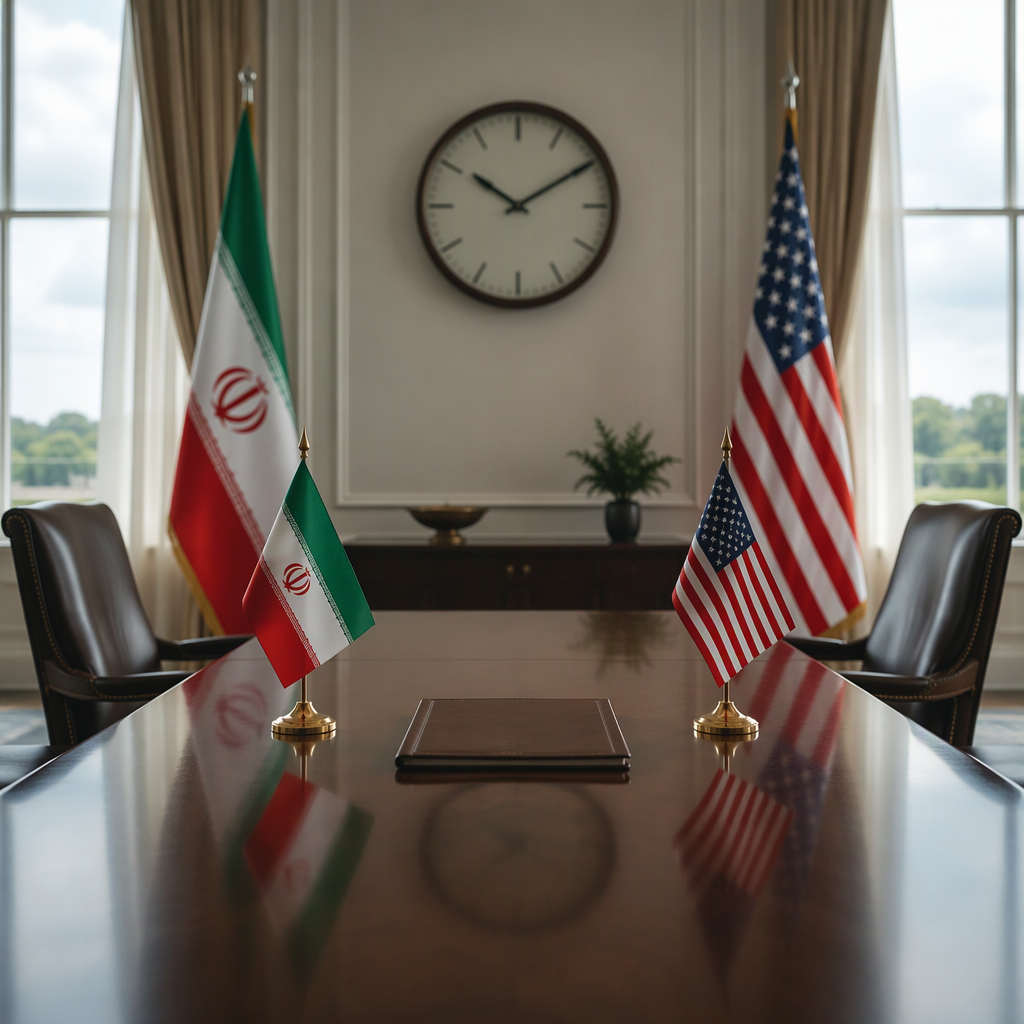

Iran Ceasefire Talks With US: Tehran Proposes Accelerated Plan Amid Middle East Crisis
Tehran is actively advancing an accelerated diplomatic framework aimed at brokering comprehensive de-escalation agreements, putting prospective Iran ceasefire talks with US officials at the forefront of international diplomacy. Amid heightened military friction across the Middle East, Iranian leadership has reportedly signaled through backchannel conduits that it is prepared to expedite negotiations to avert broader regional conflict.
Diplomatic sources indicate that Iranian officials have engaged trusted intermediaries to relay proposals to Washington. The initiative seeks to establish clear terms for reducing hostilities, stabilizing maritime trade routes, and addressing cross-border proxy engagements that have threatened wider instability in recent months.
Also read: Iran Intensifies Plans to Target US Personnel in Middle East, Intelligence Chief Warns
Key Objectives of the Proposed Iran Ceasefire Talks With US
Tehran’s accelerated proposal centers on immediate security guarantees and phased de-escalation measures across multiple flashpoints. According to regional envoys, the core pillars of the blueprint include:
- Halting Escalatory Cross-Border Strikes: Establishing an immediate operational freeze on reciprocal drone, missile, and airstrike actions between regional actors.
- Securing Strategic Waterways: Guaranteeing unhindered navigation through the Red Sea, the Bab el-Mandeb Strait, and the Strait of Hormuz.
- Establishing Verification Mechanisms: Involving multilateral monitors to ensure all parties uphold initial ceasefire arrangements.
- Reopening Formal Communication Channels: Creating a direct or high-level indirect mechanism between Washington and Tehran to prevent inadvertent military miscalculations.
Iranian diplomats have emphasized that the proposal is structured to deliver immediate relief from military pressure while laying the groundwork for more durable diplomatic arrangements.
Role of Regional Intermediaries in Mediating Talks
Because direct bilateral relations between Washington and Tehran remain officially severed, third-party mediators are playing an indispensable role. Diplomatic heavyweights in the Gulf and Europe, notably Oman, Qatar, and Switzerland, have facilitated backchannel messaging.
Oman, which has historically served as a neutral liaison for sensitive US-Iran communications, is coordinating message exchanges regarding the timeline and venue for preliminary talks. Meanwhile, Qatari negotiators have leveraged their mediation experience to explore how the proposal aligns with broader ceasefires involving regional allies.
Regional observers note that Tehran’s willingness to compress the timeline for these exchanges reflects rising economic considerations at home and a strategic desire to prevent an uncontrollable escalation into a direct confrontation with the United States.
Diplomatic Hurdles and Washington’s Position
While Tehran is pushing for swift progress, officials in Washington are approaching the proposal with calibrated caution. US policymakers continue to assess whether Iran’s outreach represents a genuine strategic shift or a tactical bid to relieve sanctions pressure and safeguard regional networks.
Key sticking points remain prominent:
- Enforcement and Accountability: US officials require enforceable guarantees that regional allied militias will comply with any agreed-upon cessation of hostilities.
- Nuclear Safeguards: Washington maintains that regional security arrangements must operate in concert with international oversight of Iran’s enrichment activities.
- Allied Security Concerns: US partners in the region, particularly Israel and Gulf nations, demand verifiable reductions in ballistic missile transfers and operational funding for non-state actors.
A spokesperson for the US State Department reiterated that while diplomacy remains the preferred path to de-escalation, Washington will judge Tehran by concrete actions on the ground rather than statements of intent.
What Happens Next in Iran-US Diplomacy
In the coming days, international mediators are expected to present refined drafts of the Iranian proposal to US and European counterparts. Working-level meetings in Muscat and Geneva could determine whether conditions exist to convene formal indirect delegations.
If initial security benchmarks are met, diplomats may schedule structured indirect sessions before regional tensions escalate further. However, any sudden outbreak of violence along strategic corridors could quickly derail the initiative.
Conclusion
Tehran’s push for a fast-tracked diplomatic path highlights the urgent need to stabilize an increasingly volatile region. While significant strategic hurdles remain, genuine progress on proposed Iran ceasefire talks with US stakeholders could offer a vital off-ramp from regional conflict. The success of the initiative will ultimately depend on whether both Washington and Tehran can translate preliminary diplomatic overtures into measurable, verifiable security commitments on the ground.


1 Comment
Comments are closed.