
Trump Admin Dealt Supreme Court Setback in California Noncitizen Voting Fight
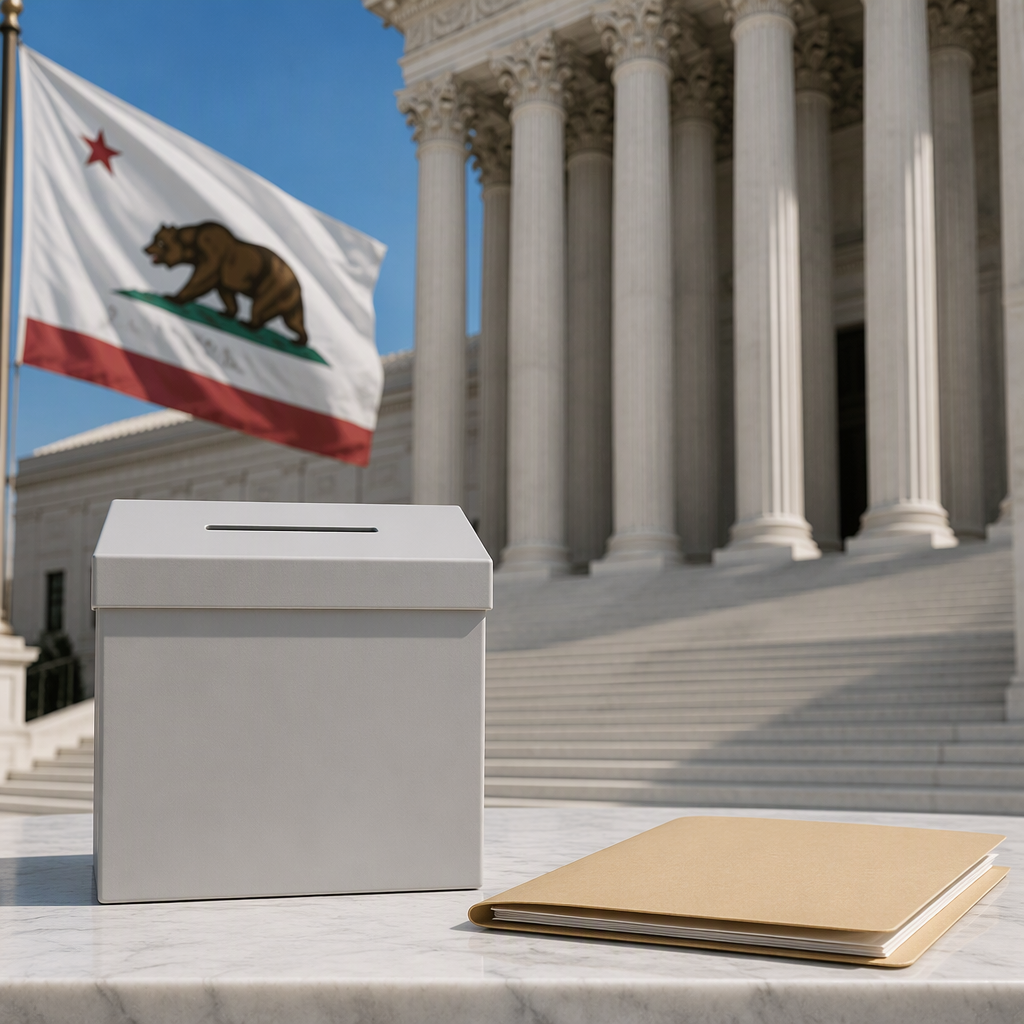
WASHINGTON — The Supreme Court has delivered a significant legal defeat to the Trump administration, declining to intervene in a contentious battle challenging state election procedures. The high court’s decision marks a major turning point in the high-profile California noncitizen voting fight, leaving intact lower court rulings that rebuffed federal efforts to alter how the state manages voter registration rolls and verifies voter citizenship.
The justices rejected an emergency application brought forward by federal authorities seeking immediate intervention ahead of upcoming electoral deadlines. The ruling preserves California’s existing framework and reinforces the authority of state election officials to administer voting laws under the U.S. Constitution.
Also read: President Trump Casts Early Voting Ballot with Melania Trump in Florida
High Court Rebuffs Federal Challenge to California Election Rules
The legal clash centered on claims by the administration and conservative legal advocates alleging that California’s voter registration protocols insufficiently guard against noncitizen registration. Federal challengers sought expedited Supreme Court relief to compel state election authorities to hand over detailed citizenship verification data and implement stricter voter roll maintenance procedures.
California officials, led by Secretary of State Shirley Weber and Attorney General Rob Bonta, vigorously opposed the administration’s petition. State attorneys argued that federal law already strictly prohibits noncitizens from voting in federal elections and maintained that California employs robust verification mechanisms that comply with the National Voter Registration Act (NVRA).
In denying the emergency petition, the Supreme Court offered no noted dissents, adhering to its customary practice of avoiding sudden federal disruption of state voting frameworks without comprehensive merits hearings.
Core Arguments in the California Noncitizen Voting Fight
The dispute has served as a central flashpoint in broader national debates over election administration, executive authority, and state sovereignty. Key dimensions of the battle include:
- Federal Oversight vs. State Authority: Federal attorneys argued that executive agencies possess inherent oversight to ensure federal election integrity and investigate potential voter fraud. California maintained that the Elections Clause of the U.S. Constitution reserves primary power over election procedures to states.
- Data Sharing and Privacy Concerns: The administration pushed for broad access to state driver’s license databases and Department of Motor Vehicles (DMV) records to cross-check noncitizen status. California resisted, citing data privacy protections and federal statutory limits.
- Burden of Proof: State officials highlighted that extensive audits and independent investigations have repeatedly shown that unlawful voting by noncitizens remains vanishingly rare across federal and state contests.
Lower Court Rulings Upheld
Before reaching the Supreme Court, federal district and appellate courts had similarly rebuffed attempts to impose immediate injunctions against California. Lower court judges concluded that plaintiffs failed to demonstrate widespread noncitizen voting or establish that the state was violating federal statutory obligations.
The 9th U.S. Circuit Court of Appeals had previously cautioned against eleventh-hour judicial mandates, citing the longstanding Purcell principle, which discourages federal courts from altering election rules close to an election cycle.
State Officials Hail Ruling as a Victory for Voter Protections
Following the decision, California leadership celebrated the Supreme Court’s action as a critical defense of voting rights and democratic norms.
“Today’s action by the Supreme Court affirms what we have argued all along: California’s election systems are secure, lawful, and governed by established statutory rules,” said Attorney General Rob Bonta in a statement. “Federal overreach cannot be used to undermine confidence in our democracy or disenfranchise eligible voters.”
Voting rights advocacy groups also applauded the decision, cautioning that aggressive federal purging efforts often risk mistakenly disenfranchising eligible naturalized citizens whose records may contain clerical inconsistencies.
What Happens Next
While the emergency setback halts immediate federal enforcement against California, the underlying legal fight over voter roll audits and registration requirements continues through regular appellate channels. Key next steps include:
- Merits Briefing in Lower Courts: The underlying lawsuit will proceed toward full merits adjudication in federal district court, where discovery and evidentiary hearings will test the administration’s factual assertions.
- Broader National Legal Battles: The Trump administration and its allies are pursuing parallel legal challenges against voter roll practices in several other states, testing how appellate circuits interpret federal voter list maintenance rules.
- Legislative Efforts: Republican lawmakers on Capitol Hill continue to push legislation, such as the SAVE Act, aimed at mandating documentary proof of citizenship nationwide for federal voter registration.
Conclusion
The Supreme Court’s refusal to grant emergency relief leaves California’s election infrastructure firmly in place and represents a major legal defeat for executive branch efforts to police local voter lists. By stepping aside, the high court has reaffirmed established state authority and dealt a decisive blow to the administration in the ongoing California noncitizen voting fight.