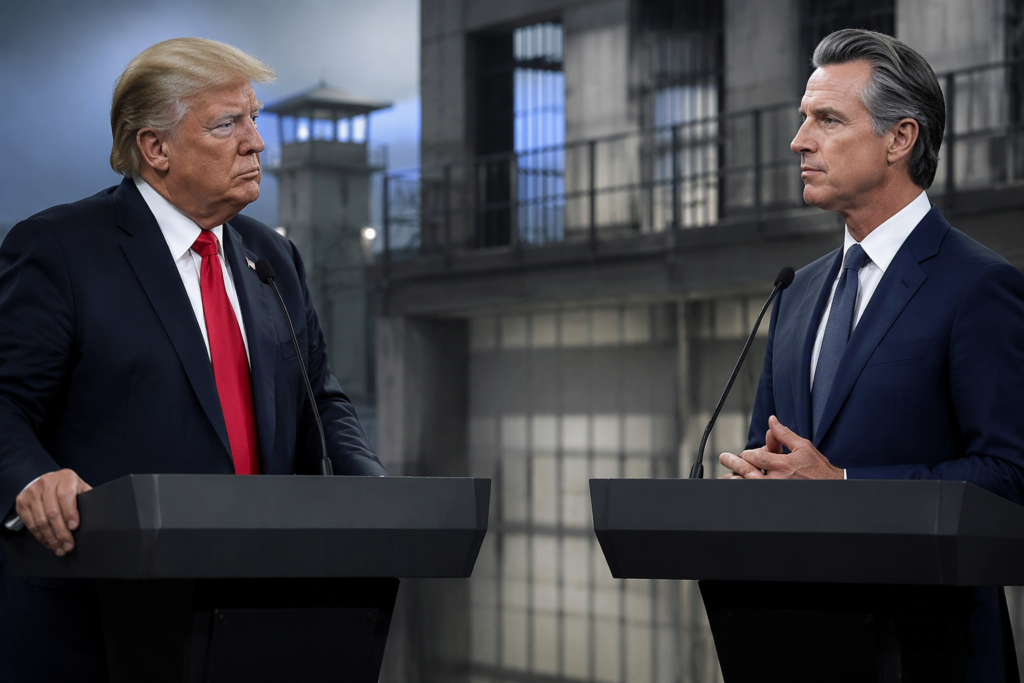
Fresh off a midterm sweep that handed them control of Congress, liberal lawmakers are preparing a massive budget push, and their quickest route to a deal might run straight through Donald Trump. The emerging Democratic spending agenda targets sweeping expansions for healthcare, direct payments to families and revived housing aid. Yet Democrats do not hold enough seats to override a veto, forcing them to find common ground with the Republican president.
Trump signaled an appetite for dealmaking on Election Night as the GOP losses piled up. Rather than bracing for gridlock, the White House has kept the door open to compromise on kitchen-table costs. Vice President JD Vance has similarly signaled that the administration wants to cut agreements that appeal to working-class voters.
Also read: Can Trump Deal With the New Democratic Congress?
For everyday Americans, this unlikely alignment could determine whether expiring healthcare relief gets saved or disappears. It also decides whether your tax bill shifts as Washington hunts for ways to pay its bills.
The Democratic Spending Agenda Takes Aim at Healthcare
Healthcare sits at the center of the opening legislative drive. House Minority Leader Hakeem Jeffries outlined the party’s priorities in a November 4 manifesto, demanding that lawmakers immediately reverse Medicaid cuts and restore Affordable Care Act subsidies. Those subsidies, which helped millions buy insurance through federal exchanges, expired after Republicans let enhanced assistance lapse.
Trump previously admitted that he would rather not extend the expanded tax credits, but he conceded that an extension might prove necessary. Both Trump and Vance have insisted that any deal must include tighter verification rules to weed out fraud. Conservative critics, however, want the White House to stand firm against the plan.
Michael Cannon, director of health policy studies at the Cato Institute, argued that the expired credits rewarded high-income households. He noted that the enhanced aid flowed to families making as much as $600,000 annually. In his view, government subsidies fuel runaway medical prices rather than solving the root problem.
The price tag remains steep. Extending the enhanced tax credits permanently would add roughly $350 billion to deficits between 2026 and 2035, according to the Congressional Budget Office. The CBO projects that policy would help 3.8 million additional people obtain coverage by 2035.
A Trillion-Dollar Fiscal Headwind
Any budget fight will collide with a dire balance sheet. The federal deficit reached nearly $2 trillion in fiscal 2026, while the Social Security retirement trust fund barrels toward depletion. Simply paying interest on the national debt cost the Treasury more than $1 trillion over the past fiscal year.
Those numbers leave little room for error. Cannon warned that prolonged overspending risks triggering a bond market revolt, which could dry up credit and force drastic austerity. Still, Democratic leaders insist that borrowing fears should not derail relief for struggling families.
The fight over Medicaid cuts will prove even fiercer. The previous Republican majority passed the One Big Beautiful Bill Act, trimming $1.2 trillion from federal Medicaid spending through 2035. That law is projected to reduce program enrollment by roughly 13 million people from its current total of 65.7 million. Trump burnt extensive political capital to pass that package, making a full repeal difficult to imagine.
Progressives Push Far Beyond Basic Relief
While party leaders focus on safety-net programs, the progressive wing wants a much wider Democratic spending agenda. Representatives Alexandria Ocasio-Cortez and Terri Sewell are pushing to add dental, vision and hearing coverage to Medicare. They also want federal funds dedicated to erasing medical debt and restoring budgets at the National Institutes of Health.
Illinois Governor JB Pritzker released a list of roughly 200 policy proposals after Election Night. His blueprint calls for rebuilding staff at the Departments of Education and Health and Human Services, funding major public works and pouring money into housing vouchers. Meanwhile, Senator Bernie Sanders wants a $12,000 direct payment for every working-class family of four, free college tuition, universal childcare and a $2,400 annual increase to Social Security checks.
Deficit hawks warn that such proposals would shatter the federal budget. Rachel Greszler, a senior fellow at the conservative think tank Advancing American Freedom, calculated that Sanders’ broader platform would require tens of trillions of dollars over a single decade.
The Surprising Common Ground on Taxes
To offset their wish list, Democrats are targeting corporate profits and personal wealth. Senator Ron Wyden has proposed taxing the unrealized capital gains of billionaires, while other lawmakers want levies on high-power data centers. The real surprise is that the White House may not completely shut down talks on taxes on high earners.
Trump previously acknowledged he would consider asking the wealthy to pay more if the revenue directly helped middle-income workers. Vance also floated support during 2025 White House policy debates for higher tax brackets on individuals earning more than $1 million. White House spokeswoman Olivia Wales made clear that the administration expects Democrats to meet them halfway:
President Trump will continue to enact his commonsense, America First agenda that has delivered the most secure border ever, the largest working-class tax cut in history, the lowest murder rate since 1900, the sharpest drop in prescription drug prices in more than 60 years and a stock market that has hit record-highs.
Wales stressed that Trump will work with anyone seeking to lower costs for families, but warned against left-wing overreach. With committee assignments taking shape and the new Congress set to convene in early January, both sides will soon face their first deadline to turn rhetoric into actual legislation.
Source: Fox News