
Israeli Opposition Accuses Netanyahu of Bid to Delegitimise Election
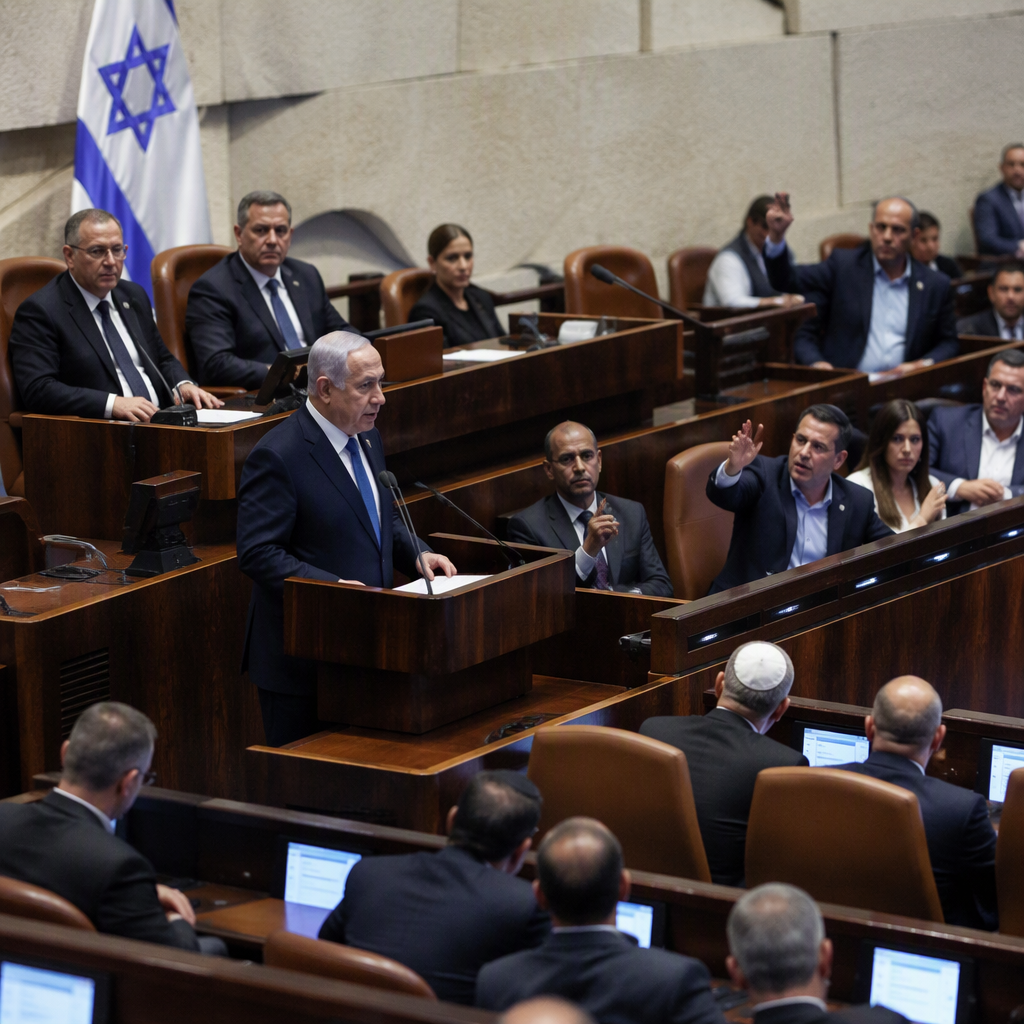
Leaders of the Israeli opposition have launched a scathing critique against Prime Minister Benjamin Netanyahu, accusing him of an orchestrated campaign to delegitimise election proceedings ahead of upcoming political contests. Opposition figures warn that unsubstantiated claims regarding voting irregularities threaten to erode public trust in the country’s foundational democratic institutions.
The accusations follow remarks by Netanyahu and his Likud party allies that raised questions about the oversight of ballot counting and the neutrality of election management bodies. Political rivals argue that these statements are a calculated effort to lay the groundwork for rejecting unfavorable political outcomes.
Also read: Why Arab Parties in Israeli Election May Not Act as Kingmakers
Opposition Condemns Tactics to Delegitimise Election
Prominent opposition lawmakers, including former Prime Minister Yair Lapid and National Unity leader Benny Gantz, condemned the prime minister’s rhetoric as dangerous and unprecedented. They argued that casting doubt on democratic processes undermines national cohesion during an already volatile period.
Lapid warned that questioning electoral legitimacy is part of a broader strategy aimed at weakening institutional checks and balances. “When a leader tells voters that the system is rigged, he is attacking the core of our democracy,” Lapid said in a public address. “This deliberate push to delegitimise election procedures damages the state far more than any political defeat.”
Civil society organizations and legal watchdogs have echoed these concerns, cautioning that inflammatory rhetoric could incite unrest and suppress voter turnout across diverse demographic sectors.
Disputes Over Election Integrity and Oversight
The controversy centers on recurring allegations raised by Netanyahu’s political camp regarding the Central Elections Committee (CEC) and voting procedures in specific precincts. Likud representatives have repeatedly demanded expanded oversight, alleging potential vulnerabilities in digital tabulations and manual ballot transport.
In past election cycles, Likud activists attempted to deploy digital surveillance cameras at polling stations, prompting legal challenges and rulings by election authorities that barred unauthorized recording. Critics argue that resurrecting these grievances serves as a political mechanism to energize partisan support and sow preemptive doubt.
The Response from Likud and Allies
Netanyahu and senior figures in his coalition reject the accusation that they seek to undermine the electoral framework. Coalition spokespeople maintain that raising concerns about transparency is a fundamental civic duty rather than an attack on democracy.
A spokesperson for Likud stated that ensuring accurate ballot counting protects voter sovereignty. Supporters contend that strict auditing and questioning bureaucratic procedures strengthen democratic legitimacy rather than weaken it.
Institutional Pressure on the Central Elections Committee
The Central Elections Committee, chaired by a Supreme Court justice and composed of representatives from parliamentary factions, has repeatedly reaffirmed the robustness of Israel’s balloting infrastructure. Senior judicial officials have urged political leaders to exercise restraint and avoid disparaging civil servants who administer the polls.
Political analysts note that attacks on electoral integrity mirror international political strategies where candidates preemptively claim institutional bias. Such rhetoric places public servants and judicial officials under intense scrutiny, complicating the logistical administration of national votes.
What Happens Next
As political campaigns intensify, oversight bodies are expected to reinforce protocol safeguards to maintain public confidence:
- Legal Petitions: Watchdog groups plan to submit petitions to the Supreme Court seeking strict limits on unsubstantiated accusations by political figures against the election committee.
- Enhanced Transparency Measures: The Central Elections Committee is reviewing protocols to provide faster public access to certified precinct-level tally sheets.
- Parliamentary Scrutiny: Opposition factions intend to demand emergency hearings in the Knesset to address government rhetoric surrounding election administration.
Conclusion
The escalating dispute highlights deep-seated polarization within Israeli society and government. While coalition figures defend their skepticism as an effort to ensure transparency, opposition leaders maintain that any bid to delegitimise election results inflicts lasting damage on democratic governance. How national institutions withstand this political pressure will serve as a crucial test of stability in the months ahead.