
New Hampshire Reporter Denied Entry to Kamala Harris Event Sparking Press Access Debate
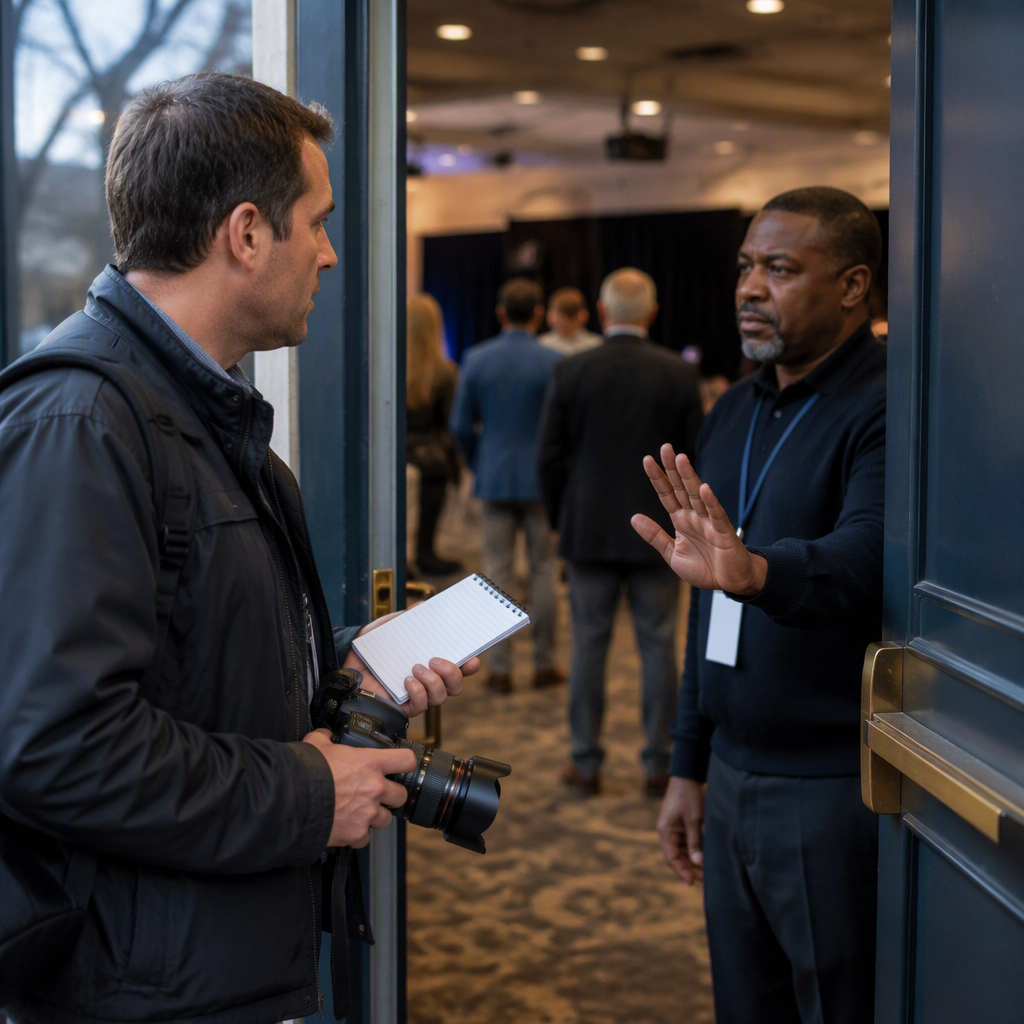
A New Hampshire journalist reported that he was barred from covering a campaign stop featuring Vice President Kamala Harris, sparking renewed discussions over media access and credentialing standards on the presidential campaign trail. The incident occurred as Harris visited the Granite State to outline economic policy proposals and rally local supporters ahead of the general election.
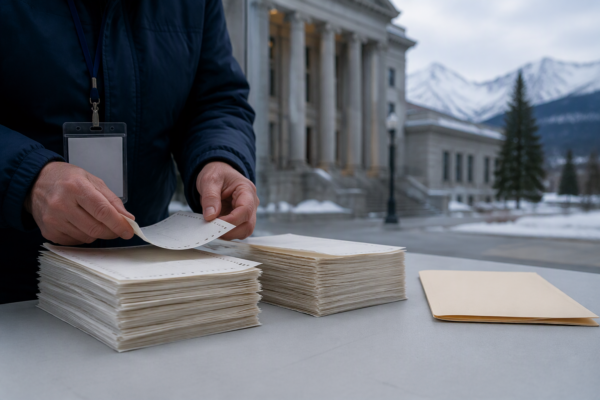
According to the local news organization, the reporter had submitted credential requests in advance through the official channels provided by the campaign. However, upon arriving at the venue, security personnel and campaign aides informed the journalist that he would not be permitted inside the event space.
Also read: Mamdani’s Midterm Message to Voters Stirs Debate on ID Laws and ICE
Details Surrounding the Incident in North Hampton
The controversy unfolded at Throwback Brewery in North Hampton, New Hampshire, where Harris was scheduled to deliver remarks focused on small businesses and the regional economy. Damien Fisher, a reporter with the conservative-leaning outlet NH Journal, arrived to cover the speech as part of the traveling and local press corps.
Fisher stated that despite following standard press protocol and receiving initial logistical guidance, campaign staff stopped him at the security checkpoint. Campaign representatives reportedly cited venue capacity limits and specific pool arrangements as the reason for the decision, stating that space inside the private venue was strictly constrained.
Fisher and editors at NH Journal disputed the explanation, maintaining that credentials had been requested well before the deadline and that other members of regional and national media outlets were granted entry without incident.
Campaign Credentialing and Media Access Guidelines
Media credentialing for high-profile political events typically involves coordination between campaign press offices, local venue administrators, and the United States Secret Service. While the Secret Service oversees security screening and background checks, the political campaign determines final media approval and access tiers.
Campaign officials often note that smaller, intimate venues require hard limits on the number of non-traveling pool reporters allowed inside. When spaces reach capacity, priority is traditionally given to established pool services that share print, audio, and video feeds with broader news organizations.
Critics, however, argue that selective credentialing can limit ideological diversity in campaign coverage. Media rights advocates emphasize that transparency is vital during national elections, particularly in traditional primary states like New Hampshire where independent and local reporting plays a pivotal role in informing voters.
Press Freedom Concerns and Political Reactions
The decision prompted immediate reactions from local political figures and media observers across New Hampshire. State Republican leaders criticized the campaign, arguing that excluding a working journalist undermines public trust and transparent political discourse.
Press freedom advocates regularly caution campaigns from all parties against restricting access based on editorial viewpoints or perceived leanings. Standards set forth by organizations such as the Radio Television Digital News Association (RTDNA) and the Society of Professional Journalists (SPJ) encourage open media availability regardless of an outlet’s political profile.
Neither the campaign nor the Secret Service indicated that safety concerns played a role in the decision, centering the dispute entirely on logistical and administrative determinations.
What Happens Next
As the campaign season enters its final stretch, access rules for both major party candidates remain under close scrutiny. Press organizations are continuing to monitor credentialing procedures at upcoming rallies and town halls across key battleground states.
Editorial boards and regional press associations in New England have called on campaign organizers to clarify logistical policies to ensure equitable access at future appearances. For now, the report of a local reporter denied entry to Kamala Harris event highlights the ongoing friction between campaign management, capacity constraints, and the press corps’ duty to cover public figures on the trail.