
Trade dynamics between Islamabad and New Delhi are witnessing a quiet shift as Pakistan imports from India show signs of renewed growth. Despite lingering diplomatic disputes and formal trade restrictions imposed over recent years, commercial flows between the two South Asian neighbors continue to expand under the weight of economic realities.
Key Drivers Behind Growing Pakistan Imports from India
The primary factor supporting the rebound in trade is domestic necessity. Pakistani industries face rising production costs and persistent supply chain bottlenecks, making access to cost-effective raw materials vital. Procuring goods from India, given its geographic proximity, offers substantial savings on freight and transit times compared to sourcing from distant markets in Europe, North America, or East Asia.
Also read: Firms Tied to West Bank Settlements Win $15M in UK Deals Despite Sanctions
Essential commodities, particularly life-saving pharmaceutical ingredients and agricultural products, form a core component of this commerce. While bilateral trade was severely curtailed following political fallout in 2019, both nations carved out limited exemptions for vital medical goods to prevent domestic shortages.
Indirect Trade and the Role of Third-Party Hubs
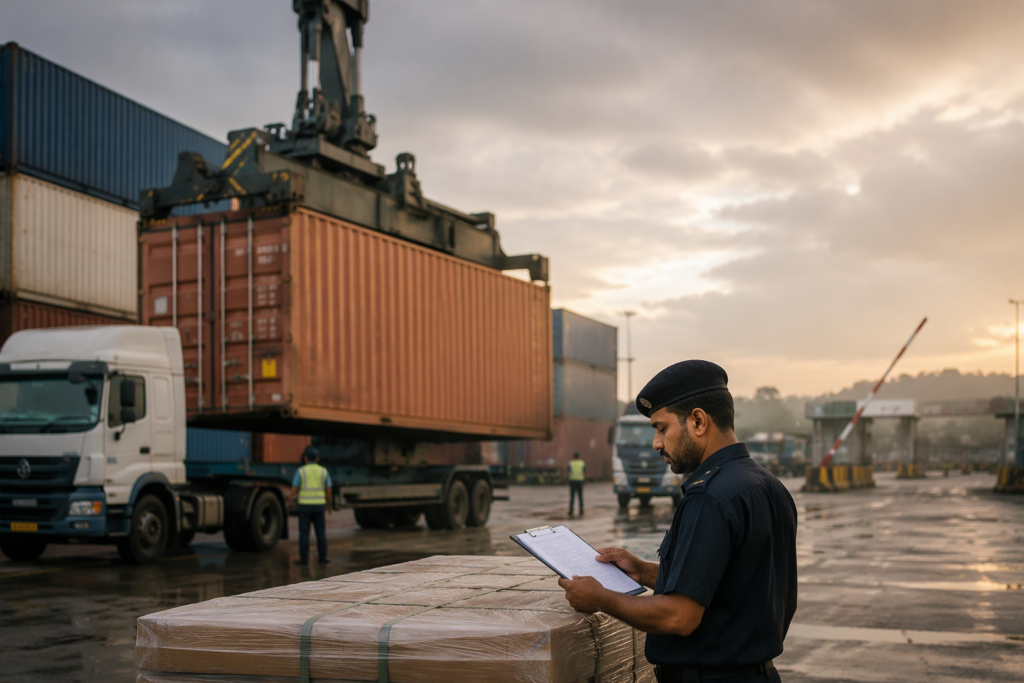
A substantial portion of commercial activity continues beyond direct border posts. Businesses frequently route shipments through intermediary transit hubs such as the United Arab Emirates and Singapore. While this transshipment model adds intermediate handling fees, it enables businesses in Pakistan to acquire essential Indian manufactured components, chemicals, and consumer supplies without breaching formal border restrictions.
Trade analysts note that this indirect commerce reflects deep-seated commercial interdependence that political impasses have failed to fully sever. Informal and third-party channels have effectively cushioned the impact of official bans, creating a resilient network for cross-border demand.
Economic Pressures Accelerate Practical Adjustments
Pakistan continues to navigate economic hurdles, including currency volatility, high inflation, and strained foreign exchange reserves. Under these constraints, local importers and manufacturers face urgent pressure to optimize purchasing budgets. Sourcing lower-cost inputs from across the eastern border offers immediate operational relief for several manufacturing sectors.
While formal diplomatic relations remain cool, business communities on both sides have consistently advocated for pragmatic commercial policies. Industry leaders point out that cheaper inputs can bolster local industrial competitiveness and help curb domestic price hikes.
Outlook for Cross-Border Commercial Relations
The upward trend in trade flows underscores the enduring pull of regional commerce despite geopolitical hostility. While a comprehensive normalization of bilateral trade remains unlikely without formal diplomatic dialogue, market demand continues to forge pathways for goods to cross borders. In the absence of direct policy breakthroughs, economic necessity and indirect supply corridors are poised to keep trade flowing between the two neighbors.
Source: Al Jazeera