
The Eerie Landscapes of England’s Witch Country and Their Dark History
Across the wind-scoured ridges of Lancashire and the fog-laden marshes of East Anglia, the quiet terrain of rural Britain conceals some of the darkest chapters of early modern history. Known collectively as England’s witch country, these atmospheric regions draw thousands of historians, hikers, and heritage travelers each year to explore the physical settings where seventeenth-century superstition, social upheaval, and legal violence converged.
Today, areas such as Pendle Hill in Lancashire and the tidal creeks of Essex stand as poignant open-air memorials. While their panoramic beauty is undeniable, the lingering folklore and preserved court records remind visitors of the human cost behind England’s historic witch trials.
Also read: The Five Meals Andrew Zimmern Will Never Forget
Walking Through England’s Witch Country: Pendle Hill and Beyond
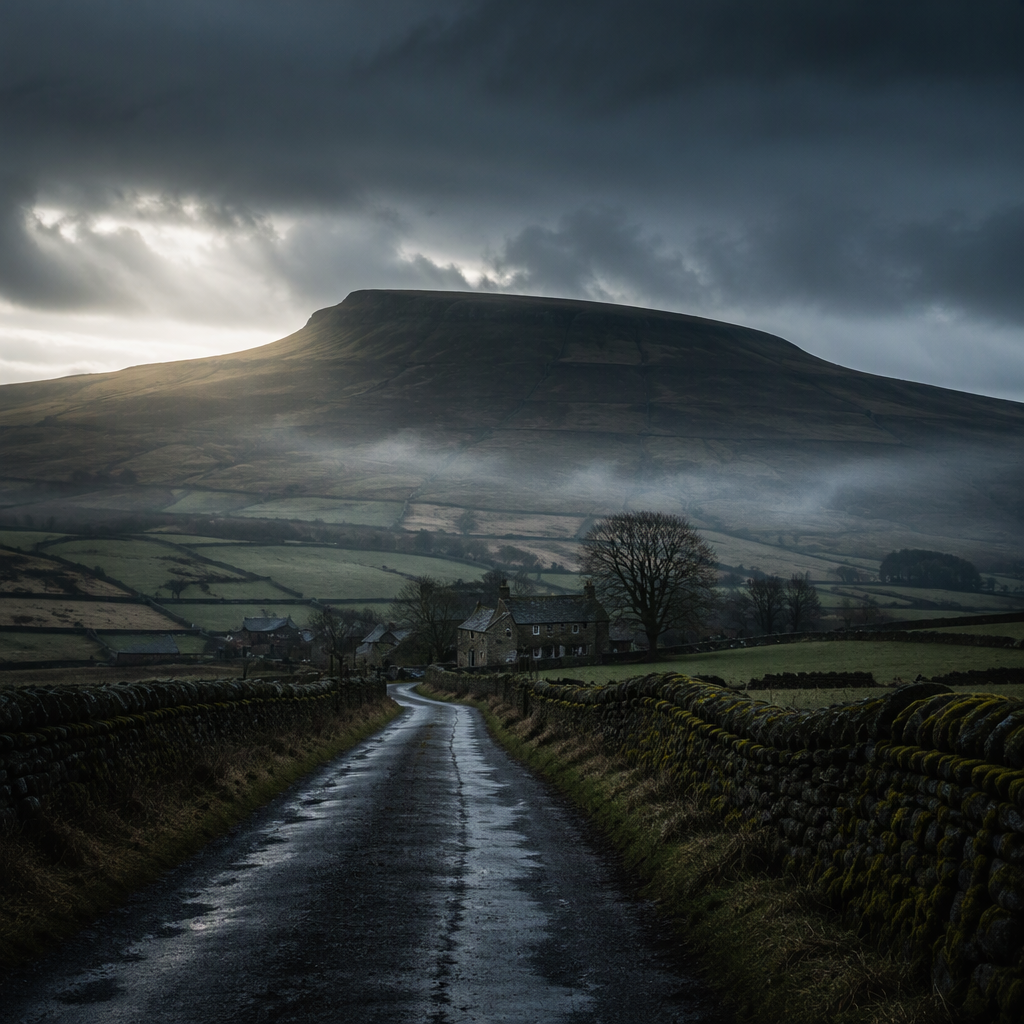
The most famous focal point of England’s witch country is Pendle Hill, an imposing isolated landform rising above the Forest of Pendle in eastern Lancashire. In 1612, this brooding landscape became the backdrop for the Pendle witch trials, one of the most thoroughly documented legal proceedings of its kind in English history.
Twelve individuals from the surrounding hamlets—predominantly impoverished women, including Elizabeth Southerns (“Old Demdike”) and Anne Whittle (“Chattox”)—were accused of practicing harmful magic and causing deaths through witchcraft. Following a trial held at Lancaster Castle, ten were convicted and executed by hanging on the moors outside the city walls.
The geography of Pendle remains largely untouched by heavy modern development. Narrow lanes weave past drystone walls, stone cottages, and peat bogs that often vanish beneath dense moorland fog. Local walking paths, including the 45-mile Pendle Witch Trail, trace the path the accused traveled toward imprisonment, offering visitors both scenic isolation and historical reflection.
The Saltmarshes and Shadowy Creeks of East Anglia
While Lancashire’s rugged hills offer a dramatic upland setting, the coastal lowlands of Essex and Suffolk provide an equally haunting environment. In the mid-1640s, against the turbulent backdrop of the English Civil War, self-styled “Witchfinder General” Matthew Hopkins launched a reign of terror through East Anglian villages.
Towns such as Manningtree, Mistley, and St Osyth sit beside brackish waters and vast estuarine marshes. In Hopkins’ era, these isolated waterfront communities fostered deep religious anxieties and neighborly disputes. Scores of vulnerable women were rounded up, interrogated, and held in freezing stone lockups, such as the surviving “Cage” in St Osyth.
The geography of the Essex coast continues to evoke this era. Mudflats stretching into gray horizons and calls of wading birds underscore the seclusion that allowed localized panics to escalate unchecked into state-sanctioned executions.
Cornwall and the Atlantic Fringe
Further west, the wild Atlantic coastline of Cornwall holds its own distinct association with English folk magic and cunning craft. Unlike East Anglia’s harsh persecutions, Cornish folklore was deeply intertwined with practical healing, weather charming, and sea protection.
The village of Boscastle, situated in a steep ravine carved by the Valency River, is home to the Museum of Witchcraft and Magic. Founded in the mid-twentieth century, the museum preserves Britain’s largest collection of ritual objects, talismans, and trial documentation, cementing the region’s place in the broader cultural map of English folk belief.
Balancing Heritage Tourism and Historical Respect
The rising popularity of dark tourism has brought economic vitality to small rural towns, but it also presents preservation challenges. Municipal councils and historical trusts actively work to present these locations with dignity rather than sensationalism.
In Lancashire, modern initiatives emphasize education and remembrance over novelty souvenirs. Commemorative markers, interpretive plaques, and guided cultural tours aim to reframe the victims as real people who fell victim to poverty, religious zeal, and legal injustice.
“The landscape played an active role in how communities perceived vulnerability and isolation,” notes regional heritage specialists. “When you stand on Pendle Hill or look across the Stour estuary at dusk, you begin to understand the psychological weight of these spaces four centuries ago.”
What Happens Next for England’s Witch Country Trails
Local authorities across Lancashire and Essex are currently expanding sustainable tourism routes to protect delicate rural habitats while accommodating growing visitor numbers. Planned trail upgrades feature low-impact waymarkers, digital educational guides, and ecological protections for vulnerable moorland peat and saltmarsh ecosystems.
As academic research sheds new light on the socio-economic conditions of early modern England, the eerie landscapes of England’s witch country remain vital educational resources, inviting travelers to confront uncomfortable historical truths amid breathtaking natural beauty.