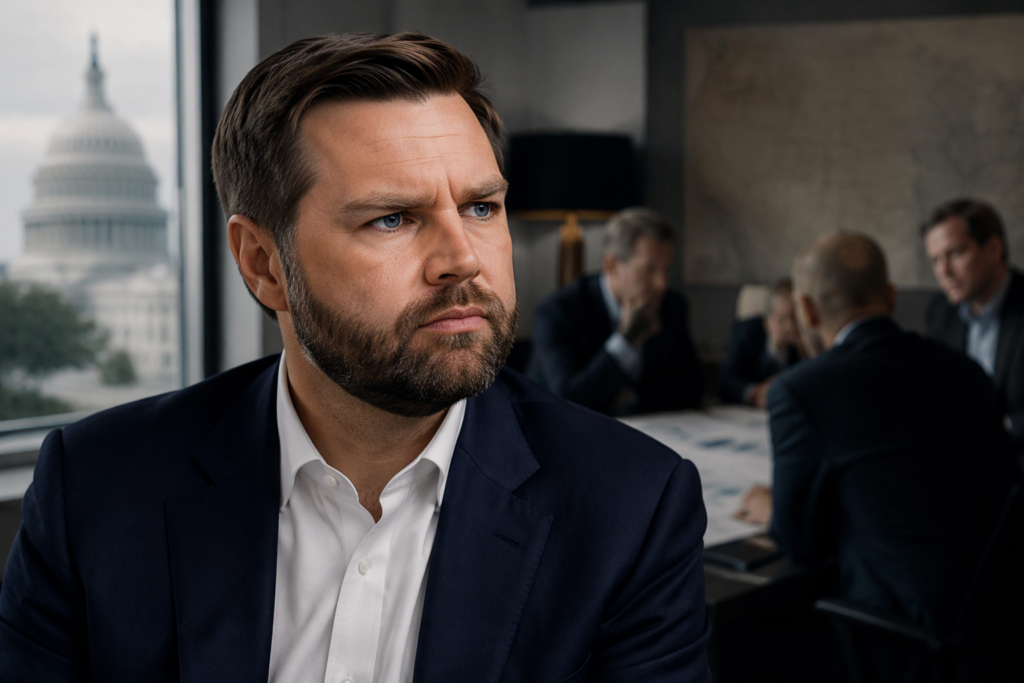

The Republican Party has entered a critical period of strategic soul-searching following significant setbacks in the US midterm elections, with high-profile leaders assessing their long-term trajectories. Among them, prominent figures are already looking toward the next national cycle, as Vance eyes 2028 reset efforts designed to recalibrate conservative messaging and broaden the party’s general election appeal.
The disappointing midterm results have ignited an intense internal debate across the GOP. Lawmakers, campaign operatives, and party strategists are openly questioning whether current ideological positions and outreach strategies remain viable for future presidential contests.
Also read: Political Show ‘Ruthless’ Breaks Down Republican Midterm Losses
Fallout From a Difficult Midterm Showing
The midterm election losses dealt a serious blow to Republican expectations, blunting momentum and exposing persistent vulnerabilities among key voting demographics. Suburban voters, independents, and moderate constituencies once again proved decisive in rejecting hardline messaging.
In the wake of the drubbing, party leaders are confronting the reality that mobilizing the core base alone cannot guarantee legislative majorities or nationwide victories. The outcome has prompted widespread calls for an organizational and tactical overhaul across state and national party committees.
Why Vance Eyes 2028 Reset for Conservative Leadership
As the party digests the midterm consequences, attention has swiftly shifted to the 2028 presidential landscape. Observers note that as Vance eyes 2028 reset opportunities, his political operation faces the delicate challenge of maintaining support among populist conservatives while presenting a message capable of winning competitive battleground states.
Reassessing political posture early offers potential candidates space to test fresh economic arguments and distance themselves from polarizing campaign narratives that alienated swing voters. A strategic reset could also involve spotlighting kitchen-table economic policies, domestic manufacturing, and working-class advocacy over divisive cultural grievances.
Party Factions Weigh Competing Paths
The conversation surrounding a GOP pivot exposes deep ideological divisions within the Republican tent:
Traditional establishment conservatives argue that the party must return to fiscal restraint, institutional stability, and broad-based coalition building to regain lost ground in suburban districts.
Conversely, populist figures argue that the party’s future still depends on working-class appeal, claiming the midterm losses stemmed from inconsistent execution rather than an inherently flawed platform.
Debating the Path Forward to 2028
Navigating these factional pressures will test any leader aiming for national office in 2028. A successful recalibration requires uniting divergent wings of the coalition without triggering intra-party revolts among primary voters.
For Republicans seeking to mount viable presidential bids, the post-midterm environment demands both structural accountability and forward-looking vision. How effectively key figures adapt in the coming months will likely determine the party’s readiness to recapture national leadership in the next election cycle.
Source: Al Jazeera