
More than $12bn collected from sales of natural resources in Caracas moved through American government accounts over nine months this year, yet the public still cannot see who ultimately received the bulk of the cash. The State Department revealed those figures on Thursday in a 53-page accounting of Venezuelan oil revenue handled by Washington since American forces captured Nicolas Maduro.
The disclosures show how directly the White House took charge of Venezuela’s financial lifelines after removing its leader. Instead of cutting off the resource trade, Washington assumed control over who buys the commodities and where the proceeds flow, turning natural resource exports into a managed financial pipeline.
Also read: Russian Warship Hit in Gulf of Finland Drone Strike
For ordinary citizens in Venezuela and taxpayers in the United States, the report provides the first detailed ledger of a wartime economic experiment. Between January 3, 2026, and September 30, 2026, American-run accounts collected $12.26bn from vetted buyers, leaving just $169m unspent by early autumn.
Where the $12bn in Venezuelan oil revenue went
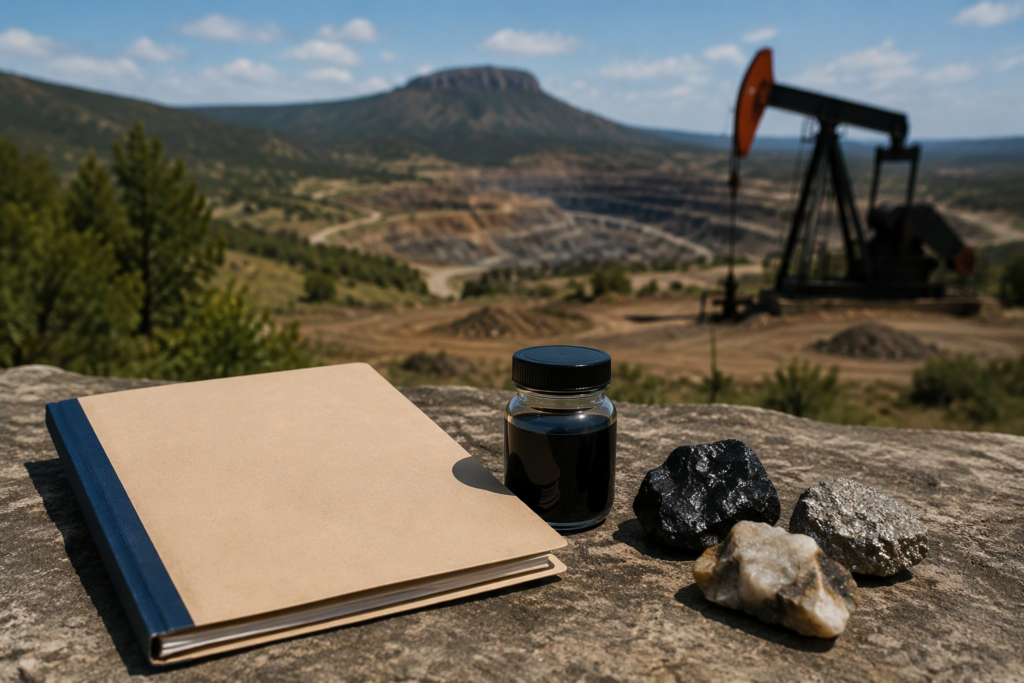
Crude oil and refined petroleum accounted for roughly 99 percent of the total money brought in, though deposits also came from exports of gold, other minerals, and agricultural fertilisers. Washington contracted the private accounting firm KPMG to audit the ledger, which tracked money flowing into offshore and domestic accounts before heading back southward.
According to the State Department report, the primary purpose of the outflows was stabilizing the Venezuelan currency. American officials wired the funds to a select group of Venezuelan banks to stage foreign exchange interventions. Those institutions sold American dollars on local markets to soak up excess bolivars and arrest runaway inflation.
Yet the ledger stops short of full disclosure. The published pages show that about $9.4bn went to corporate entities while another $2.9bn went directly to individuals, but black ink conceals almost every name.
How Qatar and the Treasury routed the cash
The paper trail reveals a fast-moving setup assembled immediately after the January raid in Caracas. American forces seized Nicolas Maduro and his wife, flying them to New York City to face federal charges of drug trafficking and torture. Days later, President Donald Trump signed an executive order authorizing dedicated holding vaults for resource sales.
Washington initially opened an account with Qatar National Bank in January to receive international payments from vetted buyers. About $500m landed in Doha before managers disbursed nearly all of it back to authorized entities by the end of that month.
Federal officials then shifted the entire operation to a dedicated Treasury-controlled account in the United States. That domestic account handled the remaining billions, acting as the exclusive funnel through which roughly 20 approved commercial depositors purchased petroleum products.
Unnamed buyers and redacted bank recipients
Secrecy shrouds both ends of the transaction pipeline. The report blacks out the names of all 20 depositors who paid into the Treasury-controlled account, leaving buyers unidentified.
The redactions run equally deep on the receiving end. While the text specifies that commercial lenders in Caracas used the dollars for currency stabilization, it does not name the institutions or document which firms and citizens purchased the discounted greenbacks. Rights advocates argue that without public recipient lists, there is no way to verify whether the funds reached the broader public or enriched political insiders.
Maduro’s former vice president, Delcy Rodriguez, took power following his capture and negotiated the resource agreements that gave Washington a direct stake in export profits. Those pacts cleared the way for continued pumping and international shipping, but they left decision-making over Venezuelan oil revenue split between Caracas and Washington.
Oil cash versus democratic promises in Caracas
The money quickly became political fuel in Washington. Trump repeatedly cited the incoming energy profits on the campaign trail during the run-up to this month’s midterm elections, pointing to the deposits as proof of an aggressive foreign policy paying financial dividends.
Venezuelan rights monitors see a different danger. Activists inside the country warn that fixing attention on crude exports risks sidelining the political changes promised when American troops ousted the previous government. If managing resource revenue takes precedence over building accountable institutions, democratic reforms could stall.
Federal prosecutors in New York continue to prepare their criminal case against Maduro, while government auditors review the final quarter of resource disbursements to determine how much money remains in Treasury hands heading into next year.
Source: Al Jazeera