
Asra Nomani and Muslim Reformers Reject Warning That ‘Fire Will Rise’ if Democrats Lose
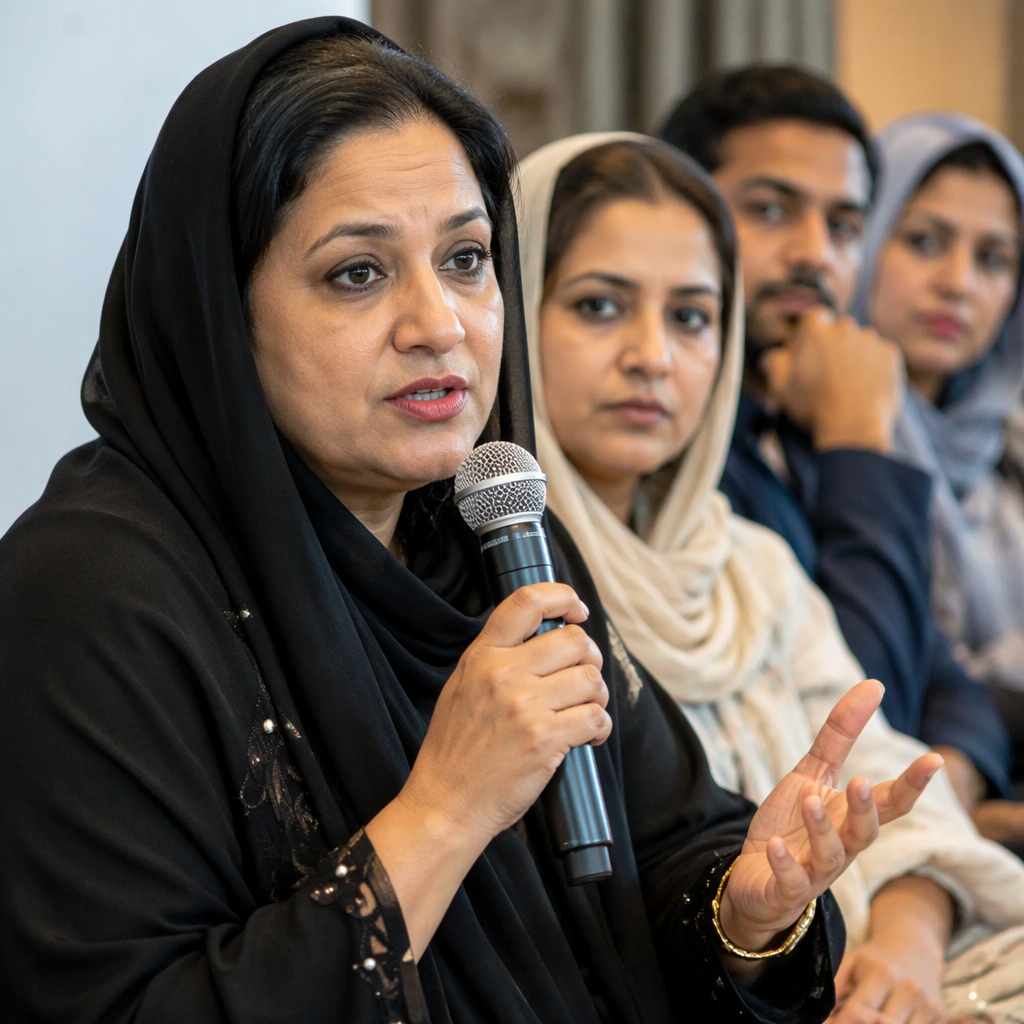
Journalist and activist Asra Nomani, alongside fellow Muslim reformers, has pushed back against warnings from partisan commentators and advocacy groups claiming that a “fire will rise” across the nation if Democratic candidates lose key elections. Nomani argued that such rhetoric seeks to intimidate voters and stifle growing political diversity among American Muslims.
The controversy emerged amid intense national debates over foreign policy, civil liberties, and cultural issues, where traditional voting blocs have shown signs of realigning. Nomani, a former Wall Street Journal reporter and co-founder of the Muslim Reform Movement, criticized efforts to portray minority communities as monoliths bound to a single political party.
Also read: Asra Nomani Report Highlights Far-Left Push in Fight to Ban Restaurant Delicacy
Asra Nomani Challenges Partisan Fear-Mongering in Muslim Communities
Speaking out against alarmist political messaging, Nomani stressed that American Muslims hold diverse viewpoints across the political spectrum. She rejected warnings that suggest societal collapse, widespread civil unrest, or unchecked bigotry will automatically follow if Democrats are defeated at the ballot box.
“The claim that ‘the fire will rise’ if one party loses is an attempt to enforce ideological conformity through fear,” Nomani noted in public commentary. She argued that independent-minded voters refuse to be treated as an automatic voting bloc whose loyalty is taken for granted.
Nomani highlighted that reformers within the Muslim community have spent decades advocating for individual liberty, democratic engagement, and critical thinking. From her perspective, apocalyptic warnings undermine democratic participation by replacing substantive policy debate with political coercion.
Shifting Political Currents Among American Muslim Voters
For decades, Muslim voters in the United States leaned predominantly toward Democratic candidates, particularly after the post-9/11 era. However, recent polling and election outcomes reveal significant shifts, particularly in battleground states like Michigan, Pennsylvania, and Virginia.
Key factors driving this diversification include:
- Foreign Policy Fractures: Sharp disagreements over international conflicts, including the administration’s stance on the Middle East, have fractured traditional coalitions.
- Social and Education Concerns: Many conservative and moderate Muslim parents have aligned with independent or Republican candidates on local school board policies and parental rights.
- Economic Pressures: Inflation, entrepreneurship, and cost-of-living concerns have influenced working-class and small-business-owning families toward fiscal conservatism.
Reformers point to these developments as evidence that Muslim Americans are exercising full political agency rather than adhering to rigid partisan directives.
Muslim Reformers Defend Pluralism and Civic Independence
The Muslim Reform Movement and aligned activists have long advocated for secular governance, universal human rights, and religious pluralism. In political discussions, members of the reform coalition argue that true integration into American civic life requires embracing healthy disagreement.
Supporters of Nomani’s stance emphasize that fear-based appeals often stem from established political machines seeking to maintain control over demographic constituencies. By rejecting threats of imminent crisis or social retribution, reformers say they are defending voters’ rights to make decisions based on policy outcomes rather than party loyalty.
What Happens Next
As upcoming election cycles approach, both major parties are actively recalibrating their outreach to Arab American and Muslim communities. Observers anticipate closer competition for votes in critical suburban and swing districts.
Civic leaders and independent analysts expect voter turnout to reflect local concerns and varied foreign policy priorities rather than unified block voting. Community forums and grassroots organizing are increasingly highlighting third-party, Republican, and non-aligned alternatives.
Conclusion
The pushback led by Asra Nomani underscores an evolving landscape where traditional electoral assumptions no longer hold sway. By rejecting predictions of doom and assertions that civil conflict will erupt without partisan victories, Muslim reformers continue to champion intellectual freedom and genuine pluralism across the American political sphere.