
As global temperatures rise and extreme weather events intensify, research and humanitarian assessments increasingly reveal that the environmental crisis does not affect everyone equally. Understanding why climate change hits women harder has become a vital priority for scientists, policymakers, and advocates working to confront the planetary crisis while protecting vulnerable populations.
Understanding Why Climate Change Hits Women Harder
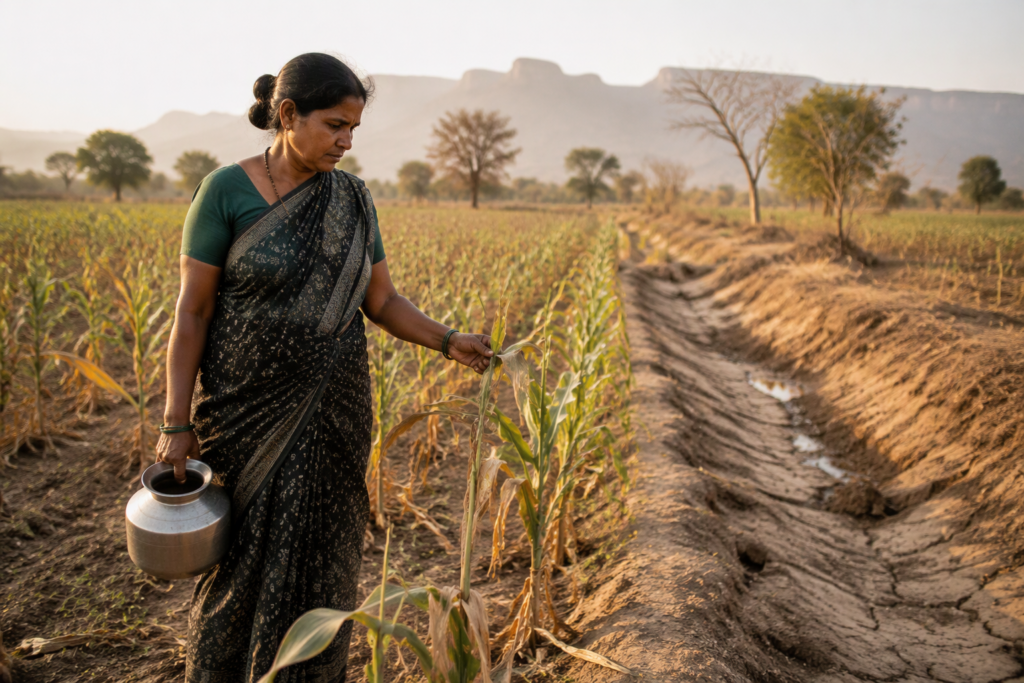
Across the globe, women often bear a disproportionate share of the burdens caused by environmental breakdown. In many developing regions, women make up a large portion of the agricultural workforce and depend heavily on local natural resources for daily survival. When droughts dry up crops or floods ruin harvests, female workers face severe economic loss alongside diminished food security.
Also read: VivaTech in Paris Showcases Emerging Inventions and European Tech Trends
Societal roles frequently place the responsibility of gathering water, food, and household fuel on women and girls. As climate patterns shift, these essential resources grow scarcer, forcing women to travel longer distances and spend more hours securing basic supplies. This reality reduces educational opportunities for young girls and limits women’s ability to participate in paid economic activities.
Compounding Economic and Social Inequalities
Structural inequalities further amplify the climate crisis for women. Unequal property rights, limited financial access, and exclusion from decision-making processes restrict women from adapting effectively to rapid ecological shifts.
Without secure land ownership or access to credit, female farmers often lack the resources needed to invest in climate-resilient seeds, irrigation technology, or crop insurance. Consequently, when natural disasters strike, women frequently have fewer financial safety nets to recover from property destruction and livelihood disruption.
Heightened Health and Displacement Risks
Extreme weather events also expose women to distinct health and physical safety challenges. Floods, heatwaves, and storms disrupt local healthcare services, directly affecting maternal and reproductive health. Pregnant and nursing mothers face elevated risks during climate emergencies due to limited access to clean water, proper nutrition, and medical assistance.
In post-disaster scenarios and temporary displacement camps, vulnerabilities escalate. Overcrowded shelters and damaged infrastructure often lead to increased rates of gender-based violence, leaving displaced women and children at greater risk of exploitation and physical harm.
Building a Sustainable and Equitable Future
Addressing these disparities requires intentional climate solutions that place gender equity at the core of environmental policy. Achieving lasting sustainability depends on ensuring women have equal access to economic resources, education, and disaster relief systems.
Empowering women as active climate leaders is essential to building community resilience. Local initiatives demonstrate that when women participate in environmental governance and resource management, conservation efforts improve and community adaptation plans become more effective.
A Path Toward Climate Justice
Climate change is not merely an environmental challenge; it is a profound social issue that magnifies existing vulnerabilities. Tackling the root causes of why the climate crisis impacts women more severely provides a pathway toward comprehensive climate resilience. Investing in gender-inclusive policies and empowering local leaders will be critical steps in building a fairer and more sustainable future for all.
Source: BBC