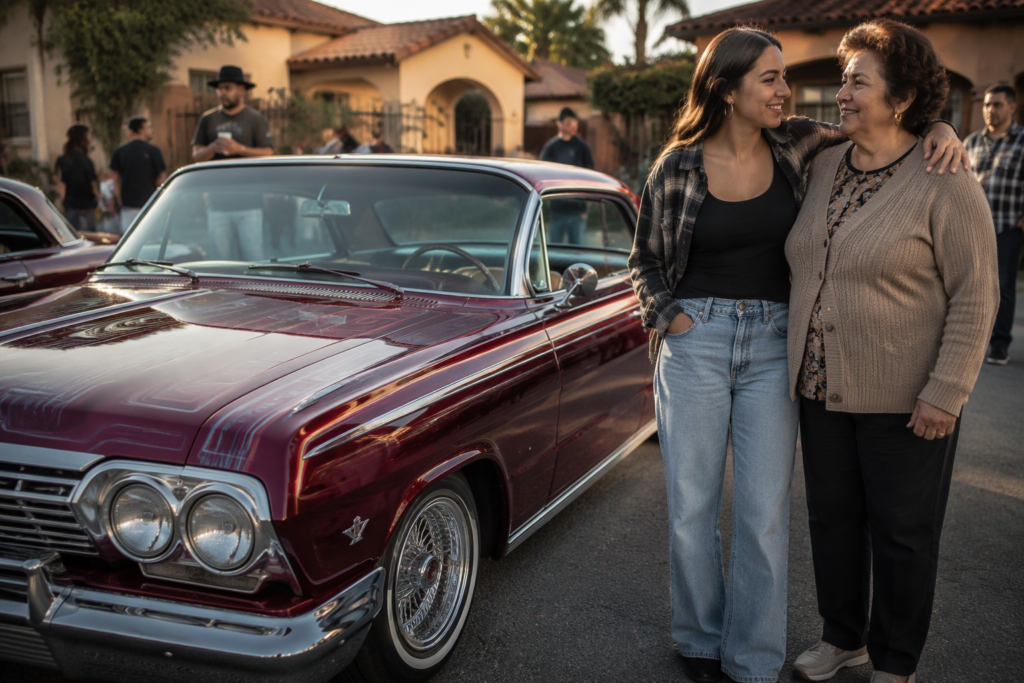
Hydraulic pumps, gleaming chrome, and tailored cruisers are rewriting a neighborhood narrative that outsiders long associated only with crime. Across city streets, Mexican lowriders are reclaiming Chicano culture and cholo traditions to push back against persistent gang stereotypes.
For decades, public perception stamped car clubs and cholo culture with the label of criminal syndicates. But members of the lowrider community argue that their passion centers on craftsmanship, family heritage, and cultural expression rather than illicit activity.
Also read: American Culture Quiz Tests Fast-Food Battles and Oklahoma
By bringing their cars into open daylight, these drivers are forcing passersby to separate artistic heritage from criminal folklore.
How Mexican lowriders reshape street culture
Customized classic cars have rolled along the Mexico-United States borderlands for generations, crossing geographic lines and settling deep into urban centers like Mexico City. The scene embraces detailed airbrushed murals, polished spoke wheels, and distinct clothing that honor historical Mexican-American roots.
Yet mainstream society often treated anyone wearing oversized flannels or driving lowered sedans with suspicion. The modern movement directly confronts that bias. Participants gather in public plazas and city avenues to prove that Mexican lowriders represent artistry, turning what was once feared into an open display of solidarity.
What to watch as club cruisers roll out
The ongoing effort relies on visible, family-friendly events where youth and older veterans share mechanical traditions. By keeping their hoods open and hydraulics dancing in neighborhood parks, enthusiasts show that dedication to custom car culture builds community instead of breaking it.
Local clubs will stage their next seasonal cruises across metropolitan centers this spring, testing whether greater visibility can permanently dismantle old gang stereotypes.
Source: Mexico News Daily